
Kadomatsu
In its own language: 門松
Paired bamboo and pine displays for the Japanese New Year
Kadomatsu are traditional Japanese New Year decorations set outside homes and buildings. Made from bamboo, pine, and sometimes plum branches, they are placed in pairs to invite spirits and good fortune for the coming year.
- Kadomatsu are placed in pairs at entrances for the Japanese New Year.
- They are made from bamboo, pine, and sometimes plum branches.
- After the holiday, kadomatsu are burned to honor and release the spirits.
- The decoration welcomes deities believed to bring good fortune.
- Kadomatsu is recognized as an emoji symbol.
What is Kadomatsu?
Kadomatsu are upright arrangements set at entrances for the New Year in Japan. Each display typically features three cut bamboo stalks of varying heights, surrounded by pine branches and sometimes sprigs of plum. The arrangement is tied together and placed in pairs, one on each side of a gate or doorway. The green of the pine and bamboo stands out against winter landscapes, marking the start of the year with natural elements.
Where does Kadomatsu come from?
Kadomatsu have long been part of Japanese New Year traditions, serving as a symbolic welcome for ancestral spirits and deities of the harvest. The practice began with pine, but over time, bamboo became a central feature. Each element—bamboo, pine, and plum—carries meaning: resilience, longevity, and renewal. Placing them in pairs at entrances is thought to invite blessings and ensure a prosperous year.
How Kadomatsu is made
To make kadomatsu, three bamboo stalks are cut at different heights and grouped upright. Pine branches are added around the bamboo, and sometimes plum sprigs are included. The arrangement is bound tightly with straw rope and set on a straw mat. These are positioned in pairs at the entrance, one on each side, and are displayed from late December into early January.


When and where Kadomatsu is used
Kadomatsu are set out after Christmas and remain in place until January 7 or 15, depending on local custom. They serve as temporary homes for spirits who bring good fortune and a fruitful harvest. Once the period ends, the decorations are burned in a ritual to respectfully release the spirits. Kadomatsu are a visible sign of the New Year and are used by families and businesses alike.
Forms of Kadomatsu
Regional differences influence the style and materials of kadomatsu. Some areas use more elaborate designs or add extra elements, while others keep to the basic bamboo and pine. The arrangement and height of the bamboo can also vary, but the paired placement remains a constant feature.
What Kadomatsu means
Kadomatsu are closely tied to Shinto beliefs, acting as a bridge between the human world and the spirits. They symbolize strength, endurance, and hope for renewal. The decoration is so well known in Japan that it is represented as an emoji. Kadomatsu are part of a group of traditional objects that mark the changing year and express wishes for health and prosperity.
The flowers of Kadomatsu

Questions people ask about Kadomatsu
What is a kadomatsu?
A kadomatsu is a traditional Japanese decoration made from bamboo and pine, set in pairs at entrances during the New Year to invite spirits and bring good luck.
Where does the kadomatsu tradition come from?
Kadomatsu have roots in Japanese customs that honor ancestral spirits and harvest deities. The practice is tied to Shinto beliefs and has been part of New Year celebrations for centuries.
What materials are used to make kadomatsu?
Kadomatsu are typically made from three bamboo stalks, pine branches, and sometimes plum sprigs. They are tied together with straw rope and set on a straw mat.
How long are kadomatsu displayed?
Kadomatsu are set out after Christmas and remain in place until January 7 or 15, after which they are burned in a ritual to release the spirits.
What do kadomatsu symbolize?
Kadomatsu represent strength, longevity, and renewal. They are believed to welcome deities who bring blessings and a good harvest for the coming year.
Good reading and sources
The facts on this page come from the Wikipedia article "Kadomatsu", written by its contributors and used under the CC BY-SA 4.0 licence, and from its Wikidata record (CC0). Phool rewrote the text in its own words, with AI assistance, and compares every page with the article to make sure no passage is copied. It may be reused under the same CC BY-SA 4.0 licence with a link back.
It may contain mistakes. If something is wrong, tell us. Last refreshed 2026-10-03.
More of the same kind
 Decoration
Bouquet
A creative arrangement of flowers, given or displayed for many occasions
🇨🇳 China and 1 more · Arrangement
Decoration
Bouquet
A creative arrangement of flowers, given or displayed for many occasions
🇨🇳 China and 1 more · Arrangement
 Decoration
Vase
An open container for holding and displaying cut flowers
Arrangement
Decoration
Vase
An open container for holding and displaying cut flowers
Arrangement
 Decoration
Floriculture
The science and business of growing flowers and ornamental plants
Arrangement
Decoration
Floriculture
The science and business of growing flowers and ornamental plants
Arrangement
 Decoration
Nageirebana抛入花
A free-form ikebana style using tall vases and no flower holders
Arrangement
Decoration
Nageirebana抛入花
A free-form ikebana style using tall vases and no flower holders
Arrangement
More from Japan
All the flowers of Japan Decoration
Bonsai盆栽
The Japanese art of shaping miniature trees in shallow pots
🇯🇵 Japan and 7 more · Art or design
Decoration
Bonsai盆栽
The Japanese art of shaping miniature trees in shallow pots
🇯🇵 Japan and 7 more · Art or design
 Decoration
Tokonoma床の間
A Japanese alcove for displaying scrolls and flower arrangements
🇯🇵 Japan · Arrangement
Decoration
Tokonoma床の間
A Japanese alcove for displaying scrolls and flower arrangements
🇯🇵 Japan · Arrangement
 Decoration
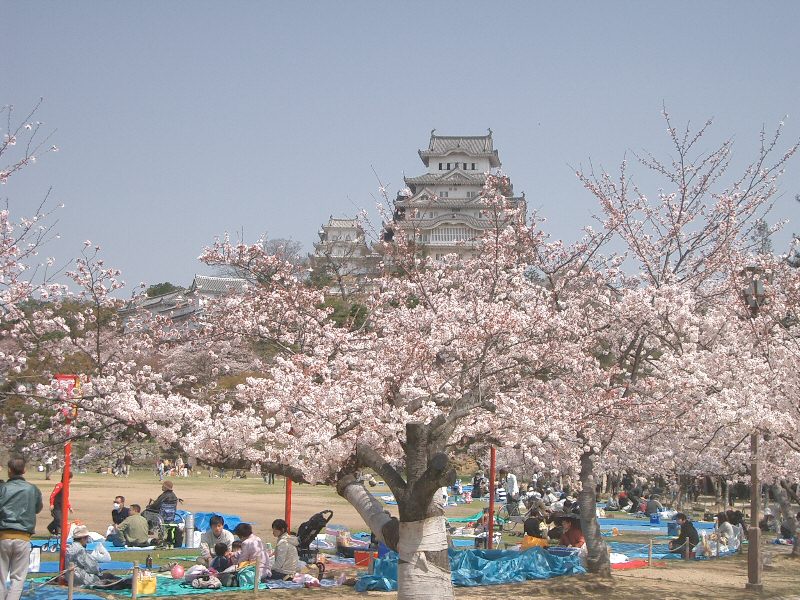
Hanami花見
The Japanese tradition of gathering to enjoy cherry blossoms in spring
🇯🇵 Japan and 7 more · Custom, Jan to May
Decoration
Hanami花見
The Japanese tradition of gathering to enjoy cherry blossoms in spring
🇯🇵 Japan and 7 more · Custom, Jan to May
 Decoration
Sōgetsu草月流
A modern school of Japanese ikebana open to all materials and styles
🇯🇵 Japan · Arrangement
Decoration
Sōgetsu草月流
A modern school of Japanese ikebana open to all materials and styles
🇯🇵 Japan · Arrangement