
Kusamono and shitakusa
In its own language: 草物, 下草
Japanese potted plant displays shown alone or with bonsai
Kusamono and shitakusa are Japanese arrangements of potted plants, shown either as stand-alone displays or as companions to bonsai. These plantings use moss, grasses, small flowers, bamboo, or bulbs, and are presented in special pots, driftwood, or stones to reflect the seasons or artistic themes.
- Kusamono are displayed alone; shitakusa accompany bonsai displays
- Arrangements use moss, grasses, small flowers, bamboo, or bulbs
- Traditionally, plants were gathered from Japanese mountains
- Displays are made in special pots, driftwood, or stones
What is Kusamono and shitakusa?
Kusamono and shitakusa are artistic plantings arranged in pots, on driftwood, or on stones. Kusamono are meant to be viewed on their own, while shitakusa are displayed alongside bonsai trees. The arrangements use a mix of mosses, grasses, small flowering plants, bamboo, or bulbs, chosen for their seasonal appeal or to highlight natural beauty. Each display is carefully composed to evoke a sense of landscape or season.
Where does Kusamono and shitakusa come from?
These arrangements come from Japan, where displaying potted plants as companions to bonsai has a long tradition. Originally, plants for kusamono and shitakusa were collected from the mountains, chosen for their wild and natural appearance. Over time, the practice has evolved to include more creative and artistic designs, but the focus remains on celebrating the beauty of simple, often overlooked plants.
How Kusamono and shitakusa is made
To create kusamono or shitakusa, artists select a mix of small plants such as moss, grasses, or bulbs. These are arranged in shallow pots, on pieces of driftwood, or on stones. The composition is designed to suggest a miniature landscape or to reflect a particular season. The arrangement is displayed either alone (kusamono) or as a complement to a bonsai (shitakusa).

When and where Kusamono and shitakusa is used
Kusamono are displayed as the main feature, often in homes or exhibitions, while shitakusa are placed next to bonsai to enhance the overall display. Both styles are used to bring a sense of nature indoors and to mark the changing seasons. They are appreciated by bonsai enthusiasts and those interested in Japanese plant arts.
Forms of Kusamono and shitakusa
There is a wide range of possible plant combinations, as artists may choose different mosses, grasses, flowers, or bulbs to suit the season or their own style. Traditional kusamono often used wild plants from the mountains, but modern arrangements may include more unusual or artistic selections. The choice of container—pot, driftwood, or stone—also varies.
What Kusamono and shitakusa means
Kusamono and shitakusa are part of Japanese plant display traditions, closely linked to bonsai. They reflect a deep appreciation for subtle beauty and the changing seasons. The practice encourages careful observation of nature and artistic expression through plant selection and arrangement.
Questions people ask about Kusamono and shitakusa
What is the difference between kusamono and shitakusa?
Kusamono are potted plant arrangements shown as the main display, while shitakusa are similar plantings placed alongside bonsai trees to complement them.
Where do kusamono and shitakusa come from?
They originate in Japan, where arranging small plants in pots or on stones has long been part of bonsai display traditions.
What plants are used in kusamono and shitakusa?
Common choices include moss, grasses, lichens, small flowering plants, bamboo, and bulbs, often selected to reflect the season.
How are kusamono and shitakusa displayed?
They are arranged in shallow pots, on driftwood, or on stones, and displayed either alone (kusamono) or with bonsai (shitakusa).
What do kusamono and shitakusa represent?
They express appreciation for nature's subtle beauty and the changing seasons, and are valued for their artistic and seasonal qualities.
Good reading and sources
- Kusamono and shitakusa on WikipediaEncyclopedia
- More photos on Wikimedia CommonsPhotos
- Wikidata recordOpen data
The facts on this page come from the Wikipedia article "Kusamono and shitakusa", written by its contributors and used under the CC BY-SA 4.0 licence, and from its Wikidata record (CC0). Phool rewrote the text in its own words, with AI assistance, and compares every page with the article to make sure no passage is copied. It may be reused under the same CC BY-SA 4.0 licence with a link back.
It may contain mistakes. If something is wrong, tell us. Last refreshed 2026-10-03.
More of the same kind
 Decoration
Bouquet
A creative arrangement of flowers, given or displayed for many occasions
🇨🇳 China and 1 more · Arrangement
Decoration
Bouquet
A creative arrangement of flowers, given or displayed for many occasions
🇨🇳 China and 1 more · Arrangement
 Decoration
Vase
An open container for holding and displaying cut flowers
Arrangement
Decoration
Vase
An open container for holding and displaying cut flowers
Arrangement
 Decoration
Floriculture
The science and business of growing flowers and ornamental plants
Arrangement
Decoration
Floriculture
The science and business of growing flowers and ornamental plants
Arrangement
 Decoration
Nageirebana抛入花
A free-form ikebana style using tall vases and no flower holders
Arrangement
Decoration
Nageirebana抛入花
A free-form ikebana style using tall vases and no flower holders
Arrangement
More from Japan
All the flowers of Japan Decoration
Bonsai盆栽
The Japanese art of shaping miniature trees in shallow pots
🇯🇵 Japan and 7 more · Art or design
Decoration
Bonsai盆栽
The Japanese art of shaping miniature trees in shallow pots
🇯🇵 Japan and 7 more · Art or design
 Decoration
Tokonoma床の間
A Japanese alcove for displaying scrolls and flower arrangements
🇯🇵 Japan · Arrangement
Decoration
Tokonoma床の間
A Japanese alcove for displaying scrolls and flower arrangements
🇯🇵 Japan · Arrangement
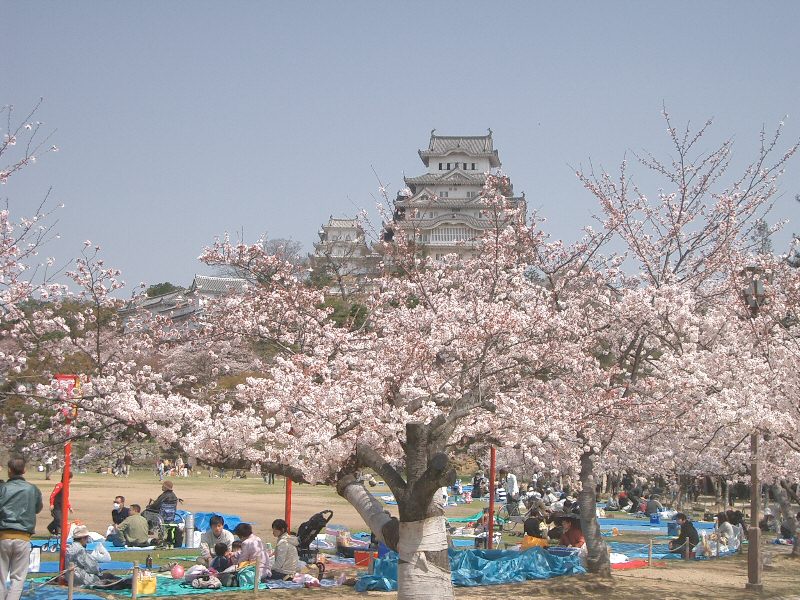 Decoration
Hanami花見
The Japanese tradition of gathering to enjoy cherry blossoms in spring
🇯🇵 Japan and 7 more · Custom, Jan to May
Decoration
Hanami花見
The Japanese tradition of gathering to enjoy cherry blossoms in spring
🇯🇵 Japan and 7 more · Custom, Jan to May
 Decoration
Sōgetsu草月流
A modern school of Japanese ikebana open to all materials and styles
🇯🇵 Japan · Arrangement
Decoration
Sōgetsu草月流
A modern school of Japanese ikebana open to all materials and styles
🇯🇵 Japan · Arrangement