
Ohara-ryū
In its own language: 小原流
A Japanese school of ikebana known for its moribana and landscape styles
Ohara-ryū is a school of ikebana, the Japanese art of flower arrangement, founded in 1895 by Ohara Unshin. Based in Japan, it is known for creating the moribana style using shallow, circular vases and for developing landscape-inspired and three-dimensional arrangements.
- Founded by Ohara Unshin in 1895
- Created the moribana style with shallow vases
- Known for landscape and three-dimensional arrangements
- First ikebana school to award certificates to women
- Has over 180 chapters worldwide
What is Ohara-ryū?
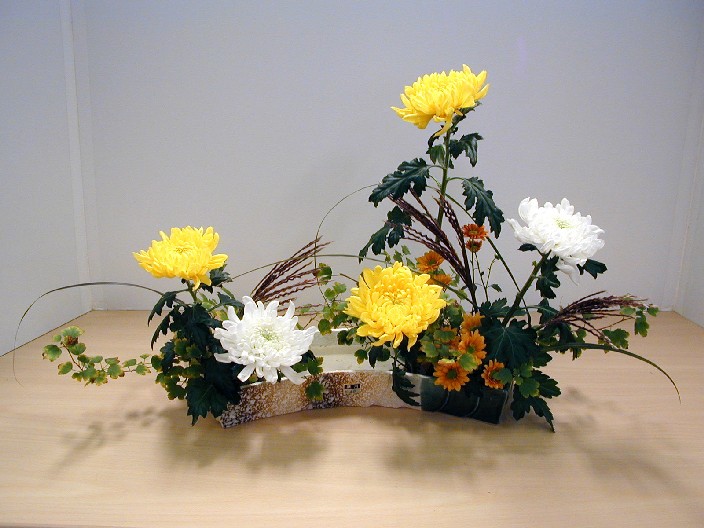
Ohara-ryū is a school of ikebana, the Japanese art of arranging flowers. It is known for its moribana style, which uses shallow, circular ceramic vases to create low, spreading arrangements. The school also features landscape-inspired designs, three-dimensional forms, and arrangements influenced by Japanese art and Chinese poetry. Its styles range from basic free forms to more structured, traditional displays.
Where does Ohara-ryū come from?
Ohara-ryū began in 1895 when Ohara Unshin started his own school of ikebana as Japan began importing European flowers. He introduced the moribana style, using shallow vases to allow for new types of arrangements. The school was officially founded in 1912. Over time, it developed teaching methods, group classes, and awarded certificates to women. The school expanded in Japan and internationally, with centers in Tokyo, Kobe, New York, and São Paulo.
How Ohara-ryū is made
Arrangements in Ohara-ryū are made by placing flowers and branches in shallow, circular vases, often to create a sense of landscape or movement. The school teaches various styles, including moribana, hanamai (three-dimensional), and rimpa (inspired by Japanese art). Each style has its own guidelines for placement, form, and use of materials, but all focus on balance, harmony, and the natural beauty of the flowers.



When and where Ohara-ryū is used
Ohara-ryū arrangements are created for display in homes, exhibitions, and ikebana classes. The school has chapters throughout Japan and around the world, and its styles are practiced by students and teachers in many countries. Arrangements may be made for everyday enjoyment or for special occasions, and the school holds classes and issues teaching certificates.
Forms of Ohara-ryū
Ohara-ryū has developed several distinct styles, including moribana, hanamai (dancing flowers), hana-ishō (basic free style), hanakanade (with crossing lines), heika (traditional upright style), rimpa (influenced by Japanese painting), and bunjinbana (inspired by Chinese poetry). Each style offers different forms and artistic approaches.
What Ohara-ryū means
Ohara-ryū played a role in making ikebana more accessible, especially to women, by awarding teaching certificates and offering group classes. Its styles have influenced other schools and are recognized for their artistic innovation. The school is part of the broader tradition of Japanese floral art and has contributed to the spread of ikebana worldwide.
Questions people ask about Ohara-ryū
What is Ohara-ryū?
Ohara-ryū is a Japanese school of ikebana, the art of flower arrangement. It is known for its moribana style, which uses shallow, circular vases, and for developing landscape-inspired and three-dimensional arrangements.
Where did Ohara-ryū originate?
Ohara-ryū was founded in Japan in 1895 by Ohara Unshin. The school began as Japan started importing European flowers and developed new ikebana styles.
What are the main styles of Ohara-ryū?
The main styles include moribana, hanamai (three-dimensional), hana-ishō (free style), hanakanade (crossing lines), heika (upright), rimpa (inspired by Japanese art), and bunjinbana (influenced by Chinese poetry).
Who can study Ohara-ryū ikebana?
Ohara-ryū offers classes and teaching certificates to both men and women. It was the first ikebana school to award certificates to women and has chapters in Japan and abroad.
What is the cultural significance of Ohara-ryū?
Ohara-ryū helped make ikebana more accessible and is recognized for its artistic innovation. Its styles have influenced other schools and contributed to the spread of ikebana worldwide.
Good reading and sources
The facts on this page come from the Wikipedia article "Ohara-ryū", written by its contributors and used under the CC BY-SA 4.0 licence, and from its Wikidata record (CC0). Phool rewrote the text in its own words, with AI assistance, and compares every page with the article to make sure no passage is copied. It may be reused under the same CC BY-SA 4.0 licence with a link back.
It may contain mistakes. If something is wrong, tell us. Last refreshed 2026-10-03.
More of the same kind
 Decoration
Bouquet
A creative arrangement of flowers, given or displayed for many occasions
🇨🇳 China and 1 more · Arrangement
Decoration
Bouquet
A creative arrangement of flowers, given or displayed for many occasions
🇨🇳 China and 1 more · Arrangement
 Decoration
Vase
An open container for holding and displaying cut flowers
Arrangement
Decoration
Vase
An open container for holding and displaying cut flowers
Arrangement
 Decoration
Floriculture
The science and business of growing flowers and ornamental plants
Arrangement
Decoration
Floriculture
The science and business of growing flowers and ornamental plants
Arrangement
 Decoration
Nageirebana抛入花
A free-form ikebana style using tall vases and no flower holders
Arrangement
Decoration
Nageirebana抛入花
A free-form ikebana style using tall vases and no flower holders
Arrangement
More from Japan
All the flowers of Japan Decoration
Bonsai盆栽
The Japanese art of shaping miniature trees in shallow pots
🇯🇵 Japan and 7 more · Art or design
Decoration
Bonsai盆栽
The Japanese art of shaping miniature trees in shallow pots
🇯🇵 Japan and 7 more · Art or design
 Decoration
Tokonoma床の間
A Japanese alcove for displaying scrolls and flower arrangements
🇯🇵 Japan · Arrangement
Decoration
Tokonoma床の間
A Japanese alcove for displaying scrolls and flower arrangements
🇯🇵 Japan · Arrangement
 Decoration
Hanami花見
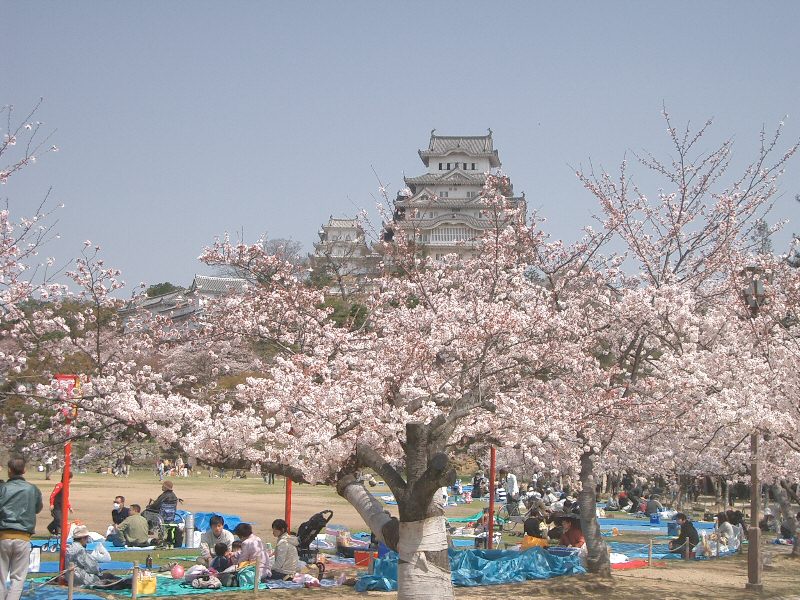
The Japanese tradition of gathering to enjoy cherry blossoms in spring
🇯🇵 Japan and 7 more · Custom, Jan to May
Decoration
Hanami花見
The Japanese tradition of gathering to enjoy cherry blossoms in spring
🇯🇵 Japan and 7 more · Custom, Jan to May
 Decoration
Sōgetsu草月流
A modern school of Japanese ikebana open to all materials and styles
🇯🇵 Japan · Arrangement
Decoration
Sōgetsu草月流
A modern school of Japanese ikebana open to all materials and styles
🇯🇵 Japan · Arrangement