
Rushbearing
An English festival of carrying rushes and flowers to church in decorated processions
Rushbearing is a traditional English festival where people gather rushes and flowers to strew on church floors, once for warmth and cleanliness. The event features processions with decorated carts, music, and dancing, and is still held in some towns in northern England.
- Rushbearing dates back to medieval England as a church floor covering custom.
- Decorated carts with rushes and flowers are paraded through villages.
- The tradition is still alive in towns like Grasmere and Ambleside.
- Music, Morris dancing, and community gatherings are key features.
- Rushes and garlands are spread and hung in the church as part of the ritual.
What is Rushbearing?
Rushbearing is a festival where people collect rushes—long, grass-like plants—and flowers to carry in processions through towns and villages. The rushes are often loaded onto carts, which are decorated with garlands, ribbons, and sometimes silverware. Music, Morris dancing, and costumed participants often accompany the procession. When the group reaches the church, the rushes and flowers are spread on the floor, and garlands are hung inside as decoration. The event is lively, with bands, dancing, and community gatherings.
Where does Rushbearing come from?
Rushbearing began in medieval England, when churches and homes had earth floors covered with rushes for insulation and cleanliness. Each parish would set aside a day for bringing fresh rushes to the church, often linked to the feast day of its patron saint. The tradition is mentioned in records from the 14th to 17th centuries, and was widespread by Shakespeare’s time. As stone floors replaced earth, the practical need faded, but the custom continued as a festival. In the 19th century, rushbearing was revived in some northern towns and villages.
How Rushbearing is made
Rushbearing processions are prepared by gathering rushes—sometimes sweet flag or other herbs—from marshy areas. The rushes are dried and loaded onto carts, which are then decorated with flowers, ribbons, and garlands. Participants, including children and adults, dress festively and parade the carts through the village, often with music and dancing. At the church, the rushes are spread on the floor and garlands are hung up. In some places, children receive treats for taking part.
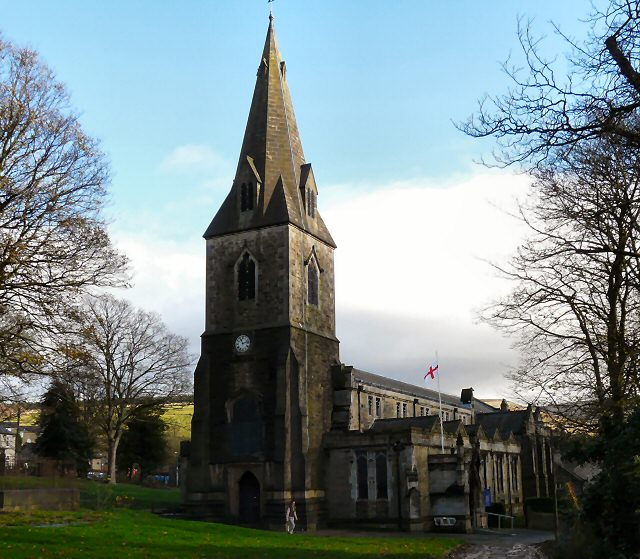


When and where Rushbearing is used
Rushbearing is held annually in several northern English towns, usually in July or August. The festival is tied to the church calendar, often near the feast day of the parish’s patron saint. It is a community event, with processions, music, and dancing, followed by a church service. The tradition is both a religious offering and a celebration, bringing together people of all ages. In some places, it is also attended by local officials in ceremonial dress.
Forms of Rushbearing
Different towns have their own forms of rushbearing. In some, rushes are carried in bundles; in others, they are loaded onto large decorated carts called rushcarts. Grasmere and Ambleside use garlands on poles carried by children, while in Glossop, a pyramid of rushes topped with a garland is paraded. Some places combine the event with Morris dancing and bands, and the timing varies by parish.
What Rushbearing means
Rushbearing is a symbol of English rural tradition and community spirit. It blends Christian church customs with older practices of floor covering and midsummer celebration. The festival is mentioned in historical records, poetry, and local lore. Though its practical purpose has faded, rushbearing survives as a living tradition in parts of northern England, valued for its sense of history and togetherness.
The flowers of Rushbearing


Questions people ask about Rushbearing
What is rushbearing?
Rushbearing is a traditional English festival where people collect rushes and flowers, carry them in decorated processions, and strew them on church floors. It began as a practical way to cover earthen floors but became a festive community event.
Where does rushbearing come from?
Rushbearing started in medieval England, especially in the north, when churches had earth floors covered with rushes for cleanliness and warmth. The custom became linked to church festivals and patron saints’ days.
What happens during a rushbearing festival?
People gather rushes and flowers, decorate carts or carry garlands, and parade through the village with music and dancing. At the church, the rushes are spread on the floor and garlands are hung up, followed by a service and community celebration.
What does rushbearing symbolise?
Rushbearing symbolises community, tradition, and the blending of practical needs with religious celebration. It marks the renewal of the church and brings people together for a shared festival.
Is rushbearing still celebrated today?
Yes, rushbearing is still held annually in some northern English towns and villages, such as Grasmere and Ambleside, where it remains a lively mix of procession, music, and church ritual.
Good reading and sources
The facts on this page come from the Wikipedia article "Rushbearing", written by its contributors and used under the CC BY-SA 4.0 licence, and from its Wikidata record (CC0). EveryPhool rewrote the text in its own words, with AI assistance, and compares every page with the article to make sure no passage is copied. It may be reused under the same CC BY-SA 4.0 licence with a link back.
It may contain mistakes. If something is wrong, tell us. Last refreshed 2026-10-03.
More of the same kind
 Decoration
Bonsai盆栽
The Japanese art of shaping miniature trees in shallow pots
🇯🇵 Japan and 7 more · Art or design
Decoration
Bonsai盆栽
The Japanese art of shaping miniature trees in shallow pots
🇯🇵 Japan and 7 more · Art or design
 Decoration
Tokonoma床の間
A Japanese alcove for displaying scrolls and flower arrangements
🇯🇵 Japan · Arrangement
Decoration
Tokonoma床の間
A Japanese alcove for displaying scrolls and flower arrangements
🇯🇵 Japan · Arrangement
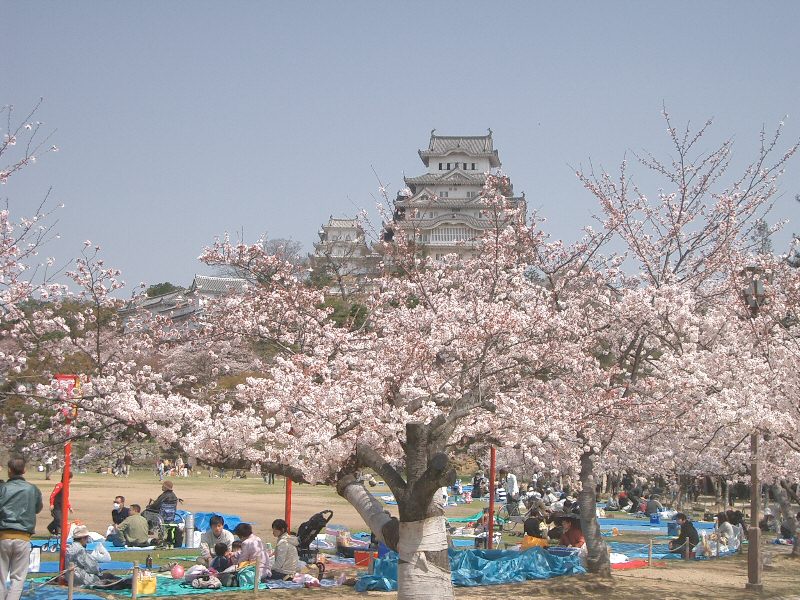 Decoration
Hanami花見
The Japanese tradition of gathering to enjoy cherry blossoms in spring
🇯🇵 Japan and 7 more · Custom, Jan to May
Decoration
Hanami花見
The Japanese tradition of gathering to enjoy cherry blossoms in spring
🇯🇵 Japan and 7 more · Custom, Jan to May
 Decoration
Sōgetsu草月流
A modern school of Japanese ikebana open to all materials and styles
🇯🇵 Japan · Arrangement
Decoration
Sōgetsu草月流
A modern school of Japanese ikebana open to all materials and styles
🇯🇵 Japan · Arrangement
More from the United Kingdom
All the flowers of the United Kingdom Decoration
Advent wreathAdventskranz
A ring of evergreens and candles marking each week of Advent
🇩🇪 Germany and 2 more · Worn flowers, Nov to Dec
Decoration
Advent wreathAdventskranz
A ring of evergreens and candles marking each week of Advent
🇩🇪 Germany and 2 more · Worn flowers, Nov to Dec
 Decoration
Boutonnière
A single flower worn on a suit or tuxedo lapel for formal occasions
🇬🇧 United Kingdom · Worn flowers
Decoration
Boutonnière
A single flower worn on a suit or tuxedo lapel for formal occasions
🇬🇧 United Kingdom · Worn flowers
 Decoration
BeltaneBealtaine / Là Bealltainn / Boaltinn
The Gaelic May Day festival with bonfires and yellow flower decorations
🇮🇪 Ireland and 1 more · Custom, May
Decoration
BeltaneBealtaine / Là Bealltainn / Boaltinn
The Gaelic May Day festival with bonfires and yellow flower decorations
🇮🇪 Ireland and 1 more · Custom, May
 Decoration
Remembrance poppy
An artificial red poppy worn to honour those lost in war
🇬🇧 United Kingdom and 7 more · Worn flowers, Apr to Nov
Decoration
Remembrance poppy
An artificial red poppy worn to honour those lost in war
🇬🇧 United Kingdom and 7 more · Worn flowers, Apr to Nov