
Seika
In its own language: 生花
A classical Japanese ikebana style with triangular lines and seasonal flowers
Seika is a traditional form of Japanese flower arrangement, also called Shōka, known for its triangular structure and symbolic use of three main lines. Developed in Japan, it uses one to three kinds of flowers in a single vase, reflecting the plant’s natural growth and the season.
- Seika uses a triangular structure with three symbolic lines
- Arrangements use one to three types of seasonal plants in a single vase
- Aspidistra leaves are traditional practice material for beginners
- Each main line represents heaven, human, or earth
- Over 1,200 ikebana schools in Japan practice their own Seika style
What is Seika?
Seika is a style of ikebana, the Japanese art of flower arrangement. It features a triangular composition with three main lines: shin (central and tallest), soe (supporting), and tai (balancing at the base). These lines represent heaven, human, and earth. Arrangements use one to three types of flowers or branches in a single vase, often upright, slanted, or hanging. The natural shape and seasonality of each plant are respected, and the number of branches is always uneven.
Where does Seika come from?
Seika originated in Japan and was supported by notable figures like painter Sōami and shōgun Ashikaga Yoshimasa in the 15th century. It became most popular and refined in the 18th century and was formalised during the late Edo period. Collections of Seika works, such as the Sōka Hyakki and Senshō Risshōkashū, were published by headmasters of the Ikenobō school. Today, Seika is practiced in many of Japan’s 1,200 ikebana schools, each with its own approach.
How Seika is made
To create a Seika arrangement, practitioners select one to three seasonal plants and place them in a single vase. The main lines—shin, soe, and tai—are arranged at specific angles and lengths, following strict rules. The arrangement’s form (upright, slanted, or hanging) depends on the plant’s natural habitat. Beginners often start with Aspidistra leaves to learn the basics before moving on to other materials.


When and where Seika is used
Seika is made for display in homes, at festivals, and sometimes in places of worship. Arrangements are created to reflect the current season and the natural beauty of the plants. In the past, students would practice with Aspidistra for extended periods before using other flowers. Seika is less common today but remains a respected tradition in Japanese culture.
Forms of Seika
Different schools of ikebana have their own versions of Seika. Ikenobō shōka includes both the traditional shōfūtai and the more modern shimputai, introduced in 1997. In Mishō-ryū, the style is called kakubana. Some schools focus on strict natural placement, while others emphasize design elements. The style has evolved but retains its symbolic structure.
What Seika means
Seika arrangements symbolize the unity of heaven, human, and earth. The practice is rooted in the idea of expressing the inner beauty of plants. It has been featured in art collections and books, and is an important part of Japanese flower culture. While less widespread today, Seika is still taught and practiced in many ikebana schools.
Questions people ask about Seika
What is Seika in ikebana?
Seika is a classical Japanese flower arrangement style with a triangular structure, using one to three types of flowers or branches in a single vase. It emphasizes the natural growth and seasonality of plants.
Where does Seika come from?
Seika originated in Japan, with roots in the 15th century. It was formalised during the late Edo period and is practiced in many ikebana schools across Japan.
What do the three main lines in Seika represent?
The three lines—shin, soe, and tai—symbolize heaven, human, and earth. Together, they express the unity of the human universe in the arrangement.
What materials are used in Seika arrangements?
Seika uses one to three kinds of seasonal flowers or branches. Aspidistra leaves are often used for practice, but many different plants can be chosen depending on the season.
Is Seika still practiced today?
Yes, Seika is still taught and practiced in Japan, though it is less common than in the past. Many ikebana schools have their own versions of the style.
Good reading and sources
The facts on this page come from the Wikipedia article "Seika", written by its contributors and used under the CC BY-SA 4.0 licence, and from its Wikidata record (CC0). Phool rewrote the text in its own words, with AI assistance, and compares every page with the article to make sure no passage is copied. It may be reused under the same CC BY-SA 4.0 licence with a link back.
It may contain mistakes. If something is wrong, tell us. Last refreshed 2026-10-03.
More of the same kind
 Decoration
Bouquet
A creative arrangement of flowers, given or displayed for many occasions
🇨🇳 China and 1 more · Arrangement
Decoration
Bouquet
A creative arrangement of flowers, given or displayed for many occasions
🇨🇳 China and 1 more · Arrangement
 Decoration
Vase
An open container for holding and displaying cut flowers
Arrangement
Decoration
Vase
An open container for holding and displaying cut flowers
Arrangement
 Decoration
Floriculture
The science and business of growing flowers and ornamental plants
Arrangement
Decoration
Floriculture
The science and business of growing flowers and ornamental plants
Arrangement
 Decoration
Nageirebana抛入花
A free-form ikebana style using tall vases and no flower holders
Arrangement
Decoration
Nageirebana抛入花
A free-form ikebana style using tall vases and no flower holders
Arrangement
More from Japan
All the flowers of Japan Decoration
Bonsai盆栽
The Japanese art of shaping miniature trees in shallow pots
🇯🇵 Japan and 7 more · Art or design
Decoration
Bonsai盆栽
The Japanese art of shaping miniature trees in shallow pots
🇯🇵 Japan and 7 more · Art or design
 Decoration
Tokonoma床の間
A Japanese alcove for displaying scrolls and flower arrangements
🇯🇵 Japan · Arrangement
Decoration
Tokonoma床の間
A Japanese alcove for displaying scrolls and flower arrangements
🇯🇵 Japan · Arrangement
 Decoration
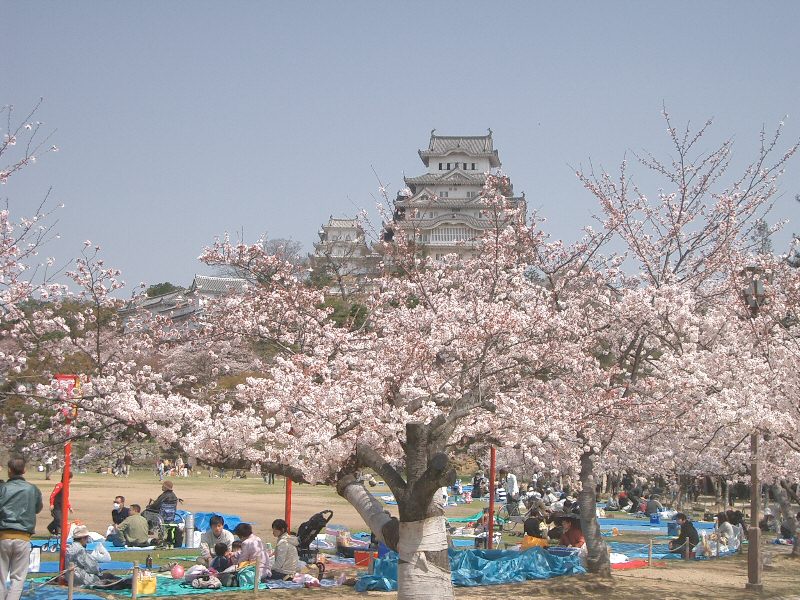
Hanami花見
The Japanese tradition of gathering to enjoy cherry blossoms in spring
🇯🇵 Japan and 7 more · Custom, Jan to May
Decoration
Hanami花見
The Japanese tradition of gathering to enjoy cherry blossoms in spring
🇯🇵 Japan and 7 more · Custom, Jan to May
 Decoration
Sōgetsu草月流
A modern school of Japanese ikebana open to all materials and styles
🇯🇵 Japan · Arrangement
Decoration
Sōgetsu草月流
A modern school of Japanese ikebana open to all materials and styles
🇯🇵 Japan · Arrangement