
Autumn crocus
Colchicum autumnale, family Colchicaceae
A lilac autumn flower that blooms before its leaves appear
Autumn crocus is a small, toxic plant that sends up lilac flowers in the fall, often before its leaves grow. Native to grassy meadows in parts of Europe, it is grown in gardens for its unusual blooming time, but all parts are poisonous if eaten.
- Flowers appear in autumn before the leaves grow
- All parts of the plant are poisonous if eaten
- Native to meadows across much of Europe
- Contains colchicine, used in medicine and plant breeding
- Often grown as a garden ornamental despite its toxicity
What does Autumn crocus look like?
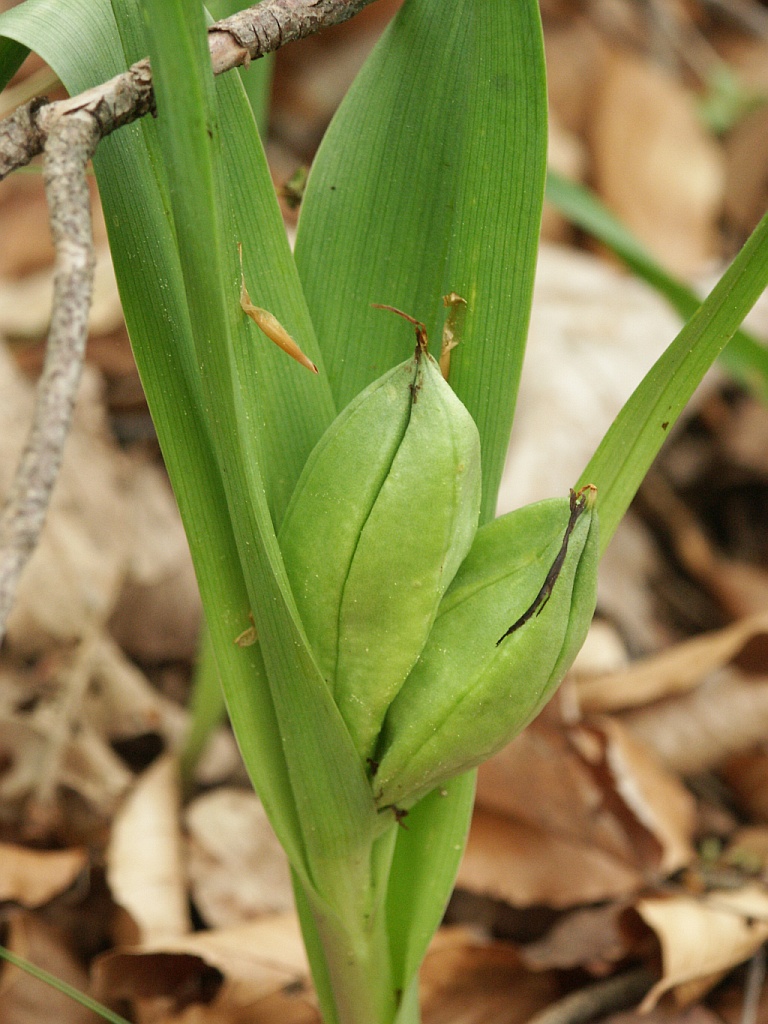
Autumn crocus is a perennial that grows from a corm, similar to a bulb. Its flowers are usually lilac or purple, with six petal-like parts and orange-tipped stamens. The blooms are about 4 to 7 centimeters wide and appear alone on short stalks. Leaves, which are long and narrow, only show up after the flowers have faded. The plant's ovary stays hidden underground during flowering.
Where does Autumn crocus come from?
This species is found naturally in meadows across Europe, stretching from Portugal to Ukraine. It is the only member of its family native to Britain and Ireland. Over time, it has also become established in Sweden, Russia, and New Zealand. People have grown it in gardens for its unusual autumn flowers, and it is sometimes mistaken for other crocus species, though it is not related to the true crocuses.
When and how Autumn crocus blooms
The plant blooms in autumn, sending up flowers before any leaves are visible. It grows best in temperate climates, often in grassy fields or meadows. Gardeners plant its corms in well-drained soil, where they remain dormant until the flowering season. After blooming, the leaves emerge and grow through winter and spring.



How Autumn crocus is used
Autumn crocus is mainly grown for its decorative flowers in gardens. It is not used for food, as all parts are highly poisonous. The plant contains colchicine, a chemical used in medicine to treat certain diseases and in plant breeding. Foragers need to be cautious, as its leaves can be confused with edible wild garlic.
Kinds of Autumn crocus
Gardeners have selected a few forms for cultivation, including the 'Nancy Lindsay' variety, which has been recognized for its garden value. While the species itself is most often grown, these cultivated types may differ slightly in flower size or color.
What Autumn crocus means
Despite its beauty, this plant is best known for its toxicity. Its common names, like 'naked lady', refer to the way flowers appear without leaves. It is sometimes confused with the saffron crocus, but it does not produce saffron. The plant is valued in horticulture but must be handled with care.
Traditions that use it
Questions people ask about Autumn crocus
Where does autumn crocus come from?
It grows wild in grassy meadows from Portugal to Ukraine and is the only member of its family native to Britain and Ireland. It has also become naturalized in Sweden, Russia, and New Zealand.
Is autumn crocus related to true crocuses or saffron?
No, it belongs to a different plant family from true crocuses and does not produce saffron. Its flowers look similar, but it is not related to the saffron crocus.
Is autumn crocus safe to eat or touch?
No, all parts of the plant are poisonous if eaten, especially the corms. It contains colchicine, which is toxic to humans and animals.
What is colchicine and how is it used?
Colchicine is a chemical found in autumn crocus. It is used in medicine to treat gout and some other conditions, and in plant breeding to create new varieties.
Why is it called 'naked lady'?
The name comes from the way its flowers appear on bare ground before any leaves are visible, making the plant look 'naked' when it blooms.
Good reading and sources
- Colchicum autumnale 'Nancy Lindsay'Royal Horticultural Society, Article
- Plants of the World OnlineRoyal Botanic Gardens, Kew, Plant database
- Where it has been recordedGBIF, Plant database
- Sightings and photos by naturalistsiNaturalist, Plant database
- Colchicum autumnale on WikipediaEncyclopedia
- More photos on Wikimedia CommonsPhotos
- Wikidata recordOpen data
The facts on this page come from the Wikipedia article "Colchicum autumnale", written by its contributors and used under the CC BY-SA 4.0 licence, and from its Wikidata record (CC0). Phool rewrote the text in its own words, with AI assistance, and compares every page with the article to make sure no passage is copied. It may be reused under the same CC BY-SA 4.0 licence with a link back.
It may contain mistakes. It is not medical or foraging advice: many flowers are poisonous, and traditional uses are reported, not recommended. If something is wrong, tell us. Last refreshed 2026-10-03.
Others in the family Colchicaceae
The whole family

More from Ireland
All the flowers of Ireland Common flaxLinum usitatissimum
The slender blue-flowered plant grown for linen and linseed
🇨🇳 China and 7 more · Wildflower
Common flaxLinum usitatissimum
The slender blue-flowered plant grown for linen and linseed
🇨🇳 China and 7 more · Wildflower
 HawthornCrataegus
A thorny shrub or tree with white or pink spring flowers and small edible fruits
🇮🇪 Ireland and 7 more · Wildflower
HawthornCrataegus
A thorny shrub or tree with white or pink spring flowers and small edible fruits
🇮🇪 Ireland and 7 more · Wildflower
 Lily-of-the-valleyConvallaria majalis
A woodland plant with sweet-scented white bell flowers in late spring
🇫🇮 Finland and 4 more · Wildflower
Lily-of-the-valleyConvallaria majalis
A woodland plant with sweet-scented white bell flowers in late spring
🇫🇮 Finland and 4 more · Wildflower
 RapeseedBrassica napus
A yellow-flowered crop grown for its oil-rich seeds and protein meal
🇨🇳 China and 7 more · Wildflower
RapeseedBrassica napus
A yellow-flowered crop grown for its oil-rich seeds and protein meal
🇨🇳 China and 7 more · Wildflower