
Rangoon creeper
Combretum indicum, family Combretaceae
A tropical vine with flowers that shift from white to red over three days
Rangoon creeper is a fast-growing climbing vine native to tropical Asia. It bears fragrant tubular flowers that open white at dusk, turn pink the next day, and become red on the third, attracting different pollinators each time.
- Flowers change from white to pink to red over three days
- Strongly fragrant, opening at dusk to attract hawkmoths
- Seeds contain quisqualic acid, used against intestinal worms
- Grows year-round in warm, wet tropical climates
- Formerly known as Quisqualis indica
What does Rangoon creeper look like?
Rangoon creeper is a woody vine that climbs 2.5 to 8 meters high. Its leaves are simple, opposite, and oval with pointed tips. The tubular flowers are strongly fragrant and change colour as they age: white when first opened, then pink, then deep red. Each flower droops as it matures.
Where does Rangoon creeper come from?
Native to tropical Asia, Rangoon creeper grows wild in thickets, forests, and along rivers from the Indian subcontinent through southern China to Southeast Asia. It was once classified under the genus Quisqualis but has been moved to Combretum along with six related species.
When and how Rangoon creeper blooms
This vine blooms year-round in warm, moist conditions. It thrives in tropical climates and is grown as an ornamental plant. The flowers open at dusk and last three days, shifting colour and posture to attract different pollinators, hawkmoths first, then bees and birds.


How Rangoon creeper is used
People grow Rangoon creeper for its beauty in gardens and around homes. Traditionally, its seeds have been used in parts of Asia to treat intestinal worm infections, though they contain toxic compounds that can affect the nervous system if misused.
Questions people ask about Rangoon creeper
Where does Rangoon creeper come from?
It is native to tropical Asia, including the Indian subcontinent, southern China, Myanmar, Malaysia, the Philippines, Thailand, and Vietnam.
Why do the flowers change colour?
The colour shift, from white to pink to red, helps attract different pollinators: hawkmoths at night, then bees and birds during the day.
Is Rangoon creeper poisonous?
Its seeds contain quisqualic acid, which is toxic but has been traditionally used to kill intestinal worms like roundworm and pinworm.
When does it bloom?
It can flower all year if temperatures stay high and water is available.
What is it used for?
It is grown as an ornamental vine and its seeds have been used in traditional medicine for parasitic worm infections.
Good reading and sources
- USDA Plants DatabaseUS Department of Agriculture, Article
- Plants of the World OnlineRoyal Botanic Gardens, Kew, Plant database
- Where it has been recordedGBIF, Plant database
- Sightings and photos by naturalistsiNaturalist, Plant database
- Combretum indicum on WikipediaEncyclopedia
- More photos on Wikimedia CommonsPhotos
- Wikidata recordOpen data
The facts on this page come from the Wikipedia article "Combretum indicum", written by its contributors and used under the CC BY-SA 4.0 licence, and from its Wikidata record (CC0). EveryPhool rewrote the text in its own words, with AI assistance, and compares every page with the article to make sure no passage is copied. It may be reused under the same CC BY-SA 4.0 licence with a link back.
It may contain mistakes. It is not medical or foraging advice: many flowers are poisonous, and traditional uses are reported, not recommended. If something is wrong, tell us. Last refreshed 2026-10-04.
Others in the family Combretaceae
The whole family
More from China
All the flowers of China RoseRosa
Prickly flowering shrubs grown across the world for fragrant blossoms and rose hips
🇨🇳 China and 7 more · Flowering shrub
RoseRosa
Prickly flowering shrubs grown across the world for fragrant blossoms and rose hips
🇨🇳 China and 7 more · Flowering shrub
 PeachPrunus persica
A flowering fruit tree from China, grown for its pink blossoms and sweet fruit
🇨🇳 China and 7 more · Flowering tree
PeachPrunus persica
A flowering fruit tree from China, grown for its pink blossoms and sweet fruit
🇨🇳 China and 7 more · Flowering tree
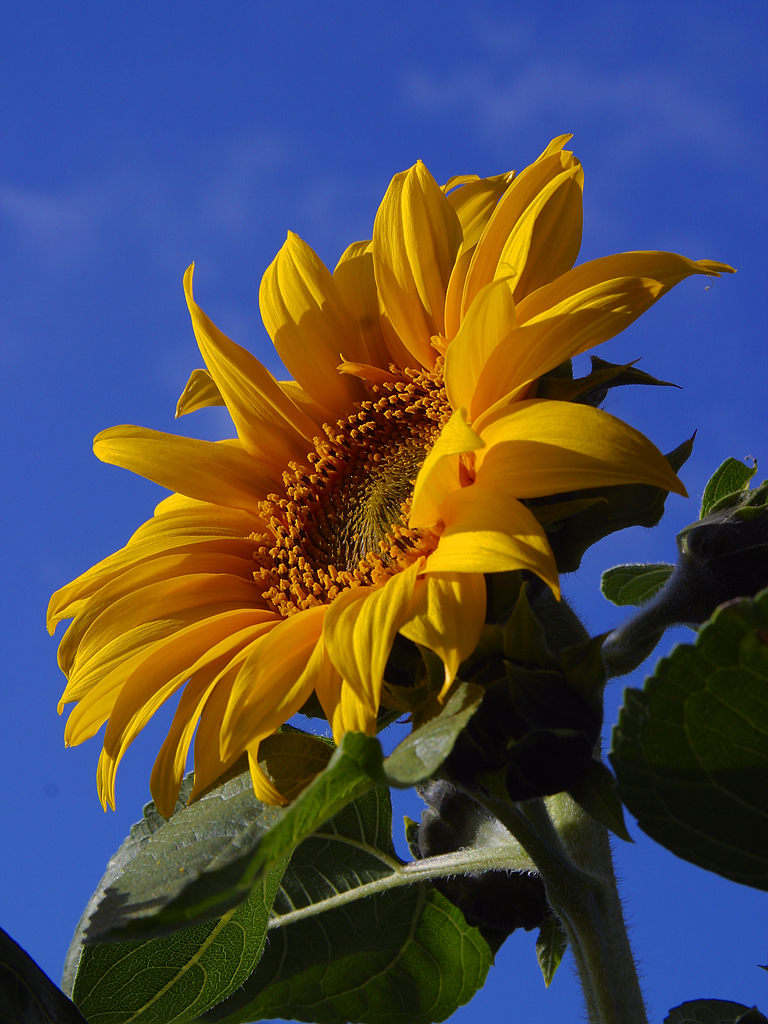 Common sunflowerHelianthus annuus
A tall annual plant grown for its large yellow flower heads and edible seeds
🇨🇦 Canada and 4 more · Wildflower
Common sunflowerHelianthus annuus
A tall annual plant grown for its large yellow flower heads and edible seeds
🇨🇦 Canada and 4 more · Wildflower
 PomegranatePunica granatum
A shrub with bright red flowers and a fruit full of edible seeds
🇮🇷 Iran and 9 more · Flowering shrub
PomegranatePunica granatum
A shrub with bright red flowers and a fruit full of edible seeds
🇮🇷 Iran and 9 more · Flowering shrub