
Doubtful knight's-spur
Consolida ajacis, family Ranunculaceae
Tall garden annual with spikes of blue, pink or white flowers
Doubtful knight's-spur is an annual plant grown for its tall spikes of colourful flowers. Native to parts of Eurasia and China, it is also found in gardens and wild areas in North America. The plant can reach up to a meter high and is valued for its ornamental blooms, but all parts are poisonous.
- Grown for its tall spikes of blue, pink, or white flowers
- Native to Eurasia and China, now widespread in gardens
- All parts of the plant are poisonous
What does Doubtful knight's-spur look like?
Doubtful knight's-spur is an upright annual plant that can grow as tall as one meter. Its main feature is the long, slender spikes covered in small flowers, which come in shades of blue, pink, or white. The leaves are divided and delicate. The flowers are often used in garden beds and as cut flowers for their colour and height. All parts of the plant, including the seeds, are toxic if ingested.
Where does Doubtful knight's-spur come from?
This plant is native to Eurasia and southern China, including Guangdong. Over time, it has spread widely and is now found in gardens and wild areas in other regions, such as North America, where it is considered introduced. Its scientific name is Consolida ajacis, and it belongs to the buttercup family, Ranunculaceae.
When and how Doubtful knight's-spur blooms
Doubtful knight's-spur is grown from seed. In the UK, seeds can be started indoors from February to April or sown directly outside from April to May or in late summer to early autumn. The plant grows quickly, producing tall flowering spikes in summer and autumn. It prefers well-drained soil and a sunny spot.


How Doubtful knight's-spur is used
People grow this plant mainly for its decorative flowers, which are used in gardens and as cut flowers in arrangements. Its height and colourful blooms make it popular for adding vertical interest to borders and beds. Due to its toxicity, it is not used for food or medicine.
Kinds of Doubtful knight's-spur
The flowers of Consolida ajacis can be blue, pink, or white. Gardeners may select for different colours when sowing seeds. There are no named varieties or cultivars mentioned in the sources.
What Doubtful knight's-spur means
While it is widely grown as an ornamental, all parts of the plant are poisonous because they contain toxic alkaloids. This should be kept in mind when planting it in gardens, especially where children or pets are present. The plant is not tied to any particular symbolism or festival in the sources.
Questions people ask about Doubtful knight's-spur
Where does doubtful knight's-spur come from?
It is native to Eurasia and southern China, including Guangdong, but is now grown in gardens and found wild in other regions such as North America.
What does doubtful knight's-spur look like?
It is an upright annual that can reach about a meter in height, with long spikes of small flowers in blue, pink, or white.
Is doubtful knight's-spur poisonous?
Yes, all parts of the plant, including seeds and leaves, contain toxic alkaloids and should not be eaten.
How is doubtful knight's-spur used?
It is mainly grown as an ornamental plant in gardens and used as a cut flower for arrangements.
When does doubtful knight's-spur flower?
In Europe, it flowers from June to October, during summer and autumn.
Good reading and sources
- USDA Plants DatabaseUS Department of Agriculture, Article
- Consolida ajacisRoyal Horticultural Society, Article
- Plants of the World OnlineRoyal Botanic Gardens, Kew, Plant database
- Where it has been recordedGBIF, Plant database
- Sightings and photos by naturalistsiNaturalist, Plant database
- Consolida ajacis on WikipediaEncyclopedia
- More photos on Wikimedia CommonsPhotos
- Wikidata recordOpen data
The facts on this page come from the Wikipedia article "Consolida ajacis", written by its contributors and used under the CC BY-SA 4.0 licence, and from its Wikidata record (CC0). Phool rewrote the text in its own words, with AI assistance, and compares every page with the article to make sure no passage is copied. It may be reused under the same CC BY-SA 4.0 licence with a link back.
It may contain mistakes. It is not medical or foraging advice: many flowers are poisonous, and traditional uses are reported, not recommended. If something is wrong, tell us. Last refreshed 2026-10-03.
Others in the family Ranunculaceae
The whole family ButtercupRanunculus
A widespread group of bright, often shiny-petalled wild and garden flowers
Ranunculus · Wildflower
ButtercupRanunculus
A widespread group of bright, often shiny-petalled wild and garden flowers
Ranunculus · Wildflower
 Anemone
Perennial wildflowers with colorful, petal-like sepals known as windflowers
Anemone · Wildflower
Anemone
Perennial wildflowers with colorful, petal-like sepals known as windflowers
Anemone · Wildflower
 MonkshoodAconitum
Tall, hooded wildflowers of mountain meadows, known for beauty and deadly poison
Aconitum · Wildflower
MonkshoodAconitum
Tall, hooded wildflowers of mountain meadows, known for beauty and deadly poison
Aconitum · Wildflower
 Clematis
A climbing vine with showy flowers, prized in gardens worldwide
Clematis · Wildflower
Clematis
A climbing vine with showy flowers, prized in gardens worldwide
Clematis · Wildflower
More from China
All the flowers of China PeachPrunus persica
A flowering fruit tree from China, grown for its pink blossoms and sweet fruit
🇨🇳 China and 7 more · Flowering tree
PeachPrunus persica
A flowering fruit tree from China, grown for its pink blossoms and sweet fruit
🇨🇳 China and 7 more · Flowering tree
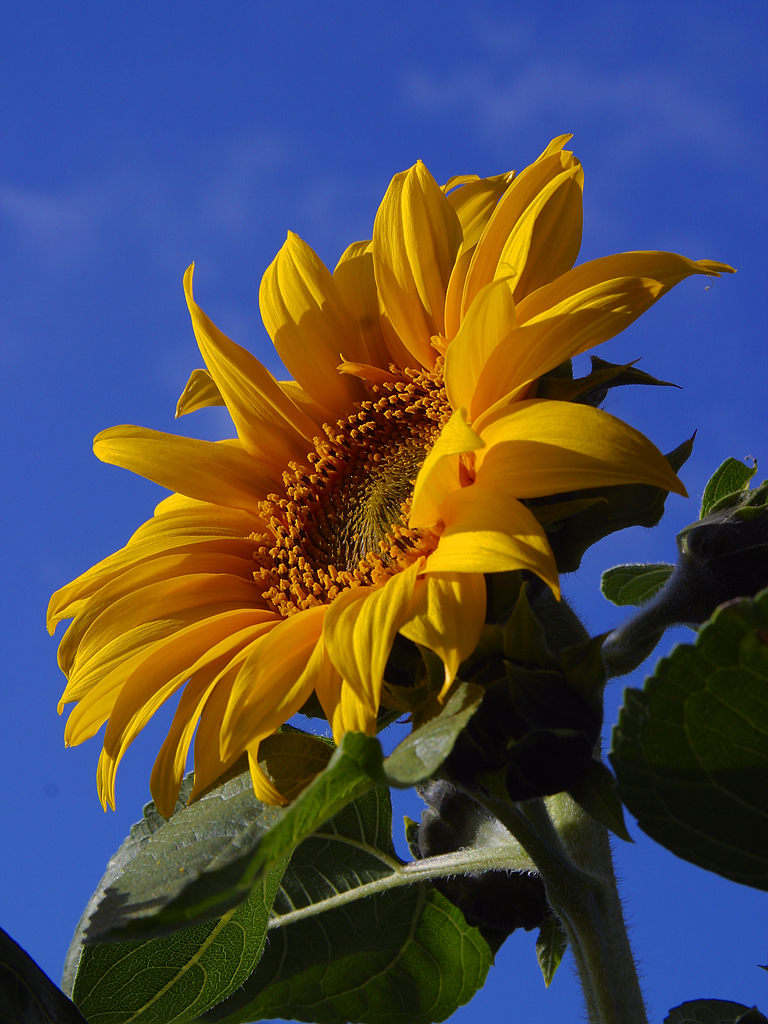 Common sunflowerHelianthus annuus
A tall annual plant grown for its large yellow flower heads and edible seeds
🇨🇦 Canada and 4 more · Wildflower
Common sunflowerHelianthus annuus
A tall annual plant grown for its large yellow flower heads and edible seeds
🇨🇦 Canada and 4 more · Wildflower
 PomegranatePunica granatum
A shrub with bright red flowers and a fruit full of edible seeds
🇮🇷 Iran and 9 more · Flowering shrub
PomegranatePunica granatum
A shrub with bright red flowers and a fruit full of edible seeds
🇮🇷 Iran and 9 more · Flowering shrub
 BirchBetula
Slender trees with papery bark found across the northern world
🇨🇳 China and 7 more · Wildflower
BirchBetula
Slender trees with papery bark found across the northern world
🇨🇳 China and 7 more · Wildflower