
Hubei Anemone
Eriocapitella hupehensis, family Ranunculaceae
In its own language: 打破碗花花
A late-summer flowering perennial with purple, pink or white blooms
Hubei Anemone is a perennial plant native to China and parts of East and Southeast Asia. It forms clumps of divided leaves and produces flowers in shades of purple, pink, or white from midsummer to autumn, often grown in gardens and valued for its long blooming season.
- Native to China and the Eastern Himalaya
- Flowers from July to October with purple, pink, or white blooms
- Known as 'broken bowl flower' in Chinese
- Cultivated in China since at least the 17th century
- Parent species to other popular garden anemones
What does Hubei Anemone look like?
Hubei Anemone is a perennial herb with a rhizome-like root and forms clumps of 3–5 divided leaves. Its stems can reach up to 1.2 meters tall, topped with cymes of flowers about 5 cm across. The blooms have 5 to 20 sepals, depending on whether they grow wild or are cultivated, and come in purple, purple-red, pink, or white. The center holds many yellow stamens and over 100 tiny pistils.
Where does Hubei Anemone come from?
This species is native to a wide area of Asia, including the Eastern Himalaya, China, Taiwan, Myanmar, Nepal, and parts of India. The name 'hupehensis' refers to Hubei province in China, where it is found. It has been cultivated in China since at least the 17th century, possibly as far back as the Tang dynasty. Over time, forms of this plant spread to Japan and Korea, and it has been introduced to Europe and South America.
When and how Hubei Anemone blooms
Hubei Anemone blooms from July to October in its native range. It grows from rhizomes and forms clumps over time. The plant prefers garden settings and is often grown for its late-season flowers. Cultivated varieties may have more sepals, giving a double-flowered look. It is propagated by division or from seed.


How Hubei Anemone is used
This plant is mainly grown as a garden perennial for its attractive flowers that appear in late summer and autumn. It is valued for adding color to gardens when many other plants have finished flowering. Some forms have escaped cultivation and naturalized in new areas.
Kinds of Hubei Anemone
Several cultivars of Hubei Anemone exist, including 'Bowles's Pink' and 'Hadspen Abundance', both recognized by the Royal Horticultural Society for their garden value. The species is closely related to Eriocapitella japonica and E. × hybrida, which are also popular garden plants.
What Hubei Anemone means
In horticulture, Hubei Anemone and its relatives are often called Japanese anemones. The Chinese name means 'broken bowl flower.' While not tied to specific symbolism or religious use in the sources, it is a long-standing garden favorite in China and has influenced the development of other ornamental anemones.
Questions people ask about Hubei Anemone
Where does Hubei Anemone come from?
It is native to China, especially Hubei province, and also grows wild in the Eastern Himalaya, Taiwan, Myanmar, Nepal, and parts of India.
What does the flower look like?
The flowers are about 5 cm across and come in purple, purple-red, pink, or white, with many yellow stamens in the center. Cultivated forms may have double flowers with more sepals.
When does Hubei Anemone bloom?
It blooms from July to October in its native habitat, providing color in late summer and autumn.
What is it used for?
Hubei Anemone is mainly grown as a garden plant for its attractive late-season flowers. It is valued for its long blooming period.
Does it have any special meaning or symbolism?
The sources do not mention any specific symbolism or religious use for Hubei Anemone, but it has a long history in Chinese gardens and is called 'broken bowl flower' in Chinese.
Good reading and sources
- Anemone hupehensis 'Bowles's Pink'Royal Horticultural Society, Article
- Plants of the World OnlineRoyal Botanic Gardens, Kew, Plant database
- Where it has been recordedGBIF, Plant database
- Sightings and photos by naturalistsiNaturalist, Plant database
- Eriocapitella hupehensis on WikipediaEncyclopedia
- More photos on Wikimedia CommonsPhotos
- Wikidata recordOpen data
The facts on this page come from the Wikipedia article "Eriocapitella hupehensis", written by its contributors and used under the CC BY-SA 4.0 licence, and from its Wikidata record (CC0). Phool rewrote the text in its own words, with AI assistance, and compares every page with the article to make sure no passage is copied. It may be reused under the same CC BY-SA 4.0 licence with a link back.
It may contain mistakes. It is not medical or foraging advice: many flowers are poisonous, and traditional uses are reported, not recommended. If something is wrong, tell us. Last refreshed 2026-10-03.
Others in the family Ranunculaceae
The whole family ButtercupRanunculus
A widespread group of bright, often shiny-petalled wild and garden flowers
Ranunculus · Wildflower
ButtercupRanunculus
A widespread group of bright, often shiny-petalled wild and garden flowers
Ranunculus · Wildflower
 Anemone
Perennial wildflowers with colorful, petal-like sepals known as windflowers
Anemone · Wildflower
Anemone
Perennial wildflowers with colorful, petal-like sepals known as windflowers
Anemone · Wildflower
 MonkshoodAconitum
Tall, hooded wildflowers of mountain meadows, known for beauty and deadly poison
Aconitum · Wildflower
MonkshoodAconitum
Tall, hooded wildflowers of mountain meadows, known for beauty and deadly poison
Aconitum · Wildflower
 Clematis
A climbing vine with showy flowers, prized in gardens worldwide
Clematis · Wildflower
Clematis
A climbing vine with showy flowers, prized in gardens worldwide
Clematis · Wildflower
More from China
All the flowers of China PeachPrunus persica
A flowering fruit tree from China, grown for its pink blossoms and sweet fruit
🇨🇳 China and 7 more · Flowering tree
PeachPrunus persica
A flowering fruit tree from China, grown for its pink blossoms and sweet fruit
🇨🇳 China and 7 more · Flowering tree
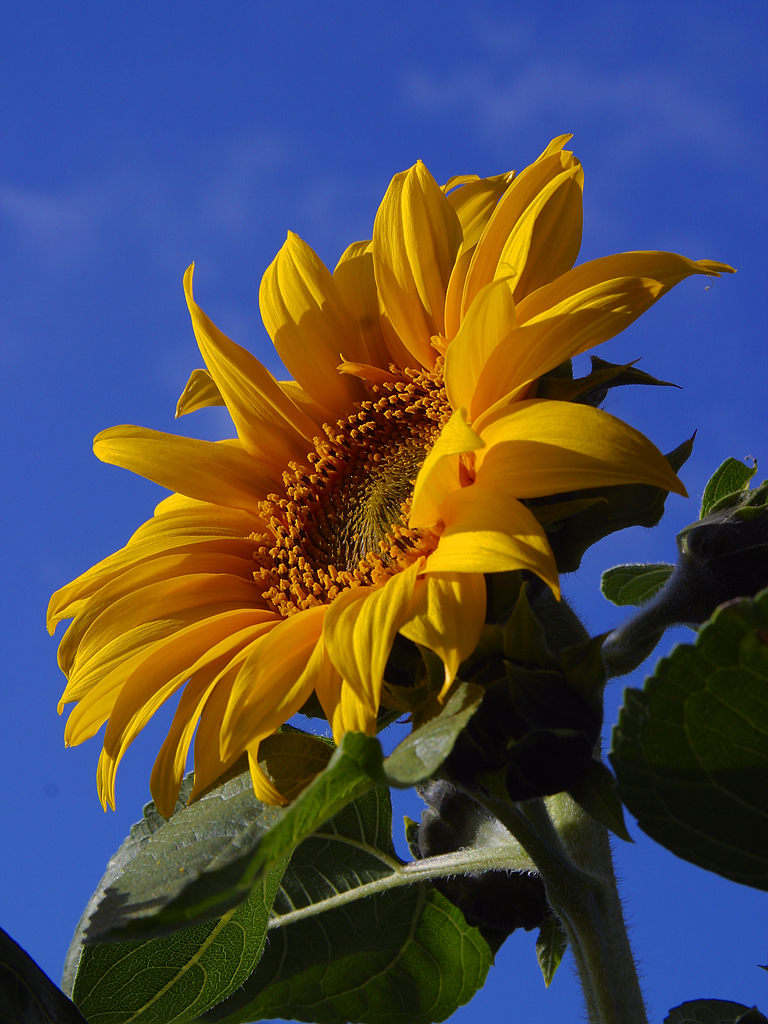 Common sunflowerHelianthus annuus
A tall annual plant grown for its large yellow flower heads and edible seeds
🇨🇦 Canada and 4 more · Wildflower
Common sunflowerHelianthus annuus
A tall annual plant grown for its large yellow flower heads and edible seeds
🇨🇦 Canada and 4 more · Wildflower
 PomegranatePunica granatum
A shrub with bright red flowers and a fruit full of edible seeds
🇮🇷 Iran and 9 more · Flowering shrub
PomegranatePunica granatum
A shrub with bright red flowers and a fruit full of edible seeds
🇮🇷 Iran and 9 more · Flowering shrub
 BirchBetula
Slender trees with papery bark found across the northern world
🇨🇳 China and 7 more · Wildflower
BirchBetula
Slender trees with papery bark found across the northern world
🇨🇳 China and 7 more · Wildflower