
Ipomoea
A large group of twining plants known as morning glories and sweet potatoes
Ipomoea is a genus with over 600 species, found in tropical and subtropical regions worldwide. Its members include morning glories, moonflowers, and sweet potato, with flowers in many colors and forms. People use them for food, medicine, rituals, and decoration.
- Ipomoea includes over 600 species worldwide
- Morning glory and sweet potato are both Ipomoea plants
- Flowers can be blue, red, pink, purple, white, orange, or yellow
- Some species' seeds were used in Aztec rituals
- Ipomoea sepiaria is a sacred flower in Kerala
What does Ipomoea look like?
Ipomoea includes annual and perennial plants that can be twining, trailing, or upright. Some are herbs, others are shrubs, lianas, or small trees. Their leaves are usually simple, sometimes compound. The flowers come in many sizes and shapes, often with five petals, and can be blue, red, pink, purple, white, orange, or yellow. Many species are known for their climbing habit and showy blooms.
Where does Ipomoea come from?
The genus Ipomoea was described by Carl Linnaeus in 1753 and now includes over 600 species. It grows naturally throughout tropical and subtropical regions around the world. The name comes from Greek words meaning 'woodworm-like', referring to the twining stems. Species are found in many habitats, from forests to open fields, and have spread widely through both natural growth and human cultivation.
When and how Ipomoea blooms
Ipomoea species can be annual or perennial. They grow from seeds or tubers, depending on the species. Most thrive in warm climates with plenty of sunlight and can be found climbing on other plants or spreading along the ground. Some, like sweet potato, are grown for their edible parts, while others are planted for their flowers or medicinal uses.


How Ipomoea is used
People use Ipomoea in many ways. In Kerala, Ipomoea sepiaria is one of the ten sacred flowers. Some species, like I. alba, have sap used in processing rubber. The leaves of I. batatas (sweet potato) are eaten as a vegetable. Certain species' seeds have been used in traditional rituals for their psychoactive effects, especially in Mexico. Others are valued in folk medicine for their compounds.
Kinds of Ipomoea
Ipomoea includes many well-known plants, such as morning glory (I. tricolor), moonflower (I. alba), and sweet potato (I. batatas). Some species are grown mainly for their flowers, while others, like sweet potato, are important food crops. There are also species used in traditional medicine and rituals, each with their own local names and uses.
What Ipomoea means
Ipomoea has cultural importance in several regions. In Kerala, one species is a sacred flower. In Mesoamerica, seeds of some species were used in rituals by the Aztecs and Zapotecs. The genus is also known for its role in early rubber production. Its flowers are popular in gardens and as symbols of beauty and fleetingness.
Questions people ask about Ipomoea
Where does Ipomoea come from?
Ipomoea is found throughout tropical and subtropical regions of the world. Its many species grow wild in a variety of habitats, from forests to open fields.
What are common uses of Ipomoea plants?
People use Ipomoea species for food, such as sweet potato leaves, in traditional medicine, and in rituals. Some are grown for their flowers in gardens, while others have been used for their psychoactive seeds or sap.
What do Ipomoea flowers look like?
Ipomoea flowers vary in size and shape, often with five petals. They come in many colors, including blue, red, pink, purple, white, orange, and yellow.
Are any Ipomoea species important in culture or religion?
Yes, Ipomoea sepiaria is one of the ten sacred flowers in Kerala, and some species' seeds were used in Aztec and Zapotec rituals.
What is the meaning of the name Ipomoea?
The name Ipomoea comes from Greek words meaning 'woodworm-like', referring to the twining habit of the plants.
Good reading and sources
- Encyclopaedia BritannicaArticle
- USDA Plants DatabaseUS Department of Agriculture, Article
- Diversification of ergot alkaloids and heritable fungal symbionts in morning gloriesNature, Article
- Plants of the World OnlineRoyal Botanic Gardens, Kew, Plant database
- Where it has been recordedGBIF, Plant database
- Sightings and photos by naturalistsiNaturalist, Plant database
The facts on this page come from the Wikipedia article "Ipomoea", written by its contributors and used under the CC BY-SA 4.0 licence, and from its Wikidata record (CC0). Phool rewrote the text in its own words, with AI assistance, and compares every page with the article to make sure no passage is copied. It may be reused under the same CC BY-SA 4.0 licence with a link back.
It may contain mistakes. It is not medical or foraging advice: many flowers are poisonous, and traditional uses are reported, not recommended. If something is wrong, tell us. Last refreshed 2026-10-03.
Others in the family Convolvulaceae
The whole family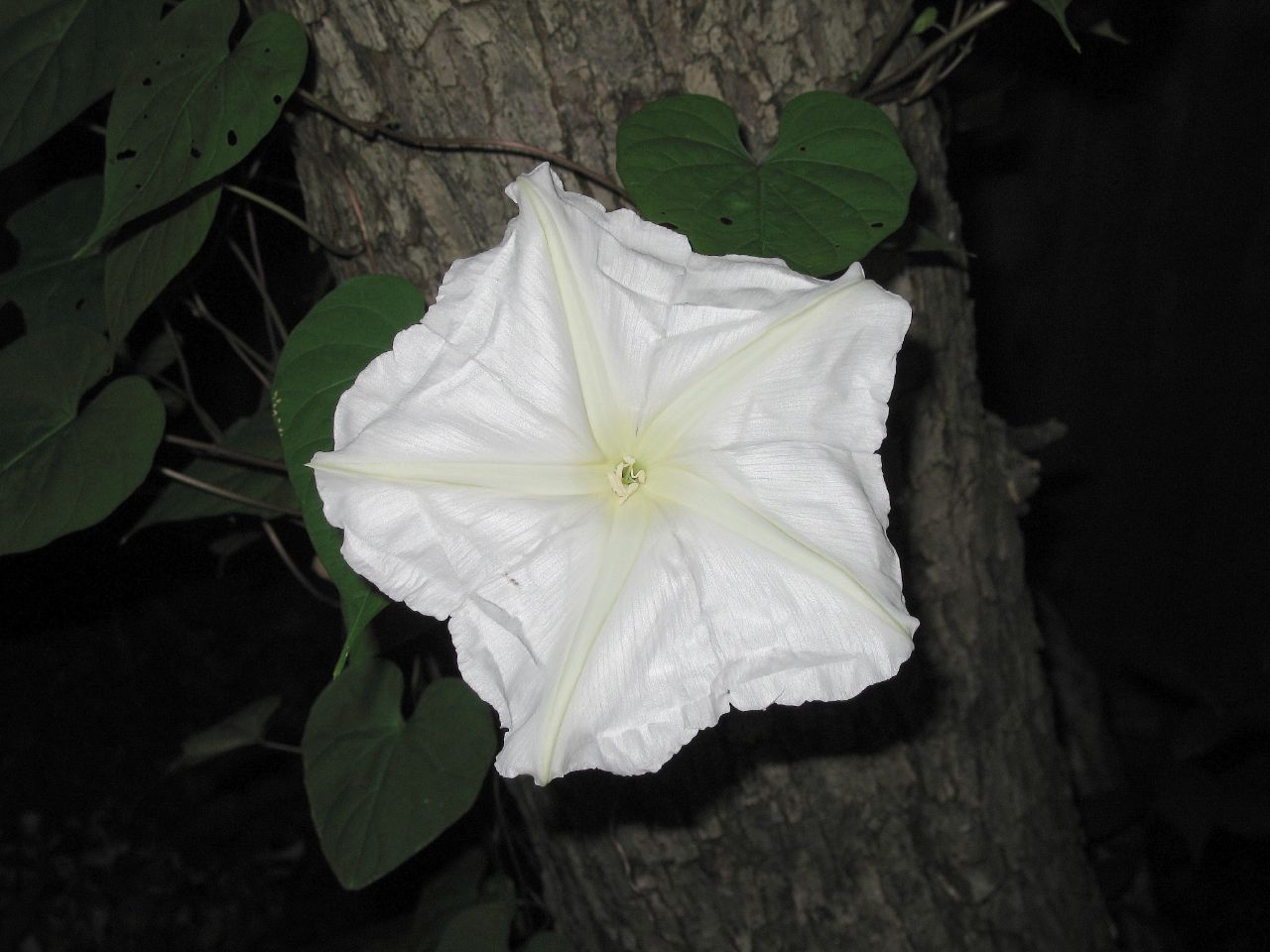 MoonflowerIpomoea alba
A night-blooming vine with large white fragrant flowers
🇨🇳 China and 4 more · Wildflower
MoonflowerIpomoea alba
A night-blooming vine with large white fragrant flowers
🇨🇳 China and 4 more · Wildflower
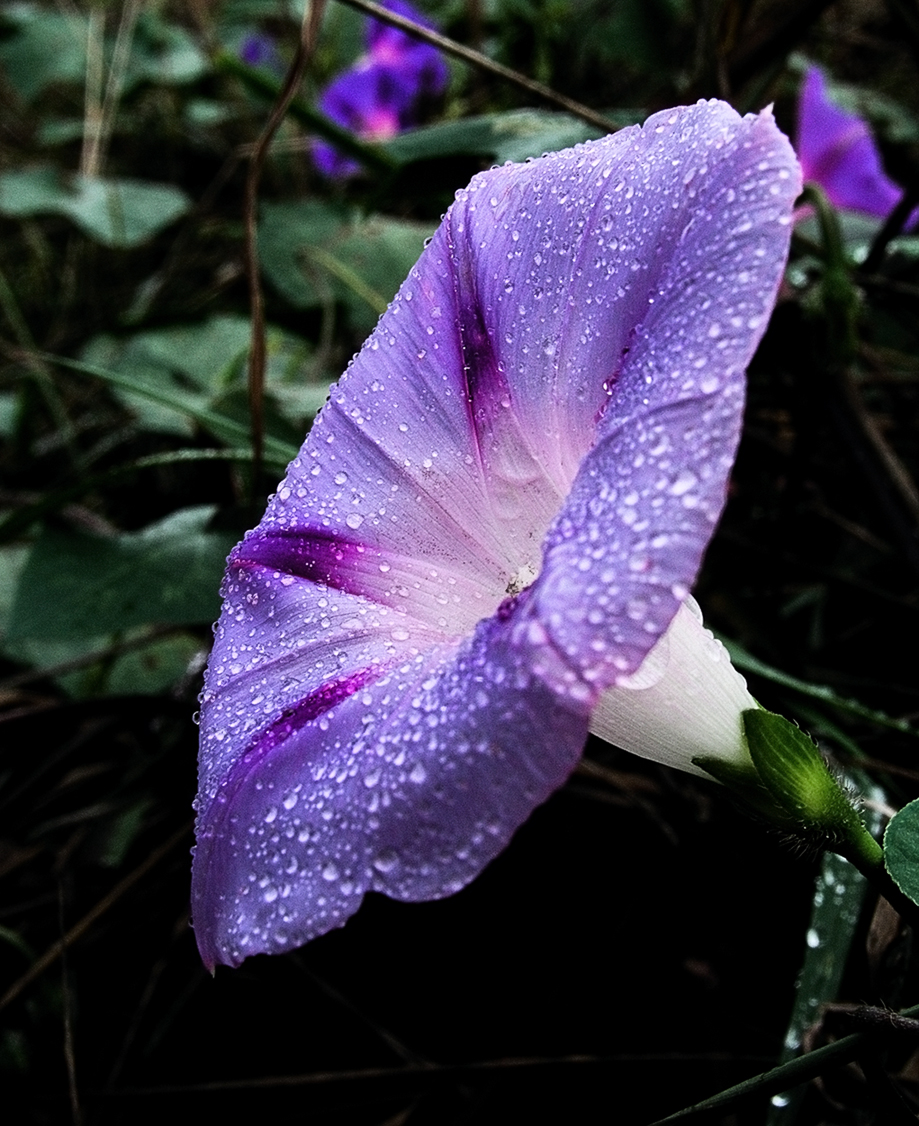 Tall morning-gloryIpomoea purpurea
A twining vine with blue, purple, or white trumpet-shaped flowers
🇨🇳 China and 1 more · Wildflower
Tall morning-gloryIpomoea purpurea
A twining vine with blue, purple, or white trumpet-shaped flowers
🇨🇳 China and 1 more · Wildflower
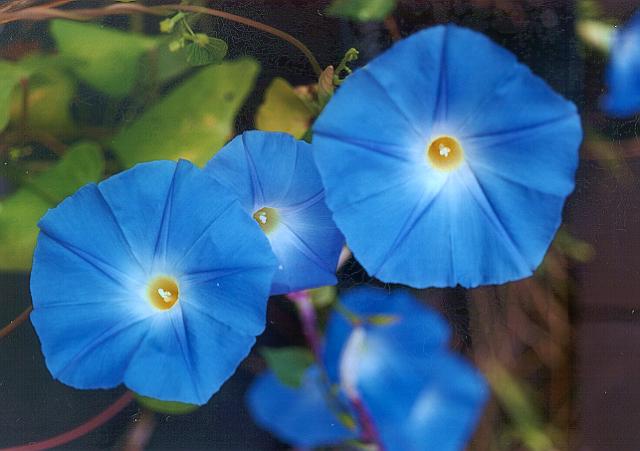 Mexican morning gloryIpomoea tricolor
A blue-flowered climber grown as an annual in gardens and fields
🇲🇽 Mexico · Garden flower
Mexican morning gloryIpomoea tricolor
A blue-flowered climber grown as an annual in gardens and fields
🇲🇽 Mexico · Garden flower
 Blue morning gloryIpomoea indica
A fast-growing vine with vivid blue funnel flowers that fade to pink by dusk
🇺🇸 United States and 7 more · Climber
Blue morning gloryIpomoea indica
A fast-growing vine with vivid blue funnel flowers that fade to pink by dusk
🇺🇸 United States and 7 more · Climber