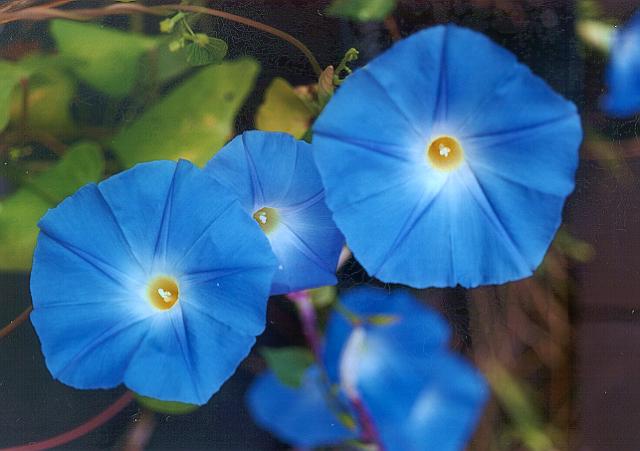
Mexican morning glory
Ipomoea tricolor, family Convolvulaceae
A blue-flowered climber grown as an annual in gardens and fields
Mexican morning glory is a twining plant with trumpet-shaped blue flowers and a white or yellow centre. Native to the American tropics, it is widely grown as an ornamental and sometimes used as a cover crop in Mexico. Its seeds contain alkaloids and are considered toxic.
- Native to the tropical Americas, especially Mexico
- Trumpet-shaped blue flowers with white or yellow centres
- Seeds contain toxic alkaloids and are not safe to eat
- 'Heavenly Blue' is a popular garden variety
- Used as a cover crop to control weeds in Mexican fields
What does Mexican morning glory look like?
Mexican morning glory is a climbing plant that grows 2 to 4 metres tall. Its leaves are arranged in a spiral and are 3 to 7 centimetres long. The flowers are trumpet-shaped, usually blue with a white to golden yellow centre, and measure 4 to 9 centimetres across. The plant can be annual or perennial and twines around supports. It is most often seen in gardens or covering walls and fences.
Where does Mexican morning glory come from?
This species comes from the tropical regions of the Americas. It is especially associated with Mexico, where it is also used in agriculture. Over time, it has been widely cultivated and has naturalised in many other warm regions. The plant is sometimes grown under the wrong name, as Ipomoea violacea, which is a related but different species.
When and how Mexican morning glory blooms
Mexican morning glory is usually grown as an annual in temperate climates because it does not tolerate cold below 5°C. It prefers a sunny, sheltered spot, such as a south- or west-facing wall. Gardeners sow seeds in warm weather, and the plant quickly climbs and flowers. Many cultivars have been bred for different flower colours, with 'Heavenly Blue' being especially popular.


How Mexican morning glory is used
The plant is widely grown for its attractive flowers in gardens and as a decorative climber. In Mexico, farmers use it as a cover crop to control weeds, as it inhibits the growth of unwanted plants but does not harm crops like sugarcane. All parts of the plant, especially the seeds, are considered toxic and may cause discomfort if eaten.
Kinds of Mexican morning glory
There are many cultivars of Mexican morning glory, selected for their flower colours. 'Heavenly Blue' is a well-known variety that has received awards for garden merit. In this cultivar, the flower colour changes from red to blue as it opens, due to changes in the chemistry of the petals.
What Mexican morning glory means
In Mexico, this plant is sometimes called Ololiuqui or Tlitliltzin. Its seeds contain alkaloids, and warnings are often placed on seed packets about their toxicity. The plant is valued both for its ornamental use and for its role in traditional farming as a natural weed suppressant. Some supermarkets have stopped selling its seeds due to concerns about misuse.
Where Mexican morning glory is used and seen

Questions people ask about Mexican morning glory
Where does Mexican morning glory come from?
Mexican morning glory is native to the tropical regions of the Americas, especially Mexico. It is now cultivated and naturalised in many warm parts of the world.
What does Mexican morning glory look like?
It is a climbing plant with spirally arranged leaves and trumpet-shaped flowers, most often blue with a white or yellow centre. The flowers are 4 to 9 centimetres across.
Is Mexican morning glory poisonous?
Yes, all parts of the plant, especially the seeds, are considered toxic and may cause discomfort if eaten. Seed packets often carry warnings about their toxicity.
How is Mexican morning glory used?
It is grown as an ornamental climber in gardens and used in Mexico as a cover crop to suppress weeds. Some cultivars are especially valued for their flower colour.
Does Mexican morning glory have any special meaning?
In Mexico, it is known by names like Ololiuqui and Tlitliltzin and is valued for both its beauty and its use in traditional farming.
Good reading and sources
- Ipomoea tricolor 'Heavenly Blue'Royal Horticultural Society, Article
- USDA Plants DatabaseUS Department of Agriculture, Article
- Plants of the World OnlineRoyal Botanic Gardens, Kew, Plant database
- Where it has been recordedGBIF, Plant database
- Sightings and photos by naturalistsiNaturalist, Plant database
- Ipomoea tricolor on WikipediaEncyclopedia
- More photos on Wikimedia CommonsPhotos
- Wikidata recordOpen data
The facts on this page come from the Wikipedia article "Ipomoea tricolor", written by its contributors and used under the CC BY-SA 4.0 licence, and from its Wikidata record (CC0). Phool rewrote the text in its own words, with AI assistance, and compares every page with the article to make sure no passage is copied. It may be reused under the same CC BY-SA 4.0 licence with a link back.
It may contain mistakes. It is not medical or foraging advice: many flowers are poisonous, and traditional uses are reported, not recommended. If something is wrong, tell us. Last refreshed 2026-10-03.
Others in the family Convolvulaceae
The whole family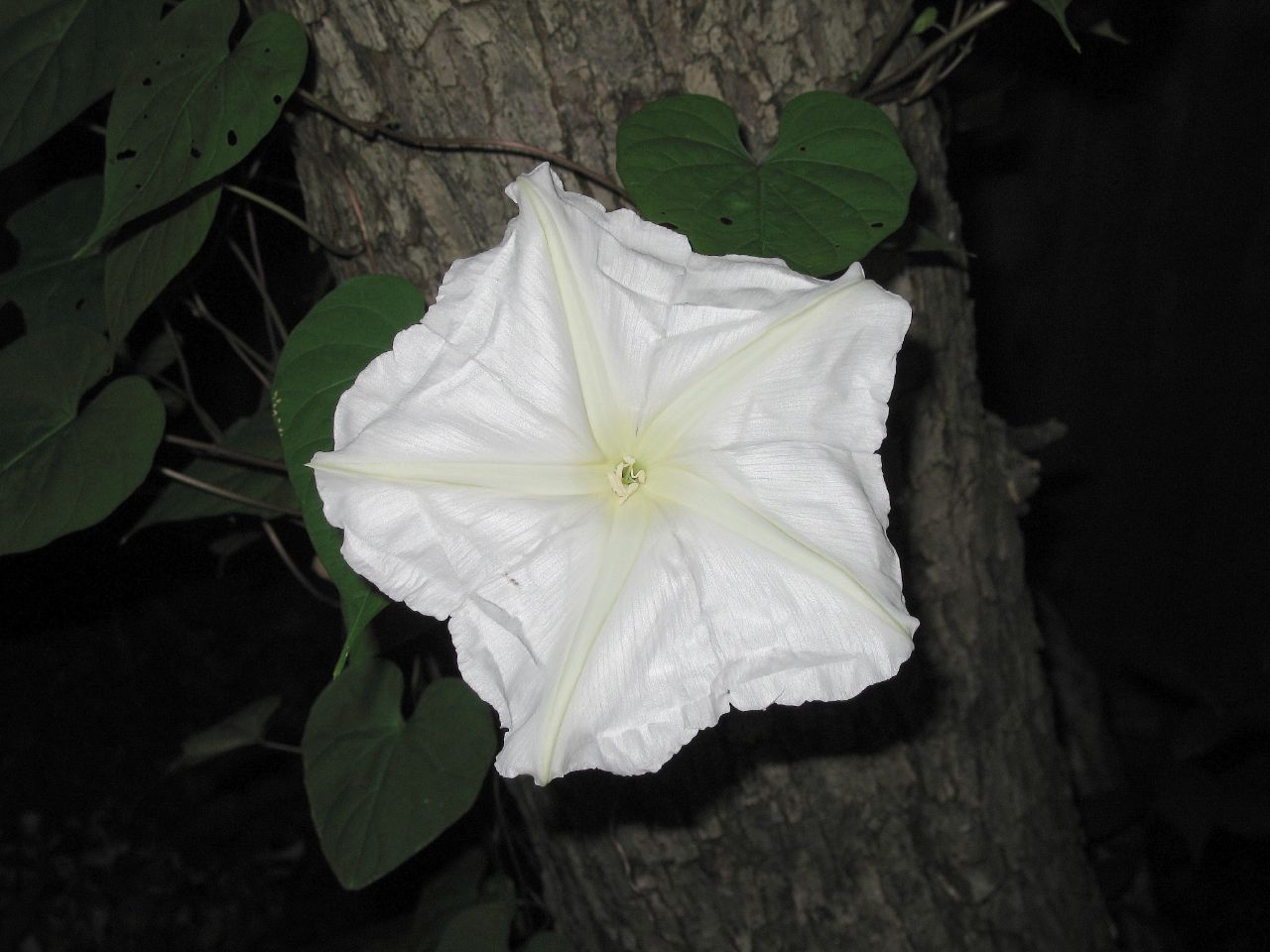 MoonflowerIpomoea alba
A night-blooming vine with large white fragrant flowers
🇨🇳 China and 4 more · Wildflower
MoonflowerIpomoea alba
A night-blooming vine with large white fragrant flowers
🇨🇳 China and 4 more · Wildflower
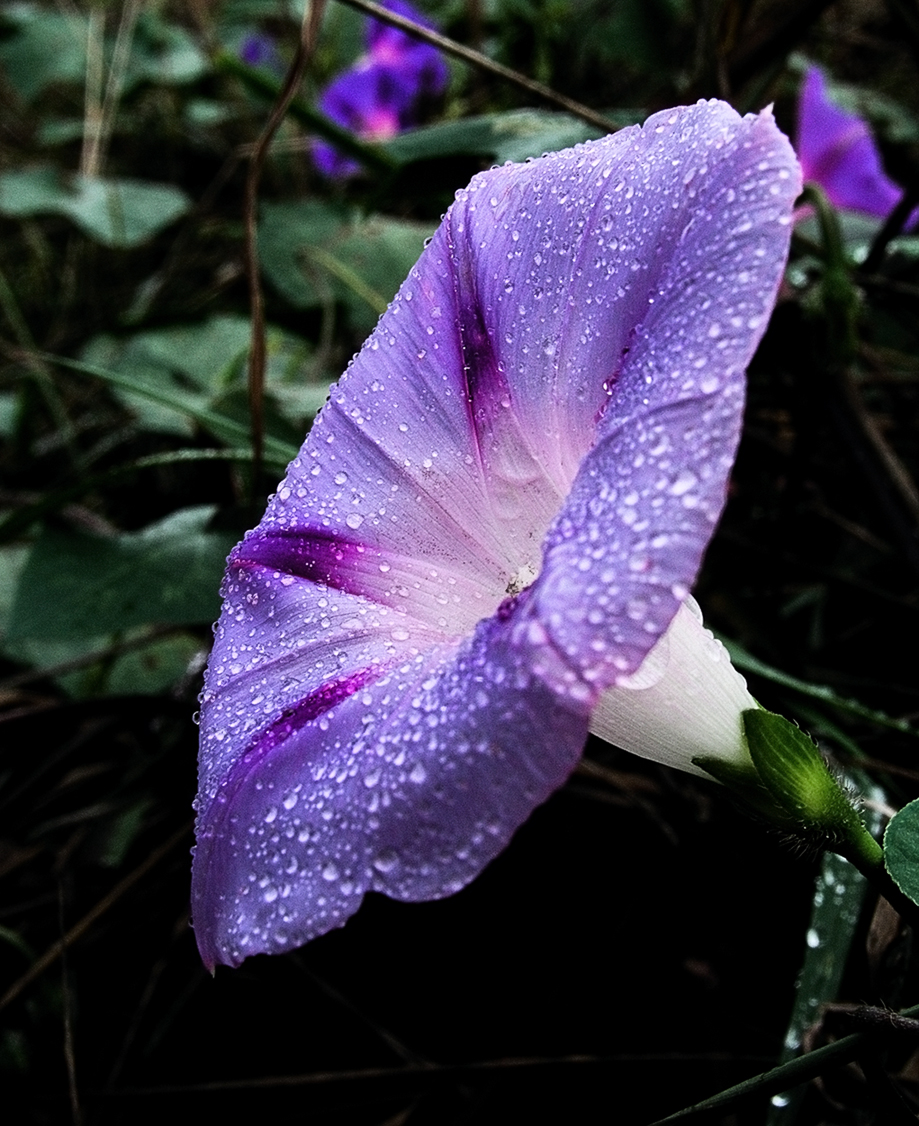 Tall morning-gloryIpomoea purpurea
A twining vine with blue, purple, or white trumpet-shaped flowers
🇨🇳 China and 1 more · Wildflower
Tall morning-gloryIpomoea purpurea
A twining vine with blue, purple, or white trumpet-shaped flowers
🇨🇳 China and 1 more · Wildflower
 Blue morning gloryIpomoea indica
A fast-growing vine with vivid blue funnel flowers that fade to pink by dusk
🇺🇸 United States and 7 more · Climber
Blue morning gloryIpomoea indica
A fast-growing vine with vivid blue funnel flowers that fade to pink by dusk
🇺🇸 United States and 7 more · Climber
 Elephant creeperArgyreia nervosa
A climbing vine from Asia with large leaves and psychoactive seeds
🇮🇳 India · Wildflower
Elephant creeperArgyreia nervosa
A climbing vine from Asia with large leaves and psychoactive seeds
🇮🇳 India · Wildflower
More from Mexico
All the flowers of Mexico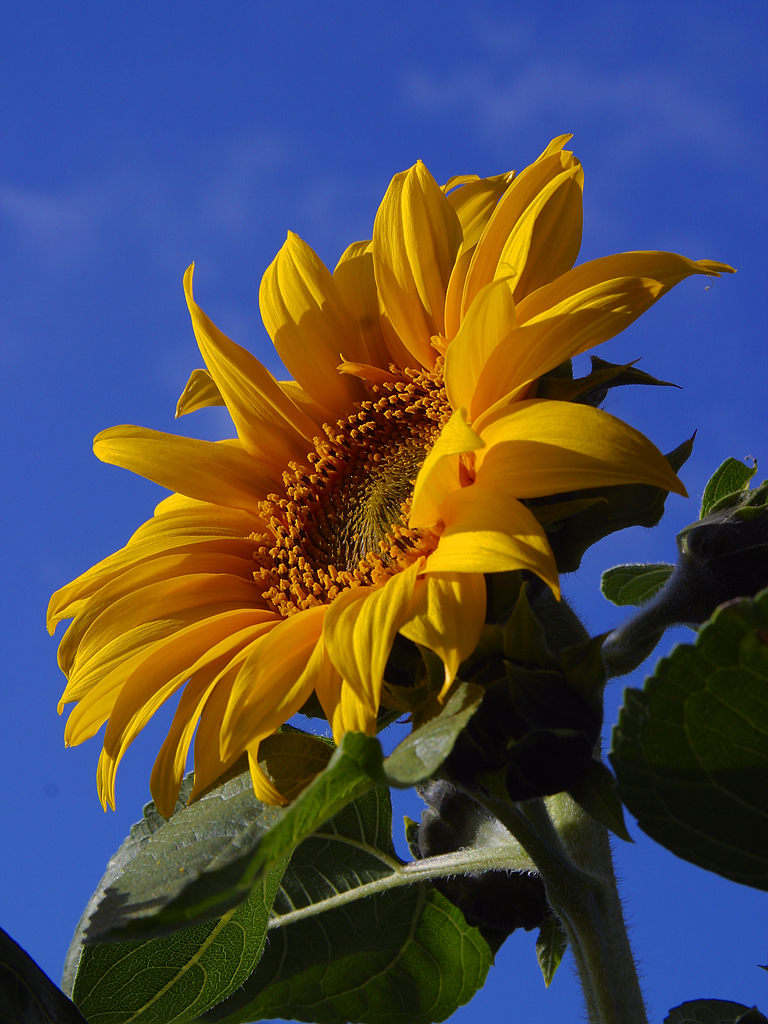 Common sunflowerHelianthus annuus
A tall annual plant grown for its large yellow flower heads and edible seeds
🇨🇦 Canada and 4 more · Wildflower
Common sunflowerHelianthus annuus
A tall annual plant grown for its large yellow flower heads and edible seeds
🇨🇦 Canada and 4 more · Wildflower
 CactusCactaceae
Succulent plants with spines, native to the Americas
🇲🇽 Mexico and 7 more · Wildflower
CactusCactaceae
Succulent plants with spines, native to the Americas
🇲🇽 Mexico and 7 more · Wildflower
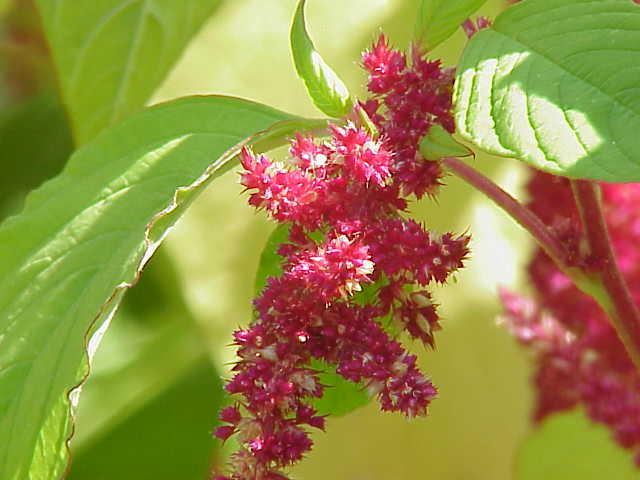 AmaranthAmaranthus
A tall, colourful plant grown for its flowers, leaves and edible seeds
🇲🇽 Mexico and 7 more · Wildflower
AmaranthAmaranthus
A tall, colourful plant grown for its flowers, leaves and edible seeds
🇲🇽 Mexico and 7 more · Wildflower
 HawthornCrataegus
A thorny shrub or tree with white or pink spring flowers and small edible fruits
🇮🇪 Ireland and 7 more · Wildflower
HawthornCrataegus
A thorny shrub or tree with white or pink spring flowers and small edible fruits
🇮🇪 Ireland and 7 more · Wildflower