
Elephant creeper
Argyreia nervosa, family Convolvulaceae
A climbing vine from Asia with large leaves and psychoactive seeds
Elephant creeper is a perennial vine native to parts of Asia, now found in places like Hawaii, Africa, and the Caribbean. Its broad leaves and climbing stems make it popular in gardens, while its seeds are known for their strong psychoactive effects and use in traditional Indian medicine.
- Seeds contain strong psychoactive alkaloids
- Native to India and parts of southern China
- Used in Ayurveda, especially the root
- Introduced to Hawaii, Africa, and the Caribbean
What does Elephant creeper look like?
Elephant creeper is a vigorous vine that climbs using twining stems. Its leaves are large, heart-shaped, and covered with fine hairs, giving them a woolly look. The plant produces clusters of flowers, but the sources do not describe their color or scent. It is often grown for its lush foliage and ability to cover trellises and walls quickly. The seeds are especially notable for their chemical content.
Where does Elephant creeper come from?
This plant is native to the Indian subcontinent and parts of southern China, such as Tibet and Guangdong. It has been introduced to many tropical and subtropical regions worldwide, including Hawaii, where it is now widely grown. Despite the name 'Hawaiian baby woodrose,' it did not originate in Hawaii. Its spread is due to both ornamental planting and its reputation for medicinal and psychoactive uses.
When and how Elephant creeper blooms
Elephant creeper thrives in warm climates and is grown outdoors in sunny spots with moist, well-drained soil. In cooler areas, it is kept in greenhouses. Gardeners often train it over supports like arbours or pergolas. Professional growers may use loam-based compost and adjust watering and feeding through the year, with pruning done in late winter.


How Elephant creeper is used
In India, the roots of elephant creeper have a history of use in Ayurvedic medicine, where they are valued for their supposed effects on the mind and body. The seeds contain several alkaloids and are known for their strong psychoactive properties, but there is no evidence of traditional ceremonial use. The plant is sometimes grown for its decorative foliage.
Kinds of Elephant creeper
There are two main varieties: Argyreia nervosa var. nervosa and Argyreia nervosa var. speciosa. The latter is especially noted for its use in Ayurveda. The seeds and roots differ in their chemical makeup and traditional uses.
What Elephant creeper means
Although sometimes called 'Hawaiian baby woodrose,' the plant is not native to Hawaii and has no deep-rooted role in Hawaiian tradition. Its seeds became known for their psychoactive effects only in the 20th century. In India, it is recognized for its place in traditional medicine, but its use as an entheogen is not part of established religious practice.
Questions people ask about Elephant creeper
Where does elephant creeper come from?
Elephant creeper is native to the Indian subcontinent and parts of southern China, such as Tibet and Guangdong. It has also been introduced to many tropical regions worldwide.
What is elephant creeper used for?
The plant's roots are used in traditional Indian medicine, while its seeds are known for their psychoactive alkaloids. It is also grown as a decorative climbing vine.
Are the seeds of elephant creeper traditionally used in ceremonies?
There is no evidence that the seeds were used in traditional religious or ceremonial practices. Their psychoactive properties became widely known only in the 20th century.
Is elephant creeper toxic?
The plant contains alkaloids that can be toxic, and its seeds have unpredictable effects due to their psychoactive compounds.
What does the plant look like?
Elephant creeper is a climbing vine with large, woolly, heart-shaped leaves. It produces clusters of flowers, but the sources do not specify their appearance.
Good reading and sources
- USDA Plants DatabaseUS Department of Agriculture, Article
- Plants of the World OnlineRoyal Botanic Gardens, Kew, Plant database
- Where it has been recordedGBIF, Plant database
- Sightings and photos by naturalistsiNaturalist, Plant database
- Argyreia nervosa on WikipediaEncyclopedia
- More photos on Wikimedia CommonsPhotos
- Wikidata recordOpen data
The facts on this page come from the Wikipedia article "Argyreia nervosa", written by its contributors and used under the CC BY-SA 4.0 licence, and from its Wikidata record (CC0). Phool rewrote the text in its own words, with AI assistance, and compares every page with the article to make sure no passage is copied. It may be reused under the same CC BY-SA 4.0 licence with a link back.
It may contain mistakes. It is not medical or foraging advice: many flowers are poisonous, and traditional uses are reported, not recommended. If something is wrong, tell us. Last refreshed 2026-10-03.
Others in the family Convolvulaceae
The whole family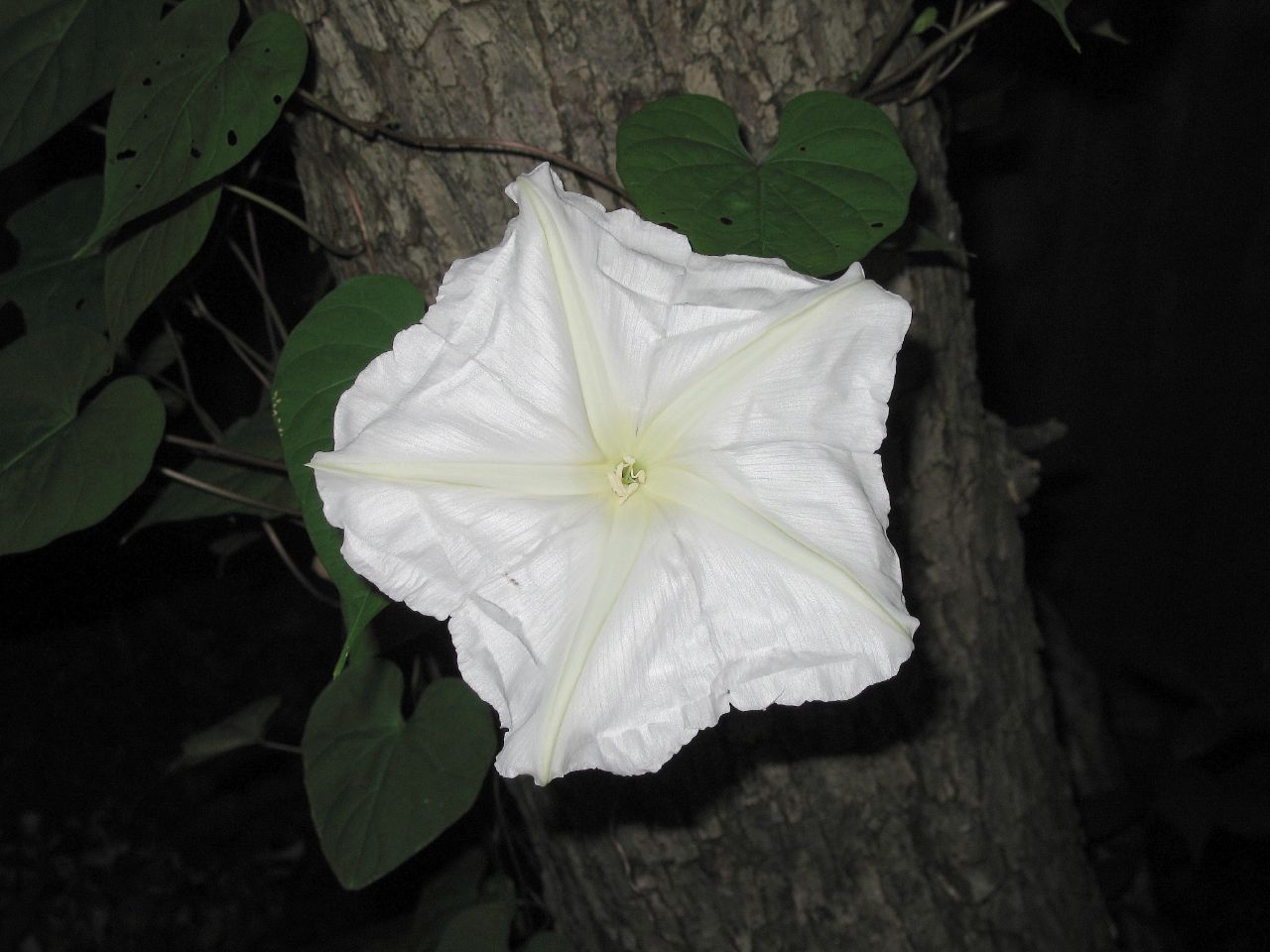 MoonflowerIpomoea alba
A night-blooming vine with large white fragrant flowers
🇨🇳 China and 4 more · Wildflower
MoonflowerIpomoea alba
A night-blooming vine with large white fragrant flowers
🇨🇳 China and 4 more · Wildflower
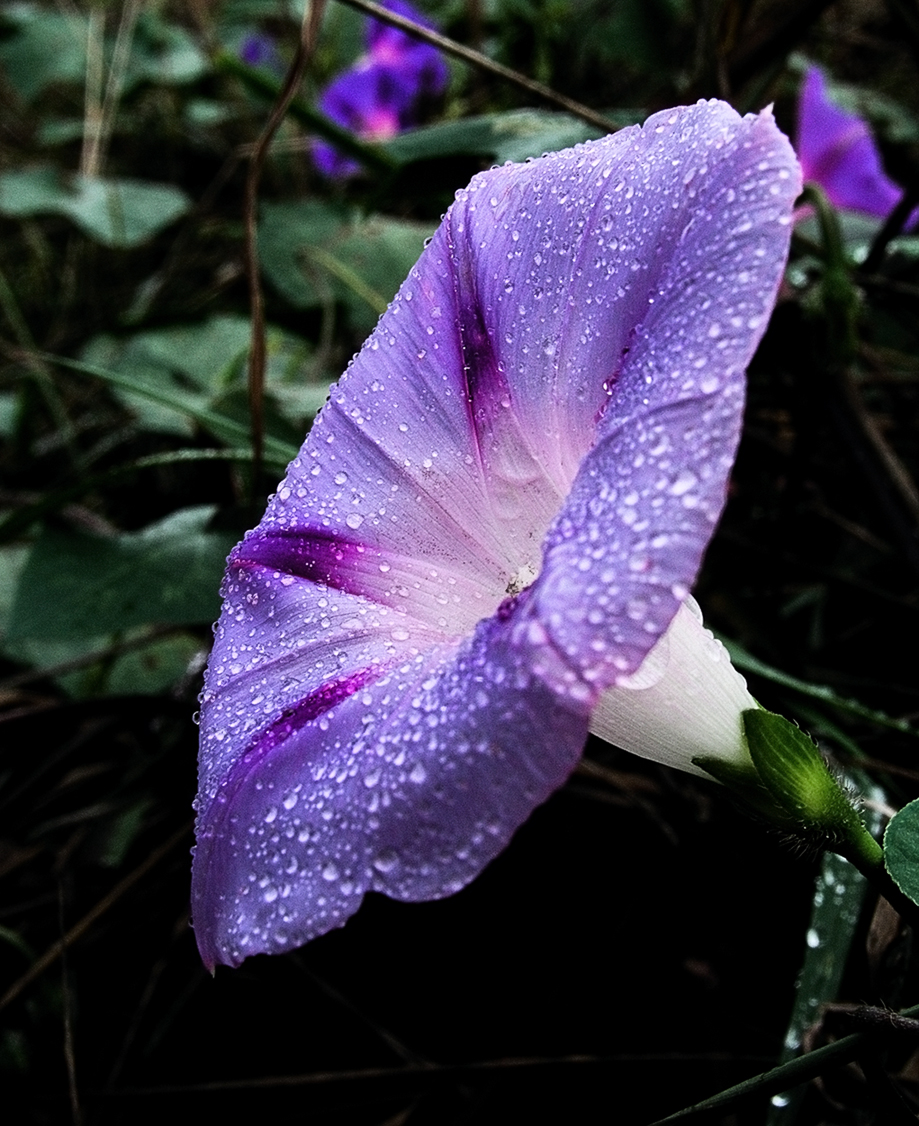 Tall morning-gloryIpomoea purpurea
A twining vine with blue, purple, or white trumpet-shaped flowers
🇨🇳 China and 1 more · Wildflower
Tall morning-gloryIpomoea purpurea
A twining vine with blue, purple, or white trumpet-shaped flowers
🇨🇳 China and 1 more · Wildflower
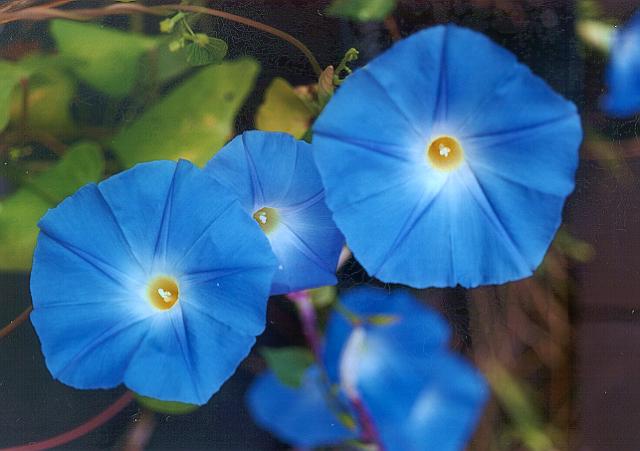 Mexican morning gloryIpomoea tricolor
A blue-flowered climber grown as an annual in gardens and fields
🇲🇽 Mexico · Garden flower
Mexican morning gloryIpomoea tricolor
A blue-flowered climber grown as an annual in gardens and fields
🇲🇽 Mexico · Garden flower
 Ipomoea nil
A twining annual vine with trumpet-shaped blooms in many colors
🇨🇳 China and 2 more · Garden flower
Ipomoea nil
A twining annual vine with trumpet-shaped blooms in many colors
🇨🇳 China and 2 more · Garden flower
More from India
All the flowers of India PeachPrunus persica
A flowering fruit tree from China, grown for its pink blossoms and sweet fruit
🇨🇳 China and 7 more · Flowering tree
PeachPrunus persica
A flowering fruit tree from China, grown for its pink blossoms and sweet fruit
🇨🇳 China and 7 more · Flowering tree
 PomegranatePunica granatum
A shrub with bright red flowers and a fruit full of edible seeds
🇮🇷 Iran and 9 more · Flowering shrub
PomegranatePunica granatum
A shrub with bright red flowers and a fruit full of edible seeds
🇮🇷 Iran and 9 more · Flowering shrub
 TulipTulipa
Spring-blooming bulbs with showy, cup-shaped flowers in many colours
🇳🇱 Netherlands and 7 more · Wildflower
TulipTulipa
Spring-blooming bulbs with showy, cup-shaped flowers in many colours
🇳🇱 Netherlands and 7 more · Wildflower
 FennelFoeniculum vulgare
A tall, aromatic herb with feathery leaves and yellow umbels, used for food and spice
🇨🇳 China and 7 more · Herb or useful flower
FennelFoeniculum vulgare
A tall, aromatic herb with feathery leaves and yellow umbels, used for food and spice
🇨🇳 China and 7 more · Herb or useful flower