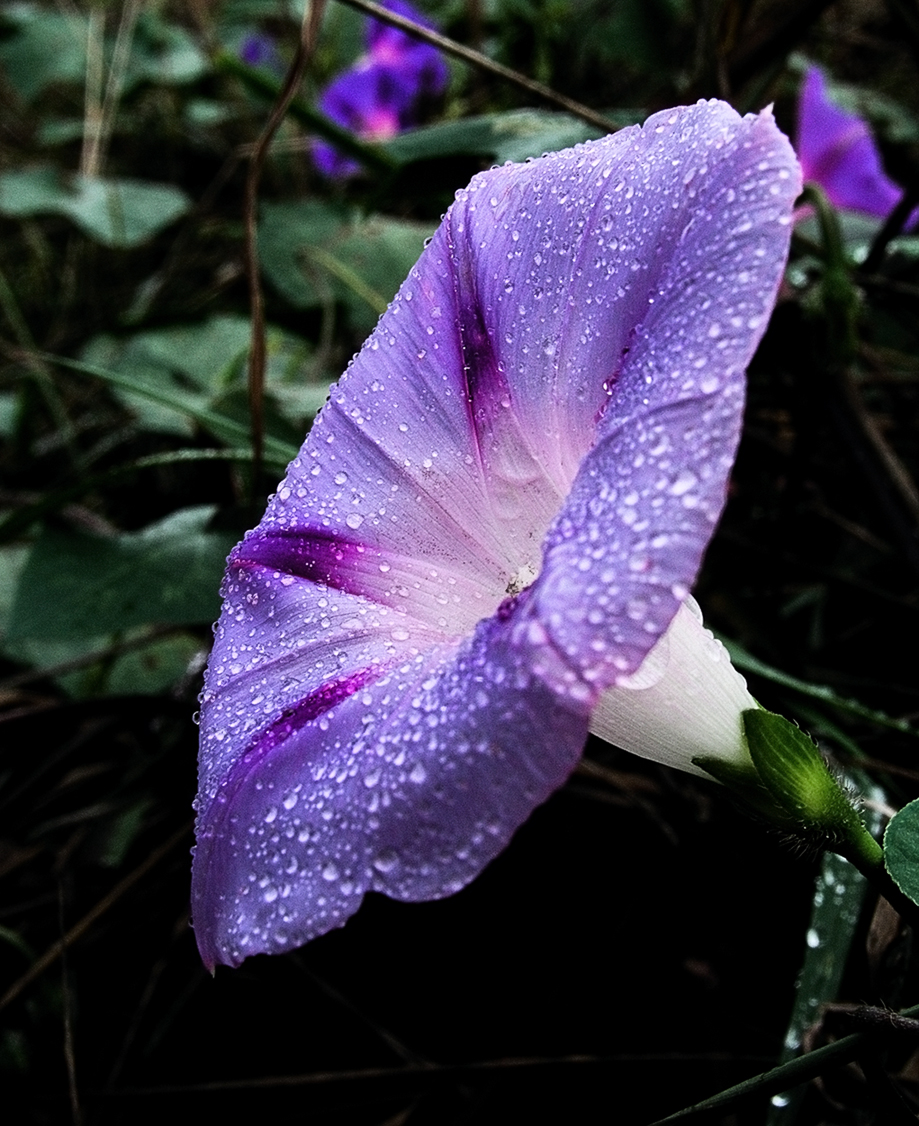
Tall morning-glory
Ipomoea purpurea, family Convolvulaceae
A twining vine with blue, purple, or white trumpet-shaped flowers
Tall morning-glory is a climbing plant from Mexico and Central America, now found in warm regions worldwide. Its heart-shaped leaves and trumpet flowers, which come in shades of blue, purple, or white, make it popular in gardens, though it can also become weedy.
- Native to Mexico and Central America
- Climbs up to 3 meters by twining around supports
- Flowers open in the morning and close later in the day
- Grown for its blue, purple, white, or red trumpet-shaped blooms
- Can become invasive outside its native range
What does Tall morning-glory look like?
Tall morning-glory is a fast-growing vine that wraps itself around fences, trellises, or other supports, reaching up to 2–3 meters high. Its leaves are shaped like hearts, and the stems have a covering of brown hairs. The plant produces trumpet-like flowers, which are usually blue or purple but can also be white, pink, or red, measuring about 3–6 centimeters across.
Where does Tall morning-glory come from?
This species is native to Mexico and Central America, where it grows in the wild. Over time, it has spread to many other warm and subtropical parts of the world, often escaping gardens and becoming established in new places. In some areas, it is considered a weed because it grows quickly and can take over spaces meant for other plants.
When and how Tall morning-glory blooms
Morning-glory thrives in moist, rich soils but is adaptable to many soil types. It is usually grown from seed and climbs by twining its stems around nearby objects. The plant blooms in warm weather, with flowers opening in the morning and closing later in the day.


How Tall morning-glory is used
People often grow tall morning-glory for its colorful flowers, which brighten up fences and garden walls. While it is valued for its looks, in some regions it is also seen as invasive and can be hard to control once established.
Kinds of Tall morning-glory
There are several named varieties, each with unique flower colors and patterns. Some have deep purple or red-violet blooms, while others are white with colored markings. These cultivars are chosen for their decorative appeal in gardens.
What Tall morning-glory means
Although not tied to specific festivals or religious practices, tall morning-glory is widely recognized as an ornamental plant. Its rapid growth and vibrant flowers have made it a favorite in home gardens, but also a concern where it spreads unchecked.
Questions people ask about Tall morning-glory
Where does tall morning-glory come from?
Tall morning-glory is originally from Mexico and Central America, but it now grows in many warm and subtropical regions around the world.
What does the flower look like?
The plant has heart-shaped leaves and trumpet-shaped flowers that are usually blue or purple, but can also be white, pink, or red. The flowers are about 3–6 centimeters wide.
How is tall morning-glory used?
It is mainly grown as an ornamental plant in gardens, where it climbs fences and trellises, adding color with its flowers.
Is tall morning-glory considered invasive?
Yes, in many areas outside its native range, it can spread quickly and is sometimes considered a weed.
Are there different varieties of this plant?
Yes, there are several cultivars with different flower colors and markings, chosen for their decorative value.
Good reading and sources
- Encyclopaedia BritannicaArticle
- USDA Plants DatabaseUS Department of Agriculture, Article
- Plants of the World OnlineRoyal Botanic Gardens, Kew, Plant database
- Where it has been recordedGBIF, Plant database
- Sightings and photos by naturalistsiNaturalist, Plant database
- Ipomoea purpurea on WikipediaEncyclopedia
- More photos on Wikimedia CommonsPhotos
- Wikidata recordOpen data
The facts on this page come from the Wikipedia article "Ipomoea purpurea", written by its contributors and used under the CC BY-SA 4.0 licence, and from its Wikidata record (CC0). Phool rewrote the text in its own words, with AI assistance, and compares every page with the article to make sure no passage is copied. It may be reused under the same CC BY-SA 4.0 licence with a link back.
It may contain mistakes. It is not medical or foraging advice: many flowers are poisonous, and traditional uses are reported, not recommended. If something is wrong, tell us. Last refreshed 2026-10-03.
Others in the family Convolvulaceae
The whole family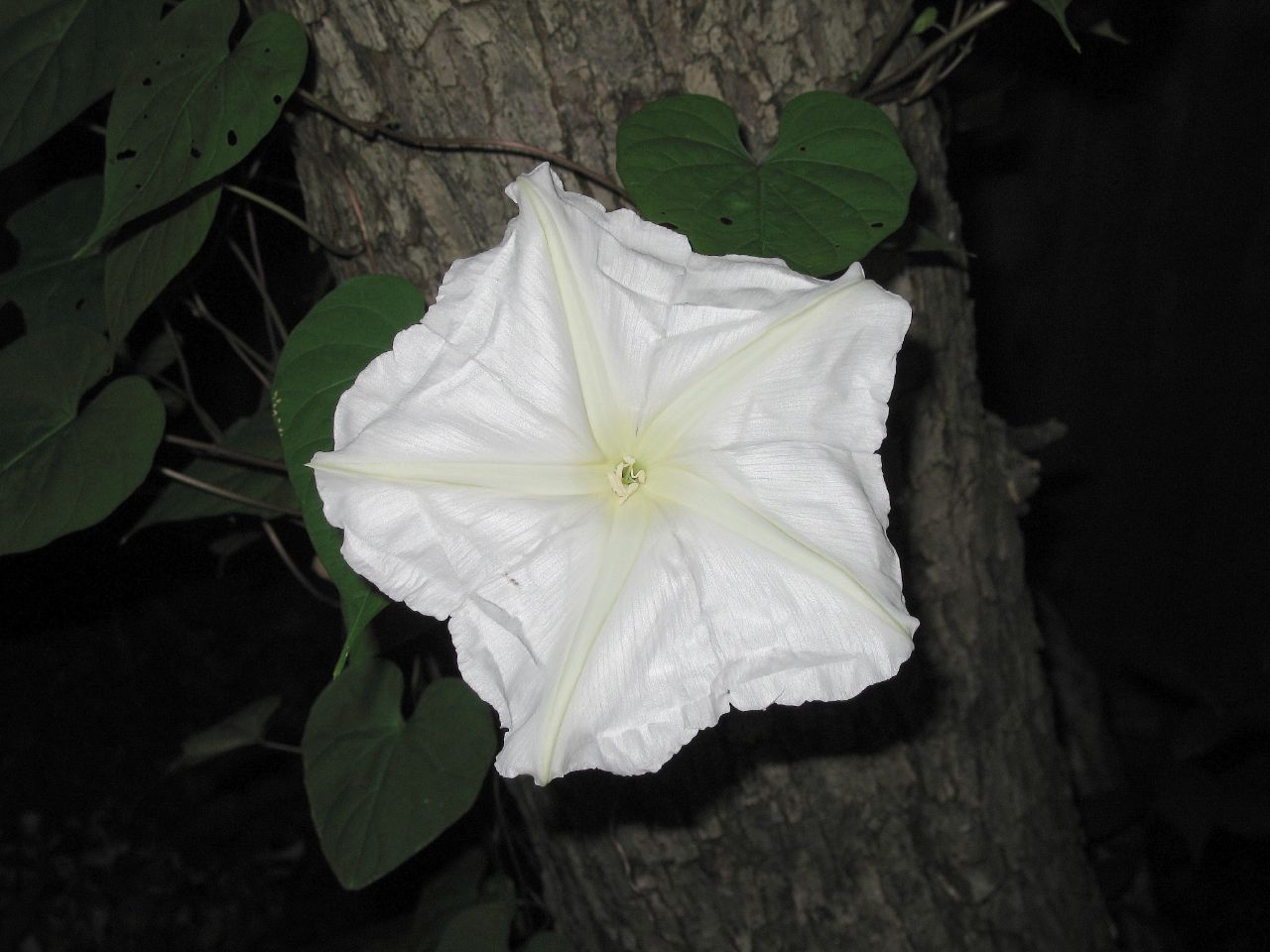 MoonflowerIpomoea alba
A night-blooming vine with large white fragrant flowers
🇨🇳 China and 4 more · Wildflower
MoonflowerIpomoea alba
A night-blooming vine with large white fragrant flowers
🇨🇳 China and 4 more · Wildflower
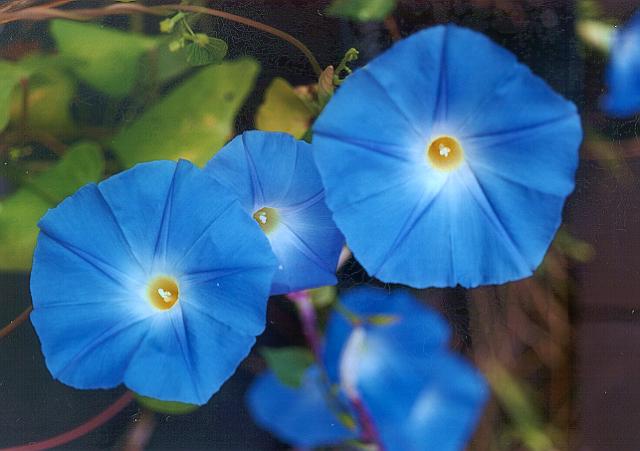 Mexican morning gloryIpomoea tricolor
A blue-flowered climber grown as an annual in gardens and fields
🇲🇽 Mexico · Garden flower
Mexican morning gloryIpomoea tricolor
A blue-flowered climber grown as an annual in gardens and fields
🇲🇽 Mexico · Garden flower
 Blue morning gloryIpomoea indica
A fast-growing vine with vivid blue funnel flowers that fade to pink by dusk
🇺🇸 United States and 7 more · Climber
Blue morning gloryIpomoea indica
A fast-growing vine with vivid blue funnel flowers that fade to pink by dusk
🇺🇸 United States and 7 more · Climber
 Elephant creeperArgyreia nervosa
A climbing vine from Asia with large leaves and psychoactive seeds
🇮🇳 India · Wildflower
Elephant creeperArgyreia nervosa
A climbing vine from Asia with large leaves and psychoactive seeds
🇮🇳 India · Wildflower
More from China
All the flowers of China PeachPrunus persica
A flowering fruit tree from China, grown for its pink blossoms and sweet fruit
🇨🇳 China and 7 more · Flowering tree
PeachPrunus persica
A flowering fruit tree from China, grown for its pink blossoms and sweet fruit
🇨🇳 China and 7 more · Flowering tree
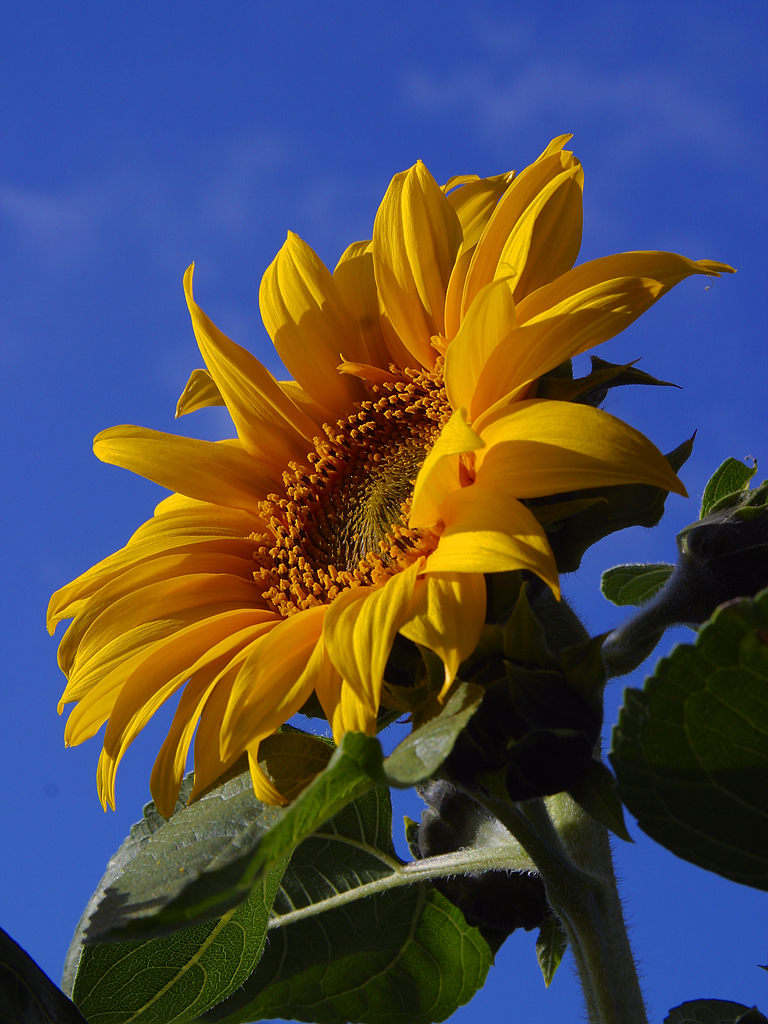 Common sunflowerHelianthus annuus
A tall annual plant grown for its large yellow flower heads and edible seeds
🇨🇦 Canada and 4 more · Wildflower
Common sunflowerHelianthus annuus
A tall annual plant grown for its large yellow flower heads and edible seeds
🇨🇦 Canada and 4 more · Wildflower
 PomegranatePunica granatum
A shrub with bright red flowers and a fruit full of edible seeds
🇮🇷 Iran and 9 more · Flowering shrub
PomegranatePunica granatum
A shrub with bright red flowers and a fruit full of edible seeds
🇮🇷 Iran and 9 more · Flowering shrub
 BirchBetula
Slender trees with papery bark found across the northern world
🇨🇳 China and 7 more · Wildflower
BirchBetula
Slender trees with papery bark found across the northern world
🇨🇳 China and 7 more · Wildflower