
Crape myrtle
Lagerstroemia indica, family Lythraceae
A summer-flowering tree with crinkled blooms in white, pink, purple or red
Crape myrtle is a small tree or shrub from subtropical Asia, now widely grown for its bright, crimped flowers that bloom in late summer and autumn. Its smooth, mottled bark and changing leaf colours add year-round interest, and it is a familiar sight in parks and gardens, especially in the southern United States.
- Flowers bloom in white, pink, purple, or red from late summer to autumn
- Native to southern China and subtropical Asia, now common in the southern U.S.
- Leaves turn yellow, orange, or red before falling in winter
- Official state non-native shrub of Texas
- Hybrids bred for cold and disease resistance
What does Crape myrtle look like?
Crape myrtle is a deciduous tree or shrub that can grow up to 6 meters tall and wide. Its bark is thin, smooth, and pinkish-gray, peeling off in patches each year. The leaves are small, oval or round, dark green in summer, and turn yellow, orange, or red before falling in winter. The flowers appear in large, showy clusters, with crimped petals in shades of white, pink, mauve, purple, or carmine. After flowering, brown seed capsules form.
Where does Crape myrtle come from?
Native to subtropical regions of Asia, crape myrtle grows wild in southern China, the Himalayas, and across Southeast and East Asia, including Nepal, India, Bhutan, Bangladesh, Taiwan, the Philippines, and Japan. It was introduced to other parts of the world for its ornamental value. In the United States, it has become especially popular in the South and is now a common sight in parks and along streets. In some areas, it is considered invasive.
When and how Crape myrtle blooms
Crape myrtle blooms in late summer through autumn, offering color when many other plants have finished flowering. It prefers full sun, well-drained soil, and hot summers to flower well. The plant is frost-tolerant and can survive harsh winters by regrowing from the roots. Gardeners often prune it in winter to control its shape and encourage more flowers, though heavy pruning is discouraged by experts.


How Crape myrtle is used
People plant crape myrtle for its long-lasting flowers, colorful autumn leaves, and attractive bark. It is widely used in gardens, parks, and urban landscaping, especially in regions with hot, humid summers. In Texas, it is the official state non-native shrub. Its dense branches also provide nesting sites for songbirds and wrens.
Kinds of Crape myrtle
Many hybrids and cultivars exist, including crosses with Lagerstroemia fauriei for improved cold and disease resistance. These hybrids are often named after Native American tribes. Dwarf varieties are available, growing as small as 0.6 meters, while standard forms reach up to 6 meters. The cultivar 'Lingmeng' is notable in China for its unique flower appearance.
What Crape myrtle means
Crape myrtle is a symbol of the American South due to its widespread planting and resilience in hot climates. In Japan, it is called 'sarusuberi' and has inspired manga and art, such as Hinako Sugiura's series. The plant's habit of blooming and shedding flowers at once has been likened to artistic vigor. It is Texas' official state non-native shrub.
Where Crape myrtle is used and seen


Questions people ask about Crape myrtle
Where does crape myrtle come from?
Crape myrtle is native to southern China and the subtropical regions of Asia, including the Himalayas, Southeast Asia, and Japan. It has been widely introduced to other parts of the world for ornamental use.
What does crape myrtle look like?
It is a small tree or shrub with smooth, peeling bark, oval dark green leaves that turn bright colors in autumn, and large clusters of crinkled flowers in white, pink, purple, or red.
When does crape myrtle flower?
Crape myrtle flowers in late summer through autumn, providing color when many other plants have stopped blooming.
What is crape myrtle used for?
It is mainly grown for its ornamental value in gardens, parks, and streetscapes. Its flowers, autumn leaves, and bark are appreciated, and it is also the official state non-native shrub of Texas.
Are there different types of crape myrtle?
Yes, there are many hybrids and cultivars, including dwarf forms and disease-resistant varieties, some named after Native American tribes.
Good reading and sources
- Encyclopaedia BritannicaArticle
- Plants of the World OnlineRoyal Botanic Gardens, Kew, Plant database
- Where it has been recordedGBIF, Plant database
- Sightings and photos by naturalistsiNaturalist, Plant database
- Lagerstroemia indica on WikipediaEncyclopedia
- More photos on Wikimedia CommonsPhotos
- Wikidata recordOpen data
The facts on this page come from the Wikipedia article "Lagerstroemia indica", written by its contributors and used under the CC BY-SA 4.0 licence, and from its Wikidata record (CC0). Phool rewrote the text in its own words, with AI assistance, and compares every page with the article to make sure no passage is copied. It may be reused under the same CC BY-SA 4.0 licence with a link back.
It may contain mistakes. It is not medical or foraging advice: many flowers are poisonous, and traditional uses are reported, not recommended. If something is wrong, tell us. Last refreshed 2026-10-03.
Others in the family Lythraceae
The whole family HennaLawsonia inermis
Shrub whose leaves yield the dye henna for skin, hair, and fabric
Lawsonia inermis · Wildflower
HennaLawsonia inermis
Shrub whose leaves yield the dye henna for skin, hair, and fabric
Lawsonia inermis · Wildflower
 Woodfordia fruticosadhavdi
A flowering shrub found from Africa to South and Southeast Asia
🇲🇲 Myanmar and 7 more · Wildflower
Woodfordia fruticosadhavdi
A flowering shrub found from Africa to South and Southeast Asia
🇲🇲 Myanmar and 7 more · Wildflower
 Purple-loosestrifeLythrum salicaria
Tall spikes of reddish-purple flowers found in wetlands and gardens
🇨🇳 China and 3 more · Wildflower
Purple-loosestrifeLythrum salicaria
Tall spikes of reddish-purple flowers found in wetlands and gardens
🇨🇳 China and 3 more · Wildflower
 Pride of IndiaLagerstroemia speciosa
A tree with showy pink to purple flowers, grown across South and Southeast Asia
🇮🇳 India and 6 more · Flowering tree
Pride of IndiaLagerstroemia speciosa
A tree with showy pink to purple flowers, grown across South and Southeast Asia
🇮🇳 India and 6 more · Flowering tree
More from China
All the flowers of China PeachPrunus persica
A flowering fruit tree from China, grown for its pink blossoms and sweet fruit
🇨🇳 China and 7 more · Flowering tree
PeachPrunus persica
A flowering fruit tree from China, grown for its pink blossoms and sweet fruit
🇨🇳 China and 7 more · Flowering tree
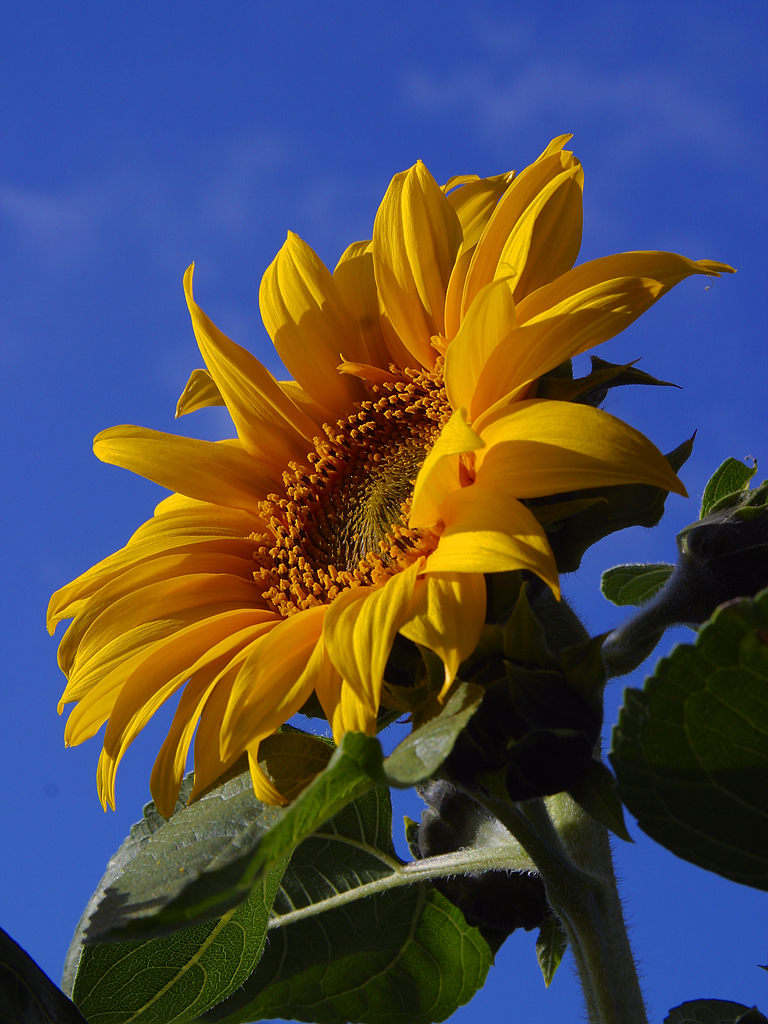 Common sunflowerHelianthus annuus
A tall annual plant grown for its large yellow flower heads and edible seeds
🇨🇦 Canada and 4 more · Wildflower
Common sunflowerHelianthus annuus
A tall annual plant grown for its large yellow flower heads and edible seeds
🇨🇦 Canada and 4 more · Wildflower
 PomegranatePunica granatum
A shrub with bright red flowers and a fruit full of edible seeds
🇮🇷 Iran and 9 more · Flowering shrub
PomegranatePunica granatum
A shrub with bright red flowers and a fruit full of edible seeds
🇮🇷 Iran and 9 more · Flowering shrub
 BirchBetula
Slender trees with papery bark found across the northern world
🇨🇳 China and 7 more · Wildflower
BirchBetula
Slender trees with papery bark found across the northern world
🇨🇳 China and 7 more · Wildflower