
Purple-loosestrife
Lythrum salicaria, family Lythraceae
Tall spikes of reddish-purple flowers found in wetlands and gardens
Purple-loosestrife is a perennial wetland plant with tall, showy reddish-purple flower spikes. Native across Europe, much of Asia, northern Africa, and parts of Australia, it thrives in marshes and along water edges, and is grown in gardens for its bright blooms. It can spread quickly and is considered invasive in some regions.
- Grows up to 2 meters tall with square, reddish-purple stems
- Flowers form dense spikes in shades of purple, pink, or red
- Native to Europe, Asia, northern Africa, and eastern Australia
- Can produce millions of tiny seeds each year
- Considered invasive in North America and New Zealand
What does Purple-loosestrife look like?
Purple-loosestrife grows upright, reaching between 1 and 2 meters tall, with many reddish-purple, square-shaped stems rising from a woody base. Its leaves are narrow, soft, and arranged in pairs or groups of three. The plant produces dense clusters of small, six-petaled flowers in shades of reddish purple, sometimes pink or red, along the upper stems. Flowering lasts through summer, and the plant often turns bright red in autumn before the stalks dry and brown.
Where does Purple-loosestrife come from?
This species occurs naturally across a wide area that includes Europe, large parts of Asia, northern Africa, and eastern Australia. Its presence in Australia is confirmed by ancient pollen, though its arrival there is still debated. Purple-loosestrife has spread to many other temperate regions, often becoming established in wetlands and along waterways. The name Lythrum comes from a Greek word for blood, alluding to the flower’s color in some species, while 'salicaria' refers to the willow-like shape of its leaves.
When and how Purple-loosestrife blooms
Purple-loosestrife blooms throughout the summer, producing many seeds in small capsules. The plant prefers wet ground—marshes, ditches, and lake edges—but can grow in drier spots. It spreads both by seed and by pieces of root left in the soil. Gardeners have selected varieties for different flower colors and heights, and it is sometimes grown as an ornamental in damp garden spots.


How Purple-loosestrife is used
People have grown purple-loosestrife in gardens for its bright flowers, especially in wet or poorly drained areas. Traditionally, it was used as an astringent herb for digestive troubles. Beekeepers value it for its abundant nectar. In some places, it has become invasive, crowding out native plants and changing wetland habitats.
Kinds of Purple-loosestrife
Several garden cultivars exist, including 'Atropurpureum' with deep purple flowers, 'Brightness' with dark pink blooms, and 'Happy' with red flowers on shorter stems. 'Blush' and 'Feuerkerze' are recognized for their pink and rose-red flowers. Despite earlier attempts to classify subspecies, the plant is now considered to have no significant botanical varieties.
What Purple-loosestrife means
Purple-loosestrife appears in English poetry and was once called 'long purples.' It is sometimes confused with other plants called loosestrife, but these belong to a different genus. In North America and New Zealand, it is now seen as a problematic invader of wetlands. Efforts to control it include introducing beetles and weevils that feed on the plant, which has helped manage its spread in some areas.
Questions people ask about Purple-loosestrife
Where does purple-loosestrife come from?
Purple-loosestrife is native to a broad region covering Europe, much of Asia, northern Africa, and eastern Australia. It has also spread to other temperate areas worldwide.
What does purple-loosestrife look like?
It is a tall, upright plant with many reddish-purple stems and narrow, soft leaves. The flowers are small, reddish purple, and cluster densely along the upper stems, blooming through summer.
Why is purple-loosestrife considered invasive?
In places like North America and New Zealand, purple-loosestrife spreads rapidly in wetlands, outcompeting native plants and altering habitats. It produces many seeds and can regrow from root fragments.
How is purple-loosestrife used?
It is grown as a garden ornamental, especially in damp areas, and has been used in traditional medicine as an astringent. Beekeepers also value it for its nectar-rich flowers.
Are there different types of purple-loosestrife?
Gardeners have developed several cultivars with varying flower colors and heights, but botanically, the species is considered to have no significant subspecies or varieties.
Good reading and sources
- Encyclopaedia BritannicaArticle
- Lythrum salicaria 'Blush'Royal Horticultural Society, Article
- Plants of the World OnlineRoyal Botanic Gardens, Kew, Plant database
- Where it has been recordedGBIF, Plant database
- Sightings and photos by naturalistsiNaturalist, Plant database
- Lythrum salicaria on WikipediaEncyclopedia
- More photos on Wikimedia CommonsPhotos
- Wikidata recordOpen data
The facts on this page come from the Wikipedia article "Lythrum salicaria", written by its contributors and used under the CC BY-SA 4.0 licence, and from its Wikidata record (CC0). Phool rewrote the text in its own words, with AI assistance, and compares every page with the article to make sure no passage is copied. It may be reused under the same CC BY-SA 4.0 licence with a link back.
It may contain mistakes. It is not medical or foraging advice: many flowers are poisonous, and traditional uses are reported, not recommended. If something is wrong, tell us. Last refreshed 2026-10-03.
Others in the family Lythraceae
The whole family HennaLawsonia inermis
Shrub whose leaves yield the dye henna for skin, hair, and fabric
Lawsonia inermis · Wildflower
HennaLawsonia inermis
Shrub whose leaves yield the dye henna for skin, hair, and fabric
Lawsonia inermis · Wildflower
 Woodfordia fruticosadhavdi
A flowering shrub found from Africa to South and Southeast Asia
🇲🇲 Myanmar and 7 more · Wildflower
Woodfordia fruticosadhavdi
A flowering shrub found from Africa to South and Southeast Asia
🇲🇲 Myanmar and 7 more · Wildflower
 Pride of IndiaLagerstroemia speciosa
A tree with showy pink to purple flowers, grown across South and Southeast Asia
🇮🇳 India and 6 more · Flowering tree
Pride of IndiaLagerstroemia speciosa
A tree with showy pink to purple flowers, grown across South and Southeast Asia
🇮🇳 India and 6 more · Flowering tree
 Crape myrtleLagerstroemia indica
A summer-flowering tree with crinkled blooms in white, pink, purple or red
🇨🇳 China and 7 more · Flowering tree
Crape myrtleLagerstroemia indica
A summer-flowering tree with crinkled blooms in white, pink, purple or red
🇨🇳 China and 7 more · Flowering tree
More from China
All the flowers of China PeachPrunus persica
A flowering fruit tree from China, grown for its pink blossoms and sweet fruit
🇨🇳 China and 7 more · Flowering tree
PeachPrunus persica
A flowering fruit tree from China, grown for its pink blossoms and sweet fruit
🇨🇳 China and 7 more · Flowering tree
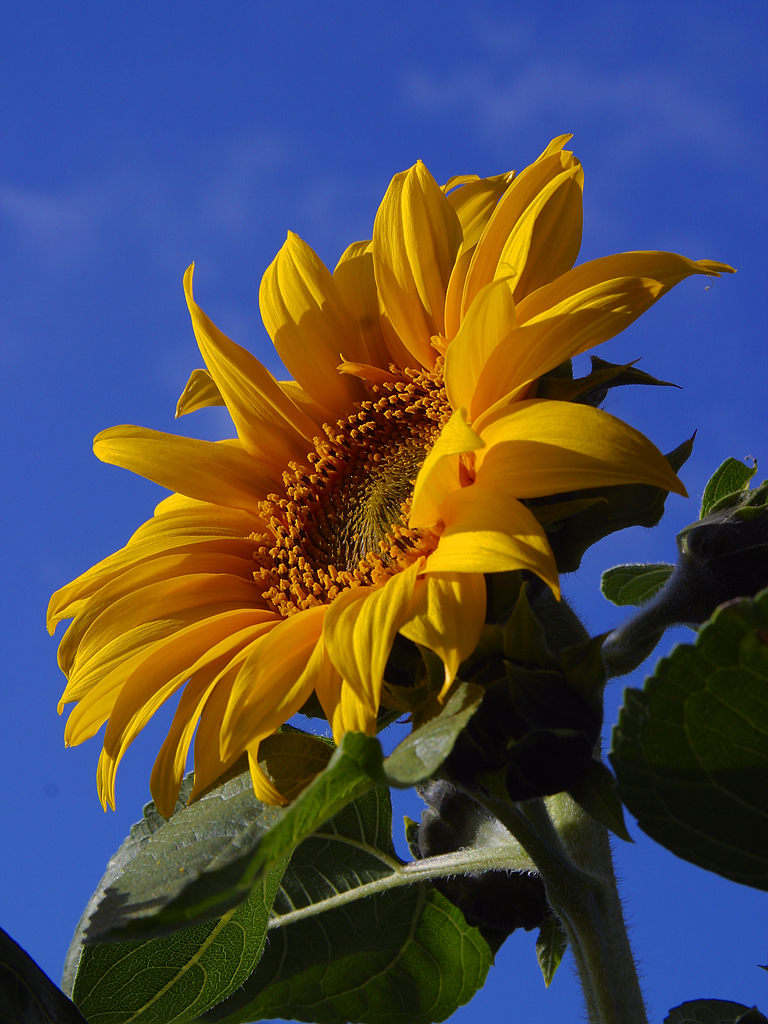 Common sunflowerHelianthus annuus
A tall annual plant grown for its large yellow flower heads and edible seeds
🇨🇦 Canada and 4 more · Wildflower
Common sunflowerHelianthus annuus
A tall annual plant grown for its large yellow flower heads and edible seeds
🇨🇦 Canada and 4 more · Wildflower
 PomegranatePunica granatum
A shrub with bright red flowers and a fruit full of edible seeds
🇮🇷 Iran and 9 more · Flowering shrub
PomegranatePunica granatum
A shrub with bright red flowers and a fruit full of edible seeds
🇮🇷 Iran and 9 more · Flowering shrub
 BirchBetula
Slender trees with papery bark found across the northern world
🇨🇳 China and 7 more · Wildflower
BirchBetula
Slender trees with papery bark found across the northern world
🇨🇳 China and 7 more · Wildflower