
Red spider lily
Lycoris radiata, family Amaryllidaceae
In its own language: 彼岸花
A bright-red autumn-blooming lily with spidery stamens
Red spider lily is a bulbous perennial that sends up vivid red flowers on bare stalks in late summer or early autumn, before its grey-green leaves appear. Native to parts of East Asia, it is grown as an ornamental plant and used in traditional medicine, but all parts are poisonous.
- Blooms in autumn on leafless stalks after heavy rain
- All parts are poisonous due to lycorine alkaloid
- Source of galantamine used in Alzheimer’s treatment
- Flowers and leaves never appear at the same time
- Planted near graves and rice fields in Japan
What does Red spider lily look like?
Red spider lily grows from a bulb and produces striking red flowers on leafless stems 30 to 70 cm tall. Each stalk carries four to six blooms arranged in an umbel. The narrow petals curl backward, and long, slender stamens extend outward like spider legs. The grey-green leaves emerge later, in October, and stay through winter.
Where does Red spider lily come from?
This plant is native to China, Japan, Korea and Nepal. The fertile diploid form, L. radiata var. pumila, occurs only in China. Sterile triploid plants, which spread by bulbs alone, are common in Japan and were likely brought from China around 700 CE, possibly with rice farming. From Japan, it reached the United States in 1854.
When and how Red spider lily blooms
It blooms in late summer or early autumn, often triggered by heavy rain. The plant stays dormant through summer, then flowers on bare stalks before leaves appear. It thrives in rich, well-drained soil in sun or partial shade. In colder regions like England, it needs protection, but it survives winters in warmer parts of the U.S.


How Red spider lily is used
In Japan, it is planted near graves and rice fields, its toxic bulbs deter rodents and honor the dead during the autumn Higan festival. It appears in Buddhist rituals and funerals. In China, it is cultivated for galantamine, a compound used in Alzheimer’s treatment. Despite its beauty, it is rarely given as a gift in Japan due to its link with death.
Kinds of Red spider lily
Two main forms exist: the diploid L. radiata var. pumila from China, which sets seed, and the sterile triploid L. radiata var. radiata, widespread in Japan and introduced elsewhere. Japanese triploids are genetically identical, suggesting a single historical introduction. Some studies suggest other Lycoris species may not be distinct from this one.
What Red spider lily means
In Japan, it is called higanbana, 'flower of the other shore', and symbolizes death and the afterlife, blooming near the autumn equinox. In Korea, it is sangsahwa, 'flower of unrealized love,' because flowers and leaves never appear together. In Chinese-speaking areas, it is known as 'stone garlic' and has taken on Japanese and Korean meanings through media.
Traditions that use it
Questions people ask about Red spider lily
Where does the red spider lily come from?
It is native to China, Japan, Korea and Nepal. The fertile form grows only in China, while the sterile type spread from Japan to the United States and other regions.
Why is it called spider lily?
Its bright red flowers have long, thin stamens that extend outward like spider legs, giving it the common name red spider lily.
What does it symbolize in Japan?
In Japan, it is known as higanbana and symbolizes death and the afterlife. It blooms around the autumn equinox and is used in Buddhist ancestor rites.
Is it used in medicine?
Yes. Its bulbs contain galantamine, approved for Alzheimer’s treatment. It is cultivated in China for this compound, though all parts are toxic if ingested.
When does it bloom?
It flowers in late summer or early autumn, typically August to September in East Asia, often after heavy rainfall or during the hurricane season.
Good reading and sources
- USDA Plants DatabaseUS Department of Agriculture, Article
- Lycoris radiataRoyal Horticultural Society, Article
- Plants of the World OnlineRoyal Botanic Gardens, Kew, Plant database
- Where it has been recordedGBIF, Plant database
- Sightings and photos by naturalistsiNaturalist, Plant database
- Lycoris radiata on WikipediaEncyclopedia
- More photos on Wikimedia CommonsPhotos
- Wikidata recordOpen data
The facts on this page come from the Wikipedia article "Lycoris radiata", written by its contributors and used under the CC BY-SA 4.0 licence, and from its Wikidata record (CC0). Phool rewrote the text in its own words, with AI assistance, and compares every page with the article to make sure no passage is copied. It may be reused under the same CC BY-SA 4.0 licence with a link back.
It may contain mistakes. It is not medical or foraging advice: many flowers are poisonous, and traditional uses are reported, not recommended. If something is wrong, tell us. Last refreshed 2026-10-03.
Others in the family Amaryllidaceae
The whole family Narcissus
Spring-flowering bulbs with trumpet-shaped blooms in white, yellow, and orange
🇬🇧 United Kingdom and 7 more · Wildflower
Narcissus
Spring-flowering bulbs with trumpet-shaped blooms in white, yellow, and orange
🇬🇧 United Kingdom and 7 more · Wildflower
 Allium
The genus of onions, garlic, leeks, chives and their wild relatives
Allium · Wildflower
Allium
The genus of onions, garlic, leeks, chives and their wild relatives
Allium · Wildflower
 Wild GarlicAllium ursinum
A wild woodland plant with star-shaped white flowers and edible leaves
🇮🇪 Ireland · Wildflower
Wild GarlicAllium ursinum
A wild woodland plant with star-shaped white flowers and edible leaves
🇮🇪 Ireland · Wildflower
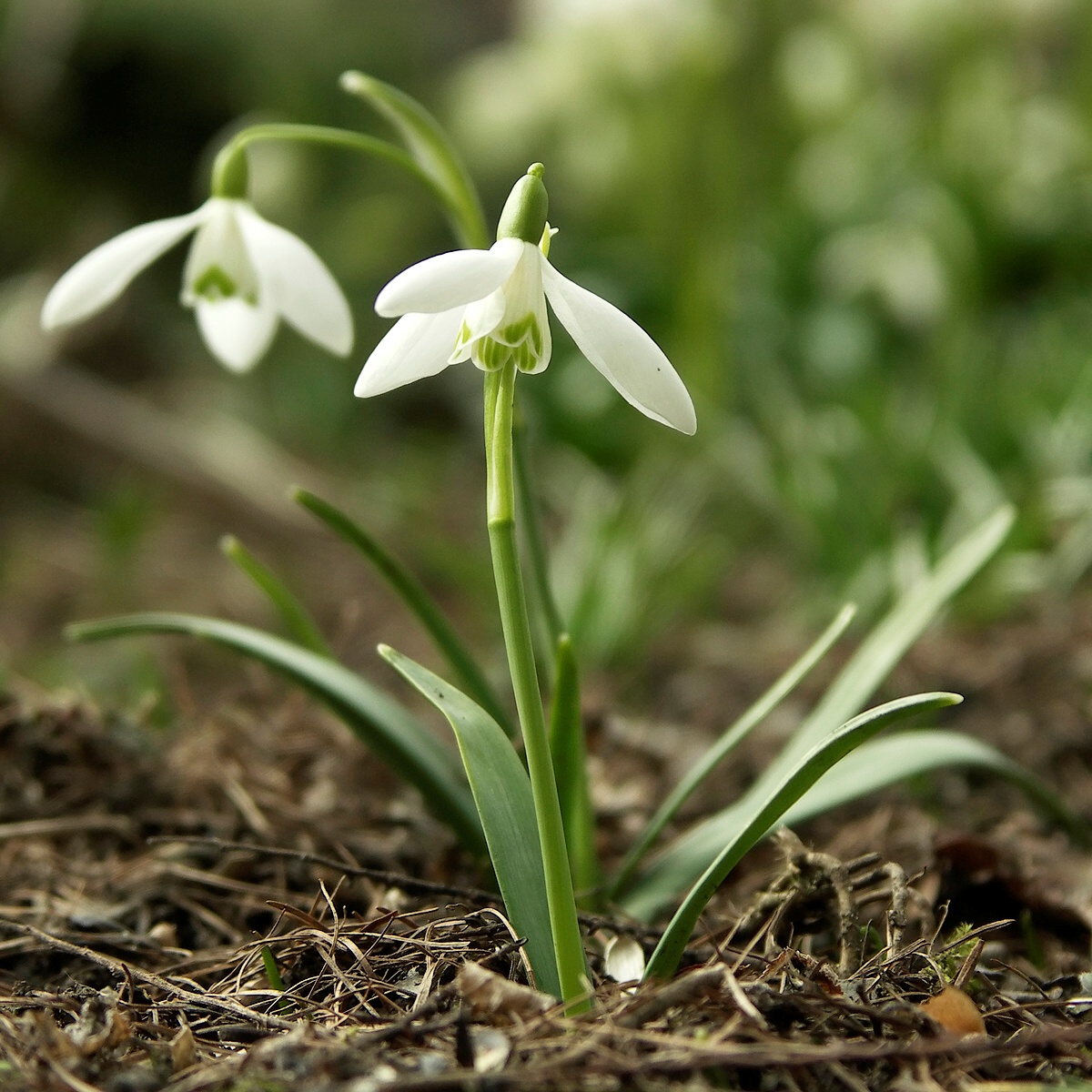 SnowdropGalanthus
White bell-shaped flowers that bloom at the end of winter
🇹🇷 Turkey and 7 more · Wildflower
SnowdropGalanthus
White bell-shaped flowers that bloom at the end of winter
🇹🇷 Turkey and 7 more · Wildflower
More from China
All the flowers of China PeachPrunus persica
A flowering fruit tree from China, grown for its pink blossoms and sweet fruit
🇨🇳 China and 7 more · Flowering tree
PeachPrunus persica
A flowering fruit tree from China, grown for its pink blossoms and sweet fruit
🇨🇳 China and 7 more · Flowering tree
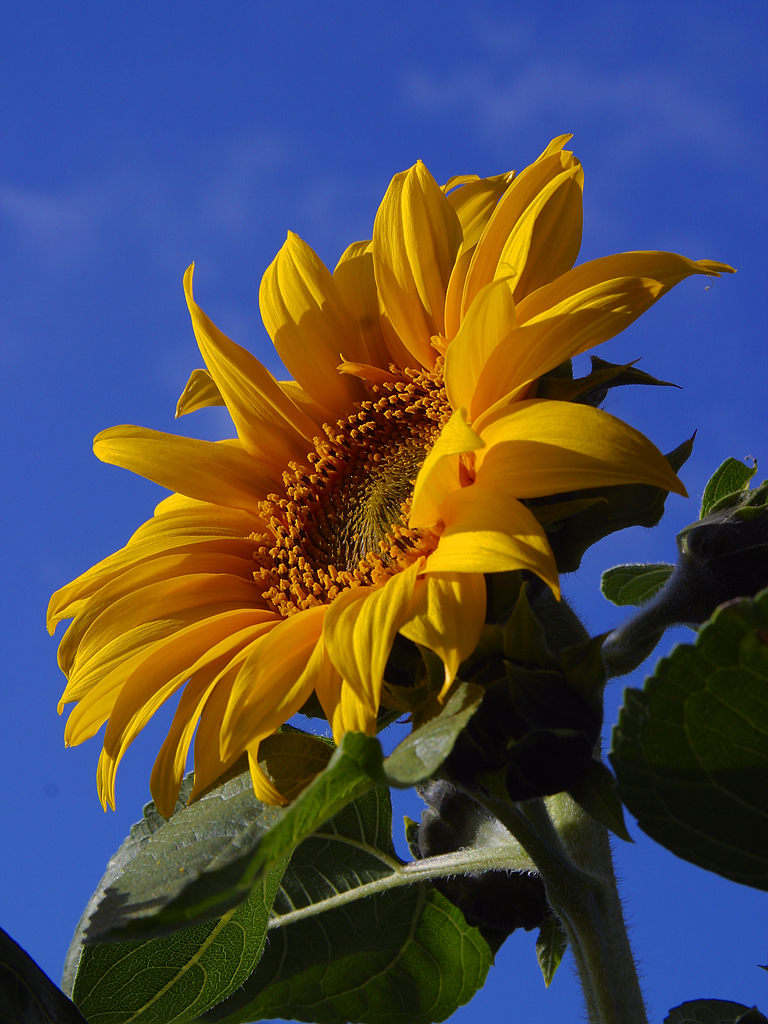 Common sunflowerHelianthus annuus
A tall annual plant grown for its large yellow flower heads and edible seeds
🇨🇦 Canada and 4 more · Wildflower
Common sunflowerHelianthus annuus
A tall annual plant grown for its large yellow flower heads and edible seeds
🇨🇦 Canada and 4 more · Wildflower
 PomegranatePunica granatum
A shrub with bright red flowers and a fruit full of edible seeds
🇮🇷 Iran and 9 more · Flowering shrub
PomegranatePunica granatum
A shrub with bright red flowers and a fruit full of edible seeds
🇮🇷 Iran and 9 more · Flowering shrub
 ApricotPrunus armeniaca
A small fruit tree with early white to pink blossoms and golden-orange fruit
🇨🇳 China and 6 more · Flowering tree
ApricotPrunus armeniaca
A small fruit tree with early white to pink blossoms and golden-orange fruit
🇨🇳 China and 6 more · Flowering tree