
White mulberry
Morus alba, family Moraceae
A fast-growing tree with sweet fruit and leaves fed to silkworms
White mulberry is a small to medium-sized deciduous tree native to China and India. It bears clusters of sweet, usually white or pink fruit and deeply lobed or heart-shaped leaves. Its foliage feeds silkworms in silk production, and its wood, bark, and fruit have traditional uses across Asia.
- Pollen launches at half the speed of sound, the fastest movement in plants
- Leaves are the primary food for silkworms in commercial silk production
- Fruit color ranges from white and pink to deep purple in the wild
- Naturalized across much of North America, often hybridizing with native red mulberry
- Used in traditional Chinese medicine for fever, blood pressure, and liver support
What does White mulberry look like?
White mulberry grows 10 to 20 metres tall with a short lifespan, though some live over 250 years. Its leaves vary: young shoots carry large, deeply lobed leaves, while mature trees have smaller, heart-shaped ones. The flowers form separate male and female catkins. The fruit is small, sweet, and ranges from white and pink to deep purple.
Where does White mulberry come from?
The tree originates in China and India. Cultivation for silkworms began thousands of years ago in China and later spread to Europe, the Middle East, and the Americas. It has naturalized widely, especially in disturbed urban and roadside areas, sometimes threatening native red mulberry through hybridization.
When and how White mulberry blooms
It thrives between 28°N and 55°N latitude in warm temperate to tropical climates, tolerating elevations up to 4,000 metres. It prefers well-drained loamy soils with pH 6.2–6.8 and at least nine hours of daily sun. Propagation is usually by cuttings or grafting rather than seed.


How White mulberry is used
Its leaves feed silkworms in sericulture and livestock as high-protein fodder. People eat the fruit fresh or process it into syrups, wines, and pastes. In Asia, leaves are brewed as tea or used in traditional medicine for blood sugar and liver health. The bark yields strong fiber for paper and rayon.
Kinds of White mulberry
Two botanical varieties are recognized: Morus alba var. alba and Morus alba var. multicaulis. Cultivars include fruitless ornamental types like 'Pendula' and selections bred for leaf yield, fruit quality, or climate adaptation. Hybrids with red and long mulberries are common in cultivation.
What White mulberry means
In Chinese legend, the mulberry arose from a tale of grief and transformation involving a horse and silk. The name’s sound resembles the word for mourning, linking it to sorrow. Historically vital to silk production, it also appears in ancient Roman and Greek records. Today it’s both valued and controlled as an invasive species in parts of North America.
Questions people ask about White mulberry
Where does white mulberry come from?
It is native to China and India, with wild populations documented in regions including Beijing, Shanghai, Fujian, Guangdong, and Tibet.
What is white mulberry used for?
Its leaves feed silkworms for silk, its fruit is eaten or processed, its bark makes paper, and its leaves are used in traditional medicine and as animal fodder.
Is white mulberry toxic?
Lab tests show low toxicity, but one coroner linked a death to white mulberry leaf supplements. Many experts dispute this due to existing safety data.
Why is its pollen famous?
Its stamens release pollen in 25 microseconds at about 610 km/h, roughly half the speed of sound, the fastest known plant movement.
Does it grow outside Asia?
Yes, it’s widely naturalized in the United States, Mexico, Australia, Turkey, Iran, Argentina, and other countries, often near roadsides and urban areas.
Good reading and sources
- Encyclopaedia BritannicaArticle
- Morus albaUS Department of Agriculture, Article
- Morus albaRoyal Horticultural Society, Article
- Plants of the World OnlineRoyal Botanic Gardens, Kew, Plant database
- Where it has been recordedGBIF, Plant database
- Sightings and photos by naturalistsiNaturalist, Plant database
The facts on this page come from the Wikipedia article "Morus alba", written by its contributors and used under the CC BY-SA 4.0 licence, and from its Wikidata record (CC0). EveryPhool rewrote the text in its own words, with AI assistance, and compares every page with the article to make sure no passage is copied. It may be reused under the same CC BY-SA 4.0 licence with a link back.
It may contain mistakes. It is not medical or foraging advice: many flowers are poisonous, and traditional uses are reported, not recommended. If something is wrong, tell us. Last refreshed 2026-10-04.
Others in the family Moraceae
The whole family Sacred figFicus religiosa
The large sacred tree under which the Buddha attained enlightenment
🇮🇳 India and 8 more · Flowering tree
Sacred figFicus religiosa
The large sacred tree under which the Buddha attained enlightenment
🇮🇳 India and 8 more · Flowering tree
 Indian banyanFicus benghalensis
A massive sacred fig tree of the Indian subcontinent
🇮🇳 India and 2 more · Flowering tree
Indian banyanFicus benghalensis
A massive sacred fig tree of the Indian subcontinent
🇮🇳 India and 2 more · Flowering tree
 Rubber plantFicus elastica
A large Asian banyan tree with glossy foliage, grown globally as a houseplant
🇮🇳 India and 7 more · Flowering tree
Rubber plantFicus elastica
A large Asian banyan tree with glossy foliage, grown globally as a houseplant
🇮🇳 India and 7 more · Flowering tree
 Paper mulberryBroussonetia papyrifera
An East Asian tree prized across the Pacific for barkcloth and fine paper
🇨🇳 China and 7 more · Flowering tree
Paper mulberryBroussonetia papyrifera
An East Asian tree prized across the Pacific for barkcloth and fine paper
🇨🇳 China and 7 more · Flowering tree
More from China
All the flowers of China RoseRosa
Prickly flowering shrubs grown across the world for fragrant blossoms and rose hips
🇨🇳 China and 7 more · Flowering shrub
RoseRosa
Prickly flowering shrubs grown across the world for fragrant blossoms and rose hips
🇨🇳 China and 7 more · Flowering shrub
 PeachPrunus persica
A flowering fruit tree from China, grown for its pink blossoms and sweet fruit
🇨🇳 China and 7 more · Flowering tree
PeachPrunus persica
A flowering fruit tree from China, grown for its pink blossoms and sweet fruit
🇨🇳 China and 7 more · Flowering tree
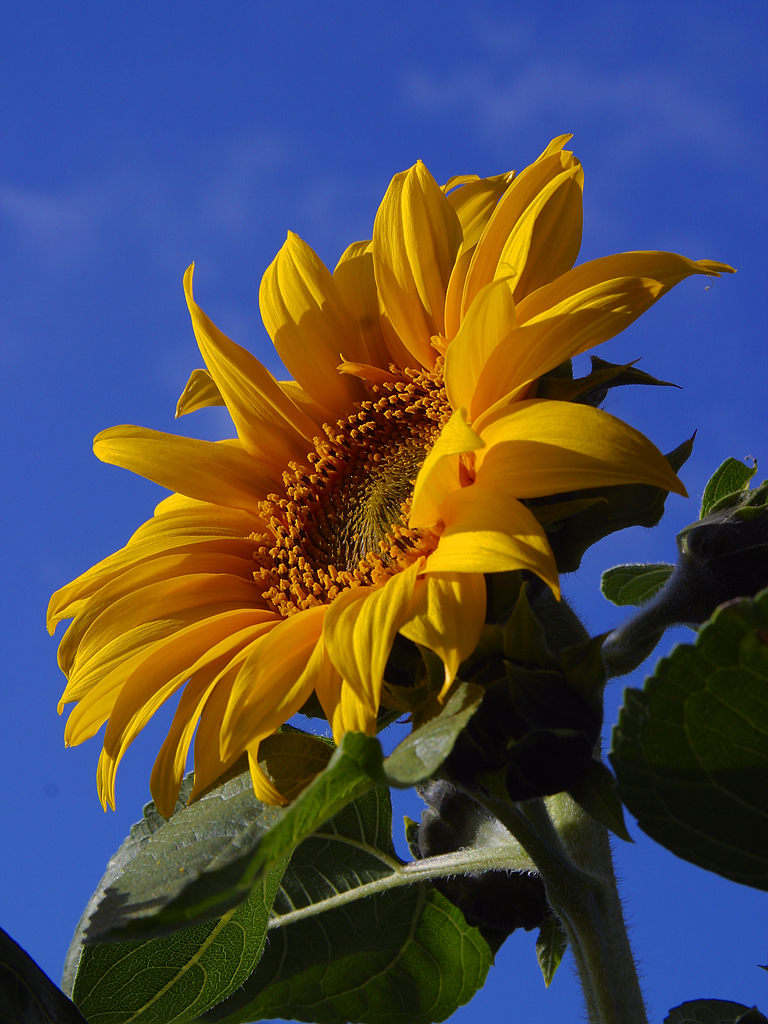 Common sunflowerHelianthus annuus
A tall annual plant grown for its large yellow flower heads and edible seeds
🇨🇦 Canada and 4 more · Wildflower
Common sunflowerHelianthus annuus
A tall annual plant grown for its large yellow flower heads and edible seeds
🇨🇦 Canada and 4 more · Wildflower
 PomegranatePunica granatum
A shrub with bright red flowers and a fruit full of edible seeds
🇮🇷 Iran and 9 more · Flowering shrub
PomegranatePunica granatum
A shrub with bright red flowers and a fruit full of edible seeds
🇮🇷 Iran and 9 more · Flowering shrub