Catmint
Nepeta, family Lamiaceae
A group of aromatic herbs with tubular flowers, famed for their effect on cats
Catmint (Nepeta) is a genus of nearly 300 aromatic flowering herbs in the mint family, native to Europe, Asia, and Africa, and now also found in North America. Its tubular flowers range from blue and lavender to white and pink, and some species are cultivated for gardens or their notable effect on cats.
- Some Nepeta species cause euphoria in cats due to nepetalactone.
- Nepeta flowers can be blue, lavender, white, pink, or lilac.
- Plants are drought tolerant and often repel deer and insect pests.
- Nearly 300 species are accepted in the genus Nepeta.
- Nepeta is native to Europe, Asia, and Africa, and naturalized in North America.
What does Catmint look like?
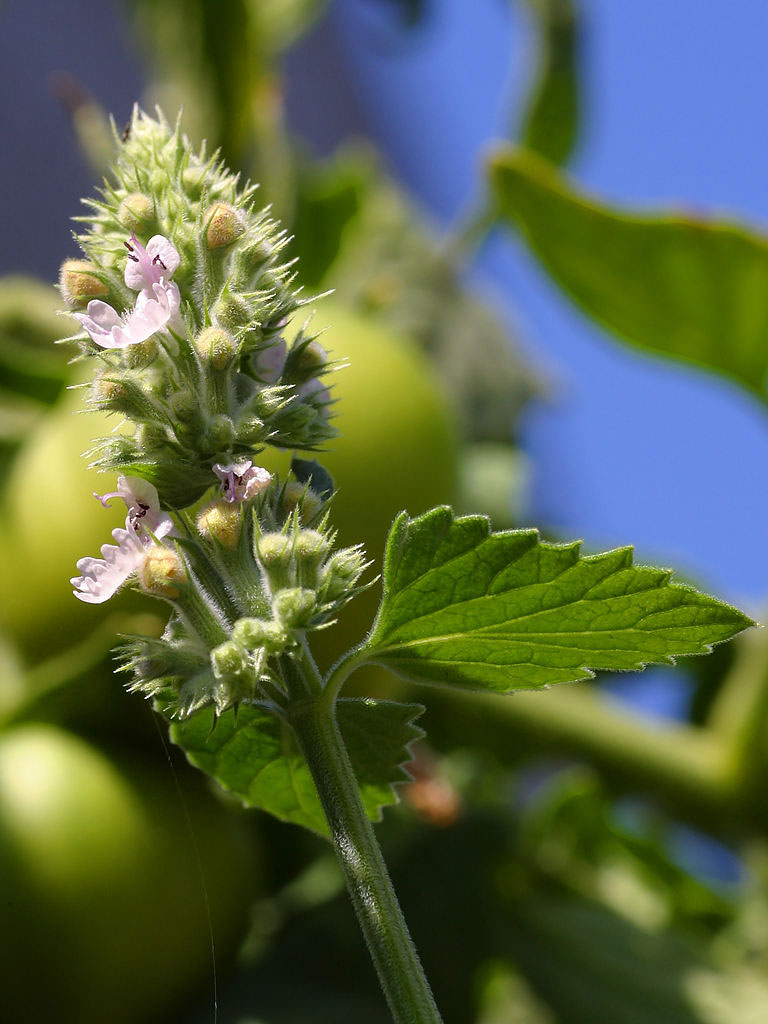
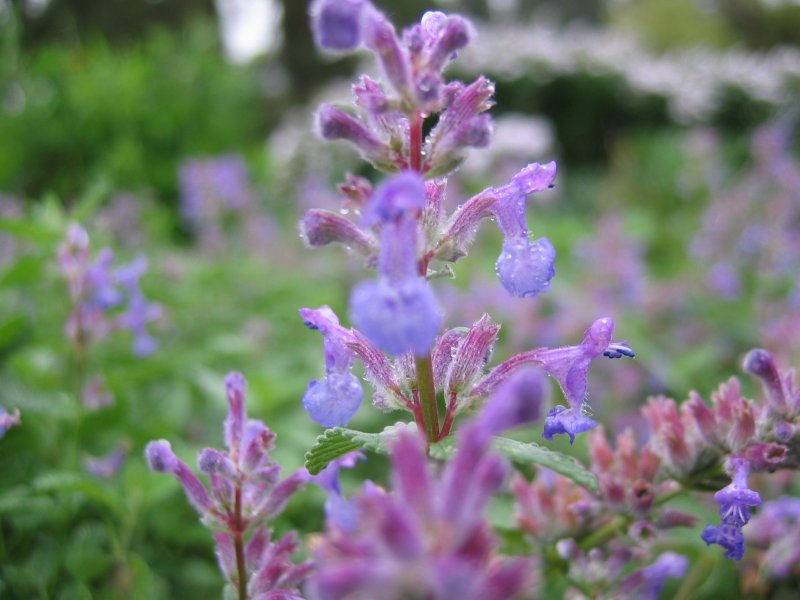
Nepeta plants are mostly perennial herbs, though some are annuals. They have sturdy stems and heart-shaped, green to gray-green leaves that are aromatic when touched. The flowers are tubular, often grouped in spikes or clusters, and come in shades of blue, lavender, white, pink, or lilac, sometimes with purple spots. The calyx is tubular or bell-shaped, and the flowers have a two-lipped structure. Nutlet fruits follow the flowers.
Where does Catmint come from?
Nepeta is native to Europe, Asia, and Africa. The genus name comes from Latin, possibly referring to the ancient Etruscan city of Nepete. Over time, Nepeta species have spread and become naturalized in North America. The group includes nearly 300 accepted species, and some have become invasive where introduced. The plant has a long history of being grown for its aromatic qualities and its effect on cats.
When and how Catmint blooms
Nepeta species bloom from late spring into autumn. They are often grown as ornamental plants in gardens for their long flowering period and ability to tolerate drought. Some species are started from seed, while others are propagated by division. They are valued for their resilience, being deer resistant and sometimes repelling insect pests when planted in gardens.


How Catmint is used
Some Nepeta species are cultivated for their ornamental flowers and aromatic foliage. The best-known use is their effect on cats, as certain species contain nepetalactone, which can cause temporary euphoria in felines. In gardens, Nepeta is also used to attract pollinators like bees and hummingbirds, and to repel pests such as aphids and squash bugs.
Kinds of Catmint
Notable species include Nepeta cataria (true catnip), Nepeta grandiflora (giant catmint), Nepeta × faassenii (garden catmint), and Nepeta racemosa (raceme catnip). These differ in flower color, leaf shape, and growth habit. 'Walker's Low', a cultivar of N. × faassenii, has been recognized for its garden value.
What Catmint means
Nepeta is widely recognized for its unique effect on cats, due to nepetalactone. Some species are used in landscaping for their resilience and pest-repellent properties. The plant is also a food source for certain butterfly and moth larvae. In some places, it is considered an emblematic garden plant.
Questions people ask about Catmint
Where does catmint come from?
Catmint (Nepeta) is native to Europe, Asia, and Africa, but some species have also become naturalized in North America.
What does catmint look like?
Catmint plants have sturdy stems, heart-shaped aromatic leaves, and tubular flowers in blue, lavender, white, pink, or lilac, often grouped in spikes or clusters.
Why do cats like catmint?
Some Nepeta species contain nepetalactone, a compound that binds to cat olfactory receptors and often causes temporary euphoria in cats.
How is catmint used in gardens?
Catmint is grown for its ornamental flowers, aromatic foliage, and ability to attract pollinators and repel pests such as aphids and squash bugs.
Are there different types of catmint?
Yes, there are nearly 300 species, including Nepeta cataria (catnip), Nepeta grandiflora, Nepeta × faassenii, and Nepeta racemosa, each with different flower colors and growth habits.
Good reading and sources
- Catnip Repels Mosquitoes More Effectively Than DEETScienceDaily, Article
- USDA Plants DatabaseUS Department of Agriculture, Article
- Plants of the World OnlineRoyal Botanic Gardens, Kew, Plant database
- Where it has been recordedGBIF, Plant database
- Sightings and photos by naturalistsiNaturalist, Plant database
The facts on this page come from the Wikipedia article "Nepeta", written by its contributors and used under the CC BY-SA 4.0 licence, and from its Wikidata record (CC0). Phool rewrote the text in its own words, with AI assistance, and compares every page with the article to make sure no passage is copied. It may be reused under the same CC BY-SA 4.0 licence with a link back.
It may contain mistakes. It is not medical or foraging advice: many flowers are poisonous, and traditional uses are reported, not recommended. If something is wrong, tell us. Last refreshed 2026-10-03.
Others in the family Lamiaceae
The whole family RosemarySalvia rosmarinus
A fragrant evergreen shrub with needle-like leaves and purple, blue, or white flowers
🇪🇸 Spain and 5 more · Flowering shrub
RosemarySalvia rosmarinus
A fragrant evergreen shrub with needle-like leaves and purple, blue, or white flowers
🇪🇸 Spain and 5 more · Flowering shrub
 Salvia
A vast group of aromatic herbs and shrubs known for their flowers and uses
Salvia · Wildflower
Salvia
A vast group of aromatic herbs and shrubs known for their flowers and uses
Salvia · Wildflower
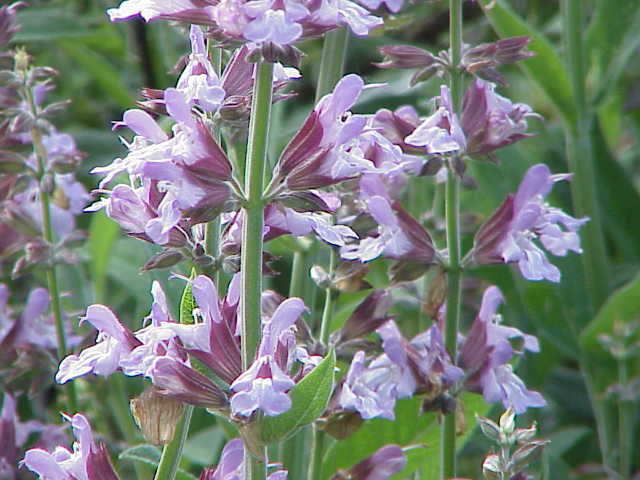 Common sageSalvia officinalis
A Mediterranean herb with grey-green leaves and blue to purple flowers
🇨🇳 China and 1 more · Herb or useful flower
Common sageSalvia officinalis
A Mediterranean herb with grey-green leaves and blue to purple flowers
🇨🇳 China and 1 more · Herb or useful flower
 Holy basilOcimum tenuiflorum
A fragrant herb central to Hindu worship and Southeast Asian cooking
🇲🇲 Myanmar and 6 more · Herb or useful flower
Holy basilOcimum tenuiflorum
A fragrant herb central to Hindu worship and Southeast Asian cooking
🇲🇲 Myanmar and 6 more · Herb or useful flower