
Evening primrose
Oenothera, family Onagraceae
A group of night-blooming wildflowers native to the Americas
Evening primrose is a genus of about 160 flowering plant species native to the Americas, with most opening their yellow, white, or pink flowers at dusk. These plants range from tiny alpine forms to tall lowland species and are grown for their ornamental value, edible parts, and seed oil.
- Most evening primrose flowers open at dusk, sometimes in under a minute.
- The genus includes about 160 species, native to the Americas.
- Some species have edible roots and flowers with a sweet, crunchy taste.
- Oenothera biennis seeds are used to make evening primrose oil.
- Flowers are pollinated mainly by night-active insects and specialist bees.
What does Evening primrose look like?
Oenothera, or evening primrose, includes plants from 10 centimeters to 3 meters tall. They form leafy rosettes at the base, with leaves that can be toothed or deeply lobed. The flowers, often yellow but sometimes white, pink, purple, or red, usually open at dusk and can do so in under a minute. A key feature is the four-branched, X-shaped stigma at the flower's center.
Where does Evening primrose come from?
Evening primrose likely originated in Mexico and Central America, spreading north and south through the Americas. Over time, species adapted to a range of habitats, from deserts to alpine regions. The first plants reached Europe from Virginia in 1614, and now many species are naturalized in temperate regions worldwide. The genus has a complex genetic history, shaped by repeated waves of colonization and hybridization.
When and how Evening primrose blooms
Most evening primroses bloom in the evening, with flowers opening quickly as daylight fades. They grow in disturbed soils, such as roadsides and dunes, and are often among the first plants to colonize cleared ground. Garden varieties are popular for landscaping, especially in dry climates, and can be grown from seed or as perennials. The seeds ripen from late summer to fall.


How Evening primrose is used
People grow evening primroses for their attractive flowers and drought tolerance. Some species have edible young roots and flowers with a sweet, crunchy taste. The seeds of Oenothera biennis are pressed for oil, sold as a dietary supplement. However, there is no strong evidence for health benefits, and side effects are possible. The plants also support specialized pollinators and some moth larvae.
Kinds of Evening primrose
The genus includes about 160 species, such as Oenothera biennis (common evening primrose), O. cespitosa (tufted evening primrose), and O. stubbei (Saltillo evening primrose). Some species, like O. cespitosa, have white flowers that turn pink as they age. The group is divided into 18 sections, with many species able to interbreed.
What Evening primrose means
Evening primrose has played a role in genetics research, inspiring early theories about mutation and speciation. The plant's name comes from its habit of opening at dusk. While not closely related to true primroses, it has been used as a garden plant since the 17th century and is maintained in collections such as the UK National Collection at Wisley.
Where Evening primrose is used and seen

Questions people ask about Evening primrose
Where does evening primrose come from?
Evening primrose is native to the Americas, with origins likely in Mexico and Central America. It now grows wild across North and South America and has been introduced to many temperate regions worldwide.
What does evening primrose look like?
Evening primrose plants can be small or tall, with leafy rosettes and flowers that are usually yellow, but sometimes white, pink, purple, or red. The flowers have a distinctive four-branched stigma and often open at dusk.
How is evening primrose used?
People grow evening primrose as a garden plant and for its edible young roots and flowers. The seeds of some species, especially Oenothera biennis, are pressed for oil used in dietary supplements, though health benefits are unproven.
What does evening primrose symbolize or mean?
The sources do not mention any specific symbolism for evening primrose, but its name and habit of opening at dusk have influenced its common names and use in gardens.
Is evening primrose related to true primroses?
No, evening primroses (Oenothera) are not closely related to true primroses (Primula), though their common names are similar.
Good reading and sources
- Encyclopaedia BritannicaArticle
- Onagraceae: Department of Botany, National Museum of Natural History, SmithsonianSmithsonian, Article
- USDA Plants DatabaseUS Department of Agriculture, Article
- Plants of the World OnlineRoyal Botanic Gardens, Kew, Plant database
- Where it has been recordedGBIF, Plant database
- Sightings and photos by naturalistsiNaturalist, Plant database
The facts on this page come from the Wikipedia article "Oenothera", written by its contributors and used under the CC BY-SA 4.0 licence, and from its Wikidata record (CC0). Phool rewrote the text in its own words, with AI assistance, and compares every page with the article to make sure no passage is copied. It may be reused under the same CC BY-SA 4.0 licence with a link back.
It may contain mistakes. It is not medical or foraging advice: many flowers are poisonous, and traditional uses are reported, not recommended. If something is wrong, tell us. Last refreshed 2026-10-03.
Others in the family Onagraceae
The whole family FireweedChamaenerion angustifolium
A tall pink wildflower that quickly covers burned or disturbed ground
🇨🇳 China and 3 more · Wildflower
FireweedChamaenerion angustifolium
A tall pink wildflower that quickly covers burned or disturbed ground
🇨🇳 China and 3 more · Wildflower
 Hardy fuchsiaFuchsia magellanica
A South American shrub with drooping red and purple flowers
🇦🇷 Argentina and 5 more · Flowering shrub
Hardy fuchsiaFuchsia magellanica
A South American shrub with drooping red and purple flowers
🇦🇷 Argentina and 5 more · Flowering shrub
 Dwarf fireweedChamerion latifolium
A bright pink wildflower of Arctic and alpine regions, eaten and cherished in Greenland
🇬🇱 Greenland · Wildflower
Dwarf fireweedChamerion latifolium
A bright pink wildflower of Arctic and alpine regions, eaten and cherished in Greenland
🇬🇱 Greenland · Wildflower
 Clarkia
Wildflowers and garden annuals with four-petalled blooms, mostly from western North America
Clarkia · Wildflower
Clarkia
Wildflowers and garden annuals with four-petalled blooms, mostly from western North America
Clarkia · Wildflower
More from Mexico
All the flowers of Mexico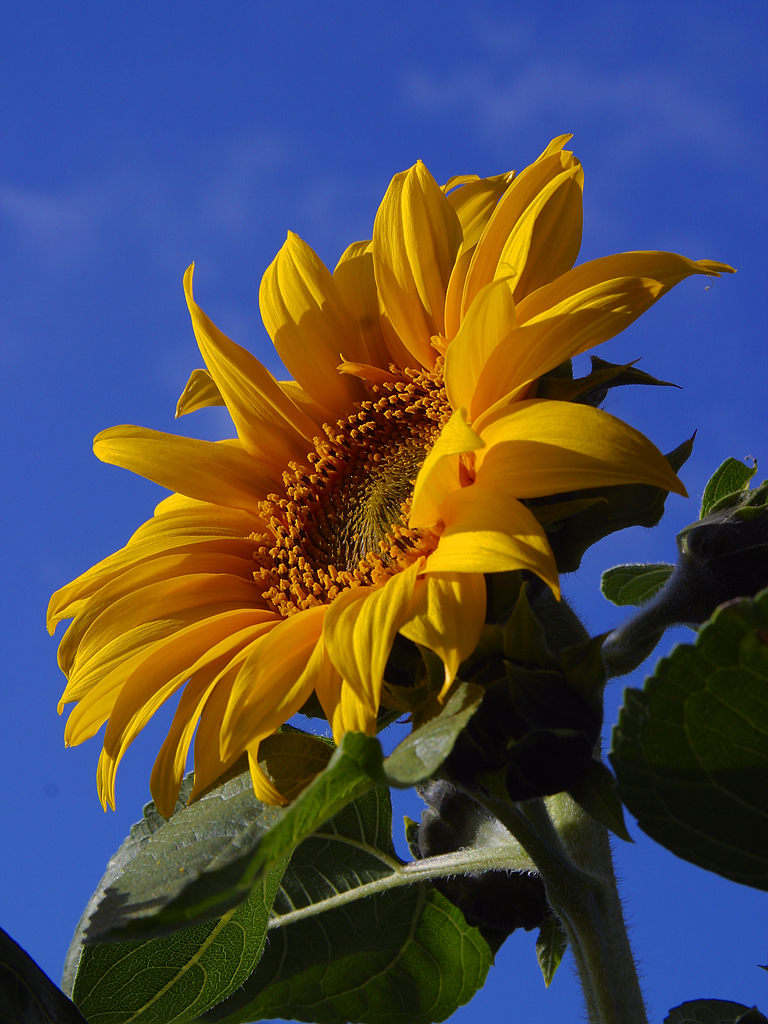 Common sunflowerHelianthus annuus
A tall annual plant grown for its large yellow flower heads and edible seeds
🇨🇦 Canada and 4 more · Wildflower
Common sunflowerHelianthus annuus
A tall annual plant grown for its large yellow flower heads and edible seeds
🇨🇦 Canada and 4 more · Wildflower
 CactusCactaceae
Succulent plants with spines, native to the Americas
🇲🇽 Mexico and 7 more · Wildflower
CactusCactaceae
Succulent plants with spines, native to the Americas
🇲🇽 Mexico and 7 more · Wildflower
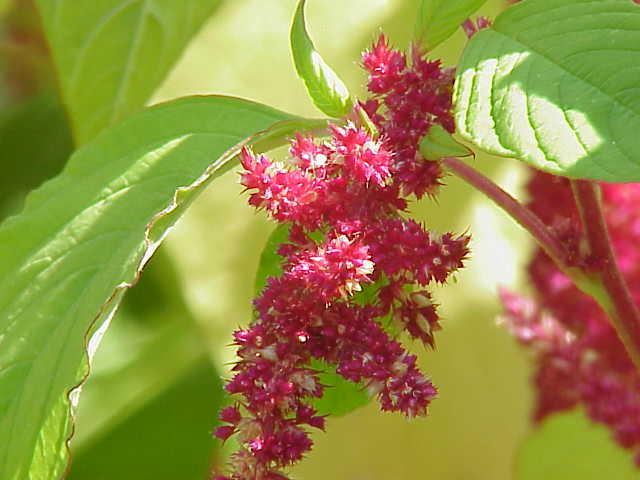 AmaranthAmaranthus
A tall, colourful plant grown for its flowers, leaves and edible seeds
🇲🇽 Mexico and 7 more · Wildflower
AmaranthAmaranthus
A tall, colourful plant grown for its flowers, leaves and edible seeds
🇲🇽 Mexico and 7 more · Wildflower
 HawthornCrataegus
A thorny shrub or tree with white or pink spring flowers and small edible fruits
🇮🇪 Ireland and 7 more · Wildflower
HawthornCrataegus
A thorny shrub or tree with white or pink spring flowers and small edible fruits
🇮🇪 Ireland and 7 more · Wildflower