
Moutan peony
Paeonia × suffruticosa, family Paeoniaceae
In its own language: 牡丹
The woody peony of China with large, showy spring flowers
Moutan peony is a woody shrub from China, grown for its large, colorful spring blooms and valued in Chinese culture for centuries. Its flowers range from reddish purple and pink to white, and it is used both as an ornamental plant and in traditional medicine for its root bark.
- Cultivated in China for over 1,500 years
- Flowers range from reddish purple and pink to white and yellow
- Root bark used in traditional Chinese medicine
- Heze is known as the peony capital of China
- Symbolizes honor, wealth, and beauty in Chinese culture
What does Moutan peony look like?
Moutan peony is a deciduous shrub that can reach up to 2 meters tall, with thick, short branches and green to pale green leaves. Its flowers are large and striking, with petals in shades of reddish purple, pink, white, and sometimes yellow in modern hybrids. The blooms appear in spring, typically in May, and are known for their size and variety of forms. The plant stands out among peonies for its woody stems, which allow it to survive winter and live for many years.
Where does Moutan peony come from?
Moutan peony originated in northwest China, especially in the Qinling Mountains and northern Shaanxi. It has been cultivated for over 1,500 years, first for medicinal use and later as an ornamental. The plant is a hybrid group, with parentage from several wild peony species in the subsection Vaginatae. Heze, once called Caozhou, is known as the peony capital of China, famous for its long history of peony growing and many cultivars. The peony spread from China to other countries, where new varieties were bred.
When and how Moutan peony blooms
Tree peonies bloom in spring, with flowers opening in May and seeds ripening in June. They are grown from seeds or by dividing established plants. Seeds are collected when pods split, then kept moist before autumn planting. The shrub prefers fertile, humus-rich soil and dappled sunlight, with minimal pruning needed. In cultivation, care is taken to avoid drying out the seeds, as this can delay sprouting.


How Moutan peony is used
In China, the moutan peony is grown for its beauty in gardens and as a symbol in art and literature. Its root bark, called Mu Dan Pi, has been used in traditional Chinese medicine for over 2,000 years. The plant is also associated with honor, wealth, and feminine beauty. Heze holds large peony festivals, and the flower is still widely grown for both ornamental and medicinal purposes.
Kinds of Moutan peony
There are about 600 Chinese tree peony cultivars, with a wide range of flower colors and shapes. French breeders introduced yellow-flowered hybrids by crossing with P. delavayi, creating the Paeonia × lemoinei group. In Japan, Itoh hybrids were developed by crossing tree peonies with herbaceous peonies, resulting in intersectional cultivars with large, long-lasting flowers and wilt resistance.
What Moutan peony means
The moutan peony is deeply embedded in Chinese culture, often called the 'king of flowers.' It symbolizes honor, wealth, and feminine beauty, and has appeared in literature and art for centuries. It was once named China's national flower, and debates about its status continue. Overharvesting for medicine has threatened wild populations. Heze is renowned for its peony heritage and festivals.
Where Moutan peony is used and seen


Traditions that use it
Where to see Moutan peony

Questions people ask about Moutan peony
Where does the moutan peony come from?
The moutan peony originated in northwest China, especially in the Qinling Mountains and northern Shaanxi, and has been cultivated there for centuries.
What does the moutan peony symbolize?
In Chinese culture, the moutan peony stands for honor, wealth, aristocracy, love, and feminine beauty. It is often called the 'king of flowers.'
How is the moutan peony used?
It is grown as an ornamental shrub in gardens and parks, and its root bark, known as Mu Dan Pi, is used in traditional Chinese medicine.
What colors do moutan peony flowers come in?
The flowers can be reddish purple, pink, white, and, in some hybrids, yellow. There are many varieties with different shapes and color blends.
Is the moutan peony still China's national flower?
It was named the national flower in 1903, but later lost this status. Debates about making it the national flower continue in China.
Good reading and sources
- Paeonia × lemoinei 'High Noon' (S)Royal Horticultural Society, Article
- USDA Plants DatabaseUS Department of Agriculture, Article
- Plants of the World OnlineRoyal Botanic Gardens, Kew, Plant database
- Where it has been recordedGBIF, Plant database
- Sightings and photos by naturalistsiNaturalist, Plant database
- Paeonia × suffruticosa on WikipediaEncyclopedia
- More photos on Wikimedia CommonsPhotos
- Wikidata recordOpen data
The facts on this page come from the Wikipedia article "Paeonia × suffruticosa", written by its contributors and used under the CC BY-SA 4.0 licence, and from its Wikidata record (CC0). Phool rewrote the text in its own words, with AI assistance, and compares every page with the article to make sure no passage is copied. It may be reused under the same CC BY-SA 4.0 licence with a link back.
It may contain mistakes. It is not medical or foraging advice: many flowers are poisonous, and traditional uses are reported, not recommended. If something is wrong, tell us. Last refreshed 2026-10-03.
Others in the family Paeoniaceae
The whole family PeonyPaeonia
Large spring flowers in pink, red, white, yellow and purple, grown in gardens worldwide
🇨🇳 China and 7 more · Wildflower
PeonyPaeonia
Large spring flowers in pink, red, white, yellow and purple, grown in gardens worldwide
🇨🇳 China and 7 more · Wildflower
 Paeonia peregrina
A wild red peony native to southeastern Europe and Turkey
🇷🇴 Romania and 7 more · Wildflower
Paeonia peregrina
A wild red peony native to southeastern Europe and Turkey
🇷🇴 Romania and 7 more · Wildflower
 Paeonia anomala
A wild peony with finely divided leaves and magenta-red flowers from northern Eurasia
🇷🇺 Russia and 4 more · Wildflower
Paeonia anomala
A wild peony with finely divided leaves and magenta-red flowers from northern Eurasia
🇷🇺 Russia and 4 more · Wildflower
 Woodland peonyPaeonia obovata
A woodland peony with white, pink or purple-red flowers from East Asia
🇨🇳 China and 2 more · Wildflower
Woodland peonyPaeonia obovata
A woodland peony with white, pink or purple-red flowers from East Asia
🇨🇳 China and 2 more · Wildflower
More from China
All the flowers of China PeachPrunus persica
A flowering fruit tree from China, grown for its pink blossoms and sweet fruit
🇨🇳 China and 7 more · Flowering tree
PeachPrunus persica
A flowering fruit tree from China, grown for its pink blossoms and sweet fruit
🇨🇳 China and 7 more · Flowering tree
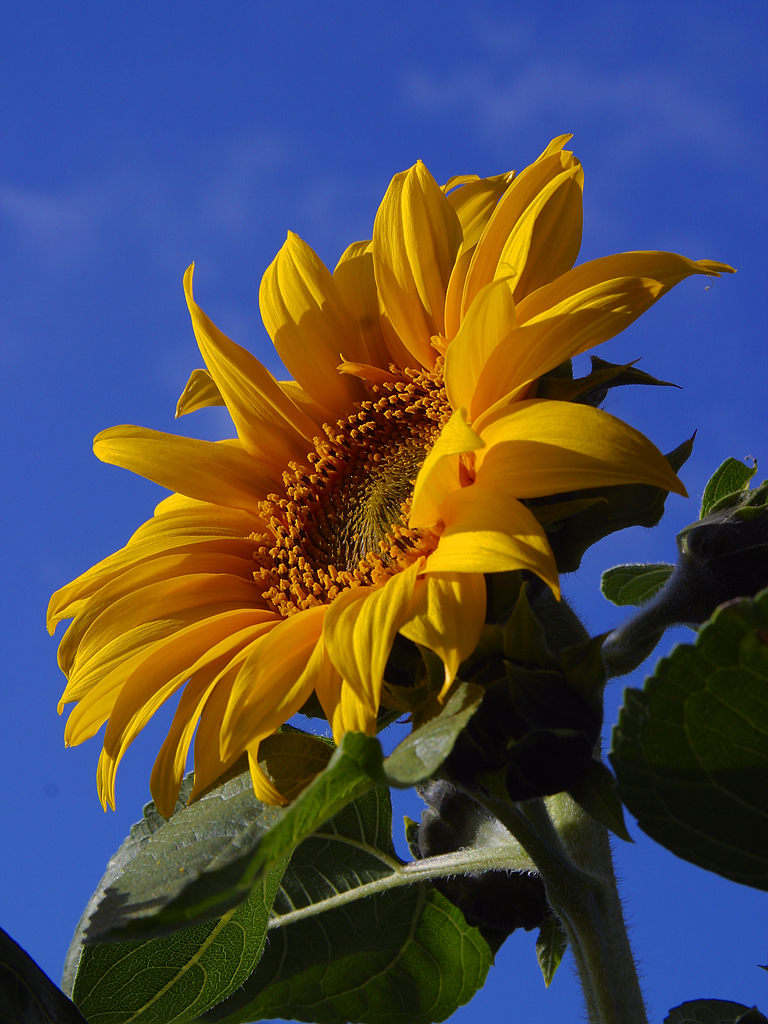 Common sunflowerHelianthus annuus
A tall annual plant grown for its large yellow flower heads and edible seeds
🇨🇦 Canada and 4 more · Wildflower
Common sunflowerHelianthus annuus
A tall annual plant grown for its large yellow flower heads and edible seeds
🇨🇦 Canada and 4 more · Wildflower
 PomegranatePunica granatum
A shrub with bright red flowers and a fruit full of edible seeds
🇮🇷 Iran and 9 more · Flowering shrub
PomegranatePunica granatum
A shrub with bright red flowers and a fruit full of edible seeds
🇮🇷 Iran and 9 more · Flowering shrub
 ApricotPrunus armeniaca
A small fruit tree with early white to pink blossoms and golden-orange fruit
🇨🇳 China and 6 more · Flowering tree
ApricotPrunus armeniaca
A small fruit tree with early white to pink blossoms and golden-orange fruit
🇨🇳 China and 6 more · Flowering tree