
Princess tree
Paulownia tomentosa, family Paulowniaceae
A fast-growing tree with large violet-blue flowers and broad leaves
The princess tree is a deciduous hardwood from central and eastern China, known for its rapid growth and striking violet-blue flowers that appear before the leaves in spring. It is grown as an ornamental in gardens and parks worldwide, but can spread quickly and is considered invasive in some regions.
- Produces large, fragrant violet-blue flowers in early spring
- Native to central and eastern China, now found worldwide
- Leaves can reach nearly a meter across on young shoots
- Traditionally planted in Japan when a daughter is born
- Can become invasive in non-native regions
What does Princess tree look like?
The princess tree grows up to 25 meters tall and has a short trunk with spreading branches. Its leaves are very large, heart-shaped or sometimes divided into five lobes, and can reach nearly a meter across on young shoots. In early spring, before the leaves appear, the tree produces clusters of large, tubular flowers that are violet-blue and strongly scented. These flowers resemble those of the foxglove. The fruit is a dry, egg-shaped capsule filled with many tiny, winged seeds.
Where does Princess tree come from?
Native to central and eastern China, the princess tree also grows wild in several Chinese provinces. It has been introduced to many other regions, including Japan, Europe, North America, and parts of Africa and Oceania. The tree was named after Anna Pavlovna of Russia. Its ability to grow quickly and tolerate poor soils has helped it spread, but it can become invasive outside its native range.
When and how Princess tree blooms
Princess trees need full sunlight and can grow in many types of soil, even in poor or dry conditions. They are drought-resistant and can survive wildfires by regrowing from their roots. The tree blooms in spring, with flowers forming on mature wood. Gardeners sometimes cut the tree back to encourage new shoots with especially large leaves, which are valued for their bold look in landscaping.


How Princess tree is used
This tree is planted in parks and gardens for its showy flowers and large leaves. In Japan, a tradition links the tree to weddings: when a daughter is born, a princess tree is planted, and when she marries, the matured tree is made into a dresser as a wedding gift. The wood is also used for making musical instruments, and the tree’s leaves and roots help prevent soil erosion.
Kinds of Princess tree
While Paulownia tomentosa is the main species grown for its flowers and timber, gardeners may select trees for especially large leaves by cutting them back each year. The tree has naturalized in many places outside China, sometimes forming wild populations.
What Princess tree means
The princess tree is valued for its beauty and rapid growth, but in some countries, it is seen as a problematic invader because it spreads easily. In Japan, it carries cultural meaning related to family and marriage. Its timber is used in crafts and furniture. The tree is also being considered for environmental projects like carbon capture due to its fast growth and large leaves.
Where Princess tree is used and seen

Questions people ask about Princess tree
Where does the princess tree come from?
The princess tree is native to central and eastern China, where it grows in several provinces. It has also been introduced to other parts of the world, including Japan, Europe, and North America.
What does the princess tree look like?
It is a tall tree with very large, heart-shaped or lobed leaves. In spring, it produces clusters of violet-blue, tubular flowers that are strongly scented and appear before the leaves.
How is the princess tree used?
People plant it in gardens and parks for its attractive flowers and bold leaves. In Japan, it is tied to wedding traditions, and its wood is used to make furniture and musical instruments.
Is the princess tree considered invasive?
Yes, in some regions outside its native range, such as parts of the United States and Europe, the princess tree spreads easily and can become invasive.
What does the princess tree symbolize?
In Japan, the tree is associated with family and marriage, as it is traditionally planted when a daughter is born and later used to make a wedding gift.
Good reading and sources
- Paulownia tomentosaRoyal Horticultural Society, Article
- Plants of the World OnlineRoyal Botanic Gardens, Kew, Plant database
- Where it has been recordedGBIF, Plant database
- Sightings and photos by naturalistsiNaturalist, Plant database
- Paulownia tomentosa on WikipediaEncyclopedia
- More photos on Wikimedia CommonsPhotos
- Wikidata recordOpen data
The facts on this page come from the Wikipedia article "Paulownia tomentosa", written by its contributors and used under the CC BY-SA 4.0 licence, and from its Wikidata record (CC0). Phool rewrote the text in its own words, with AI assistance, and compares every page with the article to make sure no passage is copied. It may be reused under the same CC BY-SA 4.0 licence with a link back.
It may contain mistakes. It is not medical or foraging advice: many flowers are poisonous, and traditional uses are reported, not recommended. If something is wrong, tell us. Last refreshed 2026-10-03.
Others in the family Paulowniaceae
The whole family
More from China
All the flowers of China PeachPrunus persica
A flowering fruit tree from China, grown for its pink blossoms and sweet fruit
🇨🇳 China and 7 more · Flowering tree
PeachPrunus persica
A flowering fruit tree from China, grown for its pink blossoms and sweet fruit
🇨🇳 China and 7 more · Flowering tree
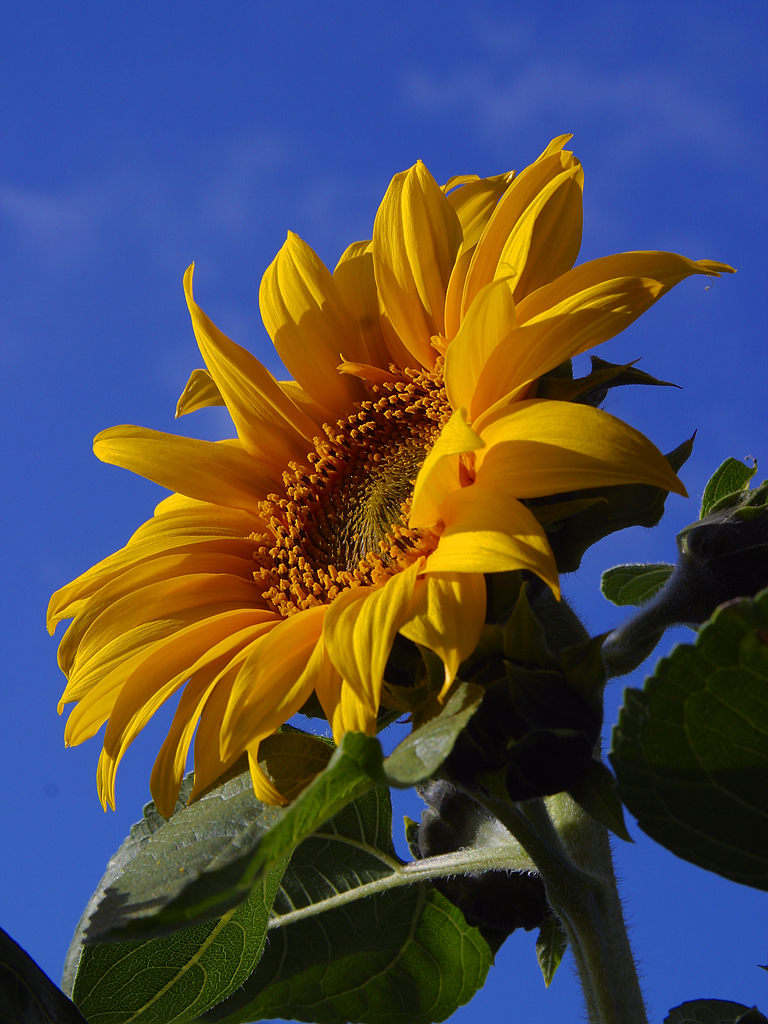 Common sunflowerHelianthus annuus
A tall annual plant grown for its large yellow flower heads and edible seeds
🇨🇦 Canada and 4 more · Wildflower
Common sunflowerHelianthus annuus
A tall annual plant grown for its large yellow flower heads and edible seeds
🇨🇦 Canada and 4 more · Wildflower
 PomegranatePunica granatum
A shrub with bright red flowers and a fruit full of edible seeds
🇮🇷 Iran and 9 more · Flowering shrub
PomegranatePunica granatum
A shrub with bright red flowers and a fruit full of edible seeds
🇮🇷 Iran and 9 more · Flowering shrub
 BirchBetula
Slender trees with papery bark found across the northern world
🇨🇳 China and 7 more · Wildflower
BirchBetula
Slender trees with papery bark found across the northern world
🇨🇳 China and 7 more · Wildflower