
Cape leadwort
Plumbago auriculata, family Plumbaginaceae
A climbing shrub with blue or white flowers from southern Africa
Cape leadwort is an evergreen shrub from South Africa and Mozambique, often grown for its clusters of blue, violet, or white flowers. It can climb or spread, and is popular in gardens in warm climates, blooming mainly in summer but sometimes all year.
- Native to South Africa and Mozambique
- Flowers can be blue, violet, white, or deep blue
- Can grow as a climbing shrub up to 6 meters tall
- Blooms mainly in summer, sometimes year-round
- Popular in gardens in warm climates
What does Cape leadwort look like?
Cape leadwort is a leafy shrub that can climb or sprawl, reaching up to 6 meters tall in the wild. Its stems are slender and long, with shiny green leaves about 2 to 5 centimeters long. The plant produces clusters of small, five-lobed flowers that are usually pale blue, blue, or violet, but some types have white or deep blue blooms. The flowers are about 2 centimeters across and appear in loose, rounded bunches.
Where does Cape leadwort come from?
This plant is native to southern and eastern parts of South Africa and Mozambique. It grows wild in thickets and bushy areas, from the Southern Cape through KwaZulu-Natal and into Gauteng and nearby provinces. Over time, Cape leadwort has been introduced to gardens in many warm regions around the world, including the Mediterranean. The name 'auriculata' refers to the ear-like shape of its leaves.
When and how Cape leadwort blooms
Cape leadwort flowers mostly in summer, but with the right warmth and light, it can bloom throughout the year. It prefers full sun or partial shade and does best in well-drained, slightly acidic soil. In cooler climates, it is often grown in pots or under glass. The plant can be started from seeds or from cuttings taken in summer.
![A Cluster of Plumbago Flowers Republic of Singapore Img by Calvin Teo [May 2006]](https://thumb.wikimedia.org/wikipedia/commons/thumb/4/45/Plumbago.jpg/960px-Plumbago.jpg)


How Cape leadwort is used
People grow Cape leadwort mainly for its colorful flowers and its ability to cover fences or trellises. It is a common choice for gardens in frost-free areas, and smaller plants are sometimes kept indoors. The plant attracts butterflies, and its leaves are eaten by certain moth caterpillars.
Kinds of Cape leadwort
There are several forms of Cape leadwort, including a white-flowered variety called P. auriculata var. alba and a deep blue form known as 'Royal Cape'. These varieties are grown for their different flower colors. Both the main species and the white variety have been recognized for their value in gardens.
What Cape leadwort means
Cape leadwort is valued as a garden plant in many warm regions. It is not tied to any particular symbolism or religious use, but it is appreciated for its long flowering period and its role in attracting butterflies. Its sticky sepals can sometimes trap small insects.
Questions people ask about Cape leadwort
Where does Cape leadwort come from?
Cape leadwort is native to southern and eastern South Africa and Mozambique, where it grows in thickets and bushy areas.
What does Cape leadwort look like?
It is a leafy, evergreen shrub with long, thin stems and shiny green leaves. Its flowers are small, five-lobed, and usually blue, pale blue, violet, or white, growing in loose clusters.
How is Cape leadwort used?
People grow it mainly as a garden plant for its colorful flowers and climbing habit. It is often used to cover fences or trellises and attracts butterflies.
When does Cape leadwort flower?
It flowers mostly in summer, but in warm, bright conditions, it can bloom throughout the year.
Are there different types of Cape leadwort?
Yes, there are forms with white or deep blue flowers, such as P. auriculata var. alba and 'Royal Cape'.
Good reading and sources
- Plumbago auriculataRoyal Horticultural Society, Article
- Plants of the World OnlineRoyal Botanic Gardens, Kew, Plant database
- Where it has been recordedGBIF, Plant database
- Sightings and photos by naturalistsiNaturalist, Plant database
- Plumbago auriculata on WikipediaEncyclopedia
- More photos on Wikimedia CommonsPhotos
- Wikidata recordOpen data
The facts on this page come from the Wikipedia article "Plumbago auriculata", written by its contributors and used under the CC BY-SA 4.0 licence, and from its Wikidata record (CC0). Phool rewrote the text in its own words, with AI assistance, and compares every page with the article to make sure no passage is copied. It may be reused under the same CC BY-SA 4.0 licence with a link back.
It may contain mistakes. It is not medical or foraging advice: many flowers are poisonous, and traditional uses are reported, not recommended. If something is wrong, tell us. Last refreshed 2026-10-03.
Others in the family Plumbaginaceae
The whole family Plumbago
A group of shrubs and herbs with blue, white, or pink flowers
Plumbago · Wildflower
Plumbago
A group of shrubs and herbs with blue, white, or pink flowers
Plumbago · Wildflower
 Sea lavenderLimonium
Salt-tolerant wildflowers with papery blooms, known as statice or sea lavender
Limonium · Wildflower
Sea lavenderLimonium
Salt-tolerant wildflowers with papery blooms, known as statice or sea lavender
Limonium · Wildflower
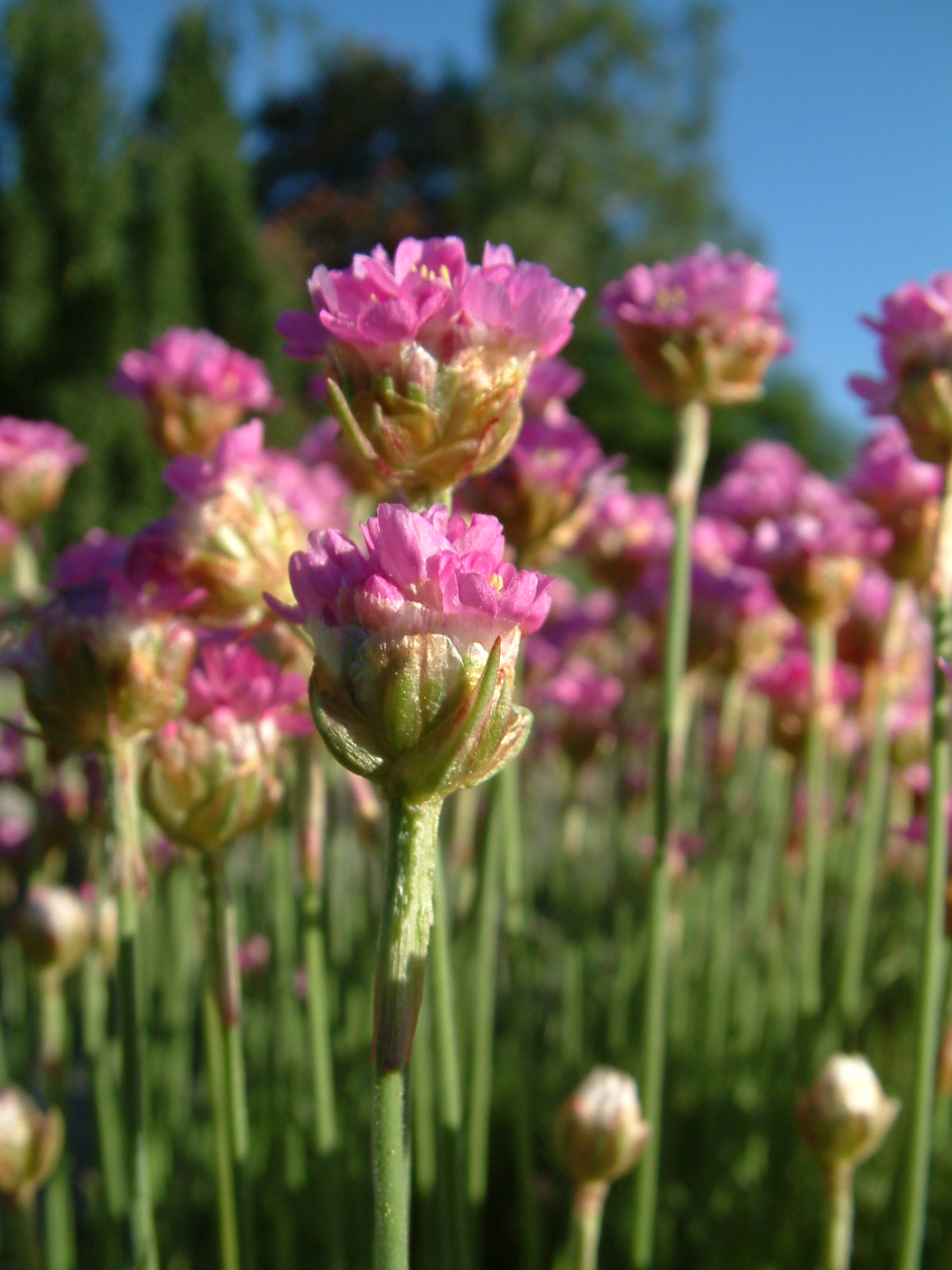 ThriftArmeria maritima
A low-growing perennial with pink globe-shaped blooms found near coasts and in gardens
🇨🇳 China and 7 more · Wildflower
ThriftArmeria maritima
A low-growing perennial with pink globe-shaped blooms found near coasts and in gardens
🇨🇳 China and 7 more · Wildflower
More from South Africa
All the flowers of South Africa Eucalyptus
The tall, aromatic trees and shrubs known as gum trees or eucalypts
🇦🇺 Australia and 7 more · Flowering tree
Eucalyptus
The tall, aromatic trees and shrubs known as gum trees or eucalypts
🇦🇺 Australia and 7 more · Flowering tree
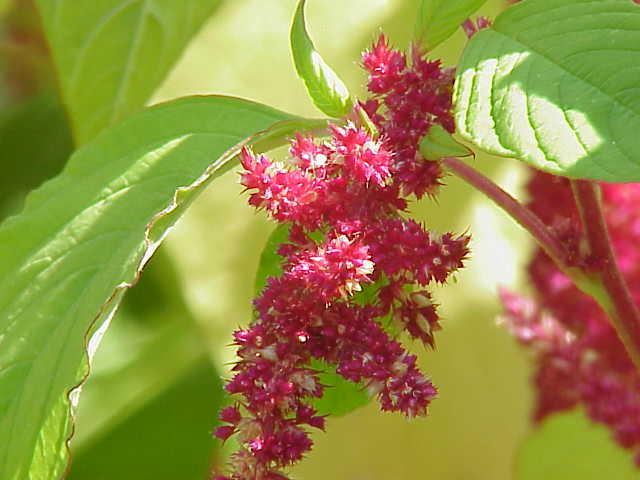 AmaranthAmaranthus
A tall, colourful plant grown for its flowers, leaves and edible seeds
🇲🇽 Mexico and 7 more · Wildflower
AmaranthAmaranthus
A tall, colourful plant grown for its flowers, leaves and edible seeds
🇲🇽 Mexico and 7 more · Wildflower
 Acacia
Shrubs and trees with golden or cream puffball flowers, native mostly to Australia
🇦🇺 Australia and 6 more · Wildflower
Acacia
Shrubs and trees with golden or cream puffball flowers, native mostly to Australia
🇦🇺 Australia and 6 more · Wildflower
 Sensitive PlantMimosa pudica
A touch-sensitive plant whose leaves fold up when disturbed
🇧🇷 Brazil and 8 more · Wildflower
Sensitive PlantMimosa pudica
A touch-sensitive plant whose leaves fold up when disturbed
🇧🇷 Brazil and 8 more · Wildflower