
Eastern pasqueflower
Pulsatilla patens, family Ranunculaceae
A wildflower of open lands from Europe to China, with feathery divided leaves
The Eastern pasqueflower is a perennial wildflower found across Europe, Russia, Mongolia, and China. It has finely divided leaves and blooms in early spring, and is known as the regional flower of Kanta-Häme in Finland.
- Native to Europe, Russia, Mongolia, and China
- Regional flower of Kanta-Häme, Finland
- Blooms early in spring before leaves fully expand
What does Eastern pasqueflower look like?
Eastern pasqueflower is a perennial plant with finely divided, feathery leaves. Its flowers appear in early spring, often before the leaves are fully grown. The blooms are usually upright and shaped like bells or cups, held on hairy stems. The plant belongs to the buttercup family and is found in open grasslands and meadows.
Where does Eastern pasqueflower come from?
This species is native to a wide area stretching from Europe through Russia and Mongolia to China, including the Xinjiang region. It was first described in 1753 as Anemone patens, and later placed in the genus Pulsatilla. Some botanists consider related North American plants as subspecies or varieties of Pulsatilla patens.
When and how Eastern pasqueflower blooms
The plant blooms in spring, sending up its flowers before or as the leaves unfold. It grows in open, often grassy places, and prefers well-drained soils. Pulsatilla patens is sometimes grown in gardens for its early flowers, but is most often seen in the wild.


How Eastern pasqueflower is used
Eastern pasqueflower is valued as a symbol in some regions. In Finland, it is the official flower of Kanta-Häme. The plant is mainly appreciated for its wild beauty and as a sign of early spring, rather than for practical uses.
Kinds of Eastern pasqueflower
There are two accepted subspecies: Pulsatilla patens subsp. patens and Pulsatilla patens subsp. multifida. The North American pasqueflower, Pulsatilla nuttalliana, is sometimes treated as a subspecies or variety of Pulsatilla patens.
What Eastern pasqueflower means
Pulsatilla patens is the regional flower of Kanta-Häme in Finland. Its early spring bloom makes it a sign of the changing season in the places where it grows. The plant’s delicate appearance and timing have made it a symbol of renewal in some cultures.
Questions people ask about Eastern pasqueflower
Where does the Eastern pasqueflower come from?
It is native to Europe, Russia, Mongolia, and China, and grows wild in open grasslands and meadows across these regions.
What does the Eastern pasqueflower look like?
It has finely divided, feathery leaves and upright, bell-shaped flowers that appear in early spring on hairy stems.
Is the Eastern pasqueflower used as a symbol?
Yes, it is the regional flower of Kanta-Häme in Finland and is valued as a sign of early spring.
Are there different forms of Pulsatilla patens?
Yes, there are two accepted subspecies: subsp. patens and subsp. multifida. Related North American plants are sometimes included as varieties.
Good reading and sources
- USDA Plants DatabaseUS Department of Agriculture, Article
- Plants of the World OnlineRoyal Botanic Gardens, Kew, Plant database
- Where it has been recordedGBIF, Plant database
- Sightings and photos by naturalistsiNaturalist, Plant database
- Pulsatilla patens on WikipediaEncyclopedia
- More photos on Wikimedia CommonsPhotos
- Wikidata recordOpen data
The facts on this page come from the Wikipedia article "Pulsatilla patens", written by its contributors and used under the CC BY-SA 4.0 licence, and from its Wikidata record (CC0). Phool rewrote the text in its own words, with AI assistance, and compares every page with the article to make sure no passage is copied. It may be reused under the same CC BY-SA 4.0 licence with a link back.
It may contain mistakes. It is not medical or foraging advice: many flowers are poisonous, and traditional uses are reported, not recommended. If something is wrong, tell us. Last refreshed 2026-10-03.
Others in the family Ranunculaceae
The whole family ButtercupRanunculus
A widespread group of bright, often shiny-petalled wild and garden flowers
Ranunculus · Wildflower
ButtercupRanunculus
A widespread group of bright, often shiny-petalled wild and garden flowers
Ranunculus · Wildflower
 Anemone
Perennial wildflowers with colorful, petal-like sepals known as windflowers
Anemone · Wildflower
Anemone
Perennial wildflowers with colorful, petal-like sepals known as windflowers
Anemone · Wildflower
 MonkshoodAconitum
Tall, hooded wildflowers of mountain meadows, known for beauty and deadly poison
Aconitum · Wildflower
MonkshoodAconitum
Tall, hooded wildflowers of mountain meadows, known for beauty and deadly poison
Aconitum · Wildflower
 Clematis
A climbing vine with showy flowers, prized in gardens worldwide
Clematis · Wildflower
Clematis
A climbing vine with showy flowers, prized in gardens worldwide
Clematis · Wildflower
More from China
All the flowers of China PeachPrunus persica
A flowering fruit tree from China, grown for its pink blossoms and sweet fruit
🇨🇳 China and 7 more · Flowering tree
PeachPrunus persica
A flowering fruit tree from China, grown for its pink blossoms and sweet fruit
🇨🇳 China and 7 more · Flowering tree
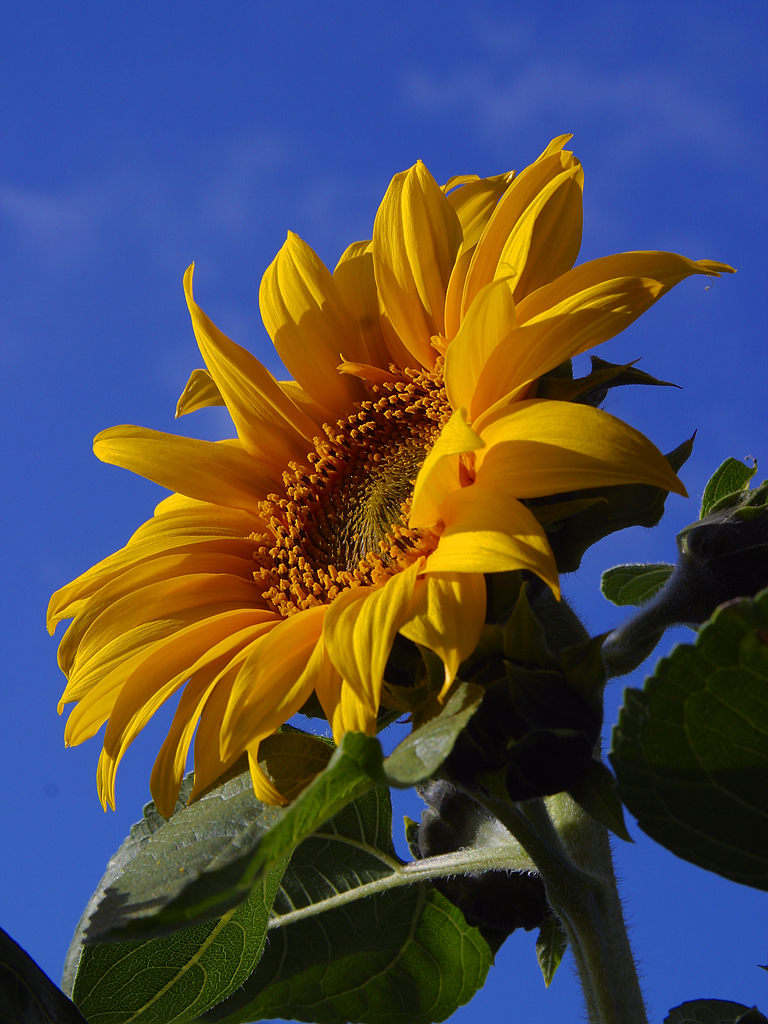 Common sunflowerHelianthus annuus
A tall annual plant grown for its large yellow flower heads and edible seeds
🇨🇦 Canada and 4 more · Wildflower
Common sunflowerHelianthus annuus
A tall annual plant grown for its large yellow flower heads and edible seeds
🇨🇦 Canada and 4 more · Wildflower
 PomegranatePunica granatum
A shrub with bright red flowers and a fruit full of edible seeds
🇮🇷 Iran and 9 more · Flowering shrub
PomegranatePunica granatum
A shrub with bright red flowers and a fruit full of edible seeds
🇮🇷 Iran and 9 more · Flowering shrub
 BirchBetula
Slender trees with papery bark found across the northern world
🇨🇳 China and 7 more · Wildflower
BirchBetula
Slender trees with papery bark found across the northern world
🇨🇳 China and 7 more · Wildflower