
Multiflora rose
Rosa multiflora, family Rosaceae
An East Asian scrambling wild rose with clusters of small white and pink blossoms
Multiflora rose is a vigorous climbing shrub native to East Asia, known for its arched thorny stems and dense sprays of small white or pink flowers in early summer. In addition to being grown as an ornamental hedge and grafting stock, its small red hips are brewed into herbal tea and used to aid digestion.
- A single mature bush can generate up to 500,000 seeds in a single growing season.
- Its seeds can stay viable in the ground for up to twenty years.
- The small reddish hips are brewed into herbal tea and used to treat constipation.
- Widely used by rosarians as a hardy rootstock for grafting ornamental varieties.
What does Multiflora rose look like?
This plant is a hardy perennial shrub with long, arching canes that climb over nearby vegetation, reaching heights between three and five metres. Its stems are stout and usually armed with curved thorns. Each leaf consists of five to nine toothed leaflets, set apart by distinctive fringed structures at the base of the leaf stalks. In early summer, the shrub produces generous branched clusters of petite blossoms measuring up to four centimetres across. The petals are either clean white or soft pink. Once flowering concludes, the bush forms small, round, red or purple hips that contain durable seeds.
Where does Multiflora rose come from?
The species grows naturally across eastern Asia, with populations native to China, Japan, and Korea. Travellers and horticulturists later transported it to North America for erosion control, ornamental planting, and farm hedgerows. Because the shrub produces massive quantities of long-lasting seeds and roots wherever cane tips touch damp ground, it rapidly escaped cultivation. Across much of eastern North America, it is now treated as an invasive weed that overtakes pastures, forest borders, open woods, and roadsides, forming tangled thickets that crowd out native flora.
When and how Multiflora rose blooms
Multiflora rose thrives in open pastures, along sunny road verges, and on forest edges. It does best under full sunlight and in well-drained, leaner soils, though it survives in partial shade. Flowering takes place during early summer. Individual plants can scatter hundreds of thousands of seeds every year, which can remain viable in the soil for up to two decades. It also spreads readily when its sweeping canes bend down and take root directly in the soil.


How Multiflora rose is used
Gardeners cultivate this rose for ornament and use its robust root systems as an understock for grafting delicate hybrid roses. Farmers previously planted it as a living barrier for livestock and to stabilise eroding ground. While considered a troublesome weed in pastures, browsing goats consume its foliage readily. The small hips, known historically as Eijitsu or Rosae fructus, are harvested to brew herbal tea and prepared in traditional remedies to relieve constipation.
Kinds of Multiflora rose
Botanists recognise distinct botanical varieties of this rose, including the typical form Rosa multiflora var. multiflora, as well as varieties cathayensis and adenochaeta. The plant should not be confused with the wrinkled-leaved Rosa rugosa, which also shares the name Japanese rose. It has also served as a parent for polyantha garden roses, but remains a distinct wild species.
What Multiflora rose means
In North American agricultural areas, the shrub is widely designated as a noxious weed because its impenetrable thickets disrupt grazing. Controlling it requires complete removal of roots or relying on natural biological agents, such as the rose rosette condition or specialized seed chalcid wasps, which help suppress wild stands.
Questions people ask about Multiflora rose
Where is multiflora rose native to?
Multiflora rose is native to eastern Asia, where it grows wild across China, Japan, and Korea. It was later brought to North America, where it spread aggressively into wild lands.
What are the traditional uses of multiflora rose?
The plant has been used as a living hedge, erosion barrier, and grafting rootstock. Its dried hips, called Eijitsu, are brewed into tea and taken in traditional medicine to help with constipation.
How do you identify multiflora rose?
It is recognised by its climbing stems, clusters of small white or pink early-summer flowers, and distinctive feathered fringes at the base of every leaf stalk.
Why is it considered a pest in North America?
Because it roots wherever cane tips touch ground and scatters vast quantities of durable seeds, creating impenetrable briar patches that smother native plants and overtake farm pastures.
Good reading and sources
- Encyclopaedia BritannicaArticle
- Species: Rosa multifloraUS Department of Agriculture, Article
- Plants of the World OnlineRoyal Botanic Gardens, Kew, Plant database
- Where it has been recordedGBIF, Plant database
- Sightings and photos by naturalistsiNaturalist, Plant database
- Rosa multiflora on WikipediaEncyclopedia
- More photos on Wikimedia CommonsPhotos
- Wikidata recordOpen data
The facts on this page come from the Wikipedia article "Rosa multiflora", written by its contributors and used under the CC BY-SA 4.0 licence, and from its Wikidata record (CC0). EveryPhool rewrote the text in its own words, with AI assistance, and compares every page with the article to make sure no passage is copied. It may be reused under the same CC BY-SA 4.0 licence with a link back.
It may contain mistakes. It is not medical or foraging advice: many flowers are poisonous, and traditional uses are reported, not recommended. If something is wrong, tell us. Last refreshed 2026-10-04.
Others in the family Rosaceae
The whole family PeachPrunus persica
A flowering fruit tree from China, grown for its pink blossoms and sweet fruit
🇨🇳 China and 7 more · Flowering tree
PeachPrunus persica
A flowering fruit tree from China, grown for its pink blossoms and sweet fruit
🇨🇳 China and 7 more · Flowering tree
 AlmondPrunus amygdalus
A Mediterranean tree grown for its fragrant spring flowers and edible seeds
🇮🇷 Iran and 6 more · Flowering tree
AlmondPrunus amygdalus
A Mediterranean tree grown for its fragrant spring flowers and edible seeds
🇮🇷 Iran and 6 more · Flowering tree
 ApricotPrunus armeniaca
A small fruit tree with early white to pink blossoms and golden-orange fruit
🇨🇳 China and 6 more · Flowering tree
ApricotPrunus armeniaca
A small fruit tree with early white to pink blossoms and golden-orange fruit
🇨🇳 China and 6 more · Flowering tree
 Wild cherryPrunus avium
A tall flowering tree native to Europe, grown for its sweet fruit and spring blossom
🇮🇹 Italy and 6 more · Flowering tree
Wild cherryPrunus avium
A tall flowering tree native to Europe, grown for its sweet fruit and spring blossom
🇮🇹 Italy and 6 more · Flowering tree
More from China
All the flowers of China RoseRosa
Prickly flowering shrubs grown across the world for fragrant blossoms and rose hips
🇨🇳 China and 7 more · Flowering shrub
RoseRosa
Prickly flowering shrubs grown across the world for fragrant blossoms and rose hips
🇨🇳 China and 7 more · Flowering shrub
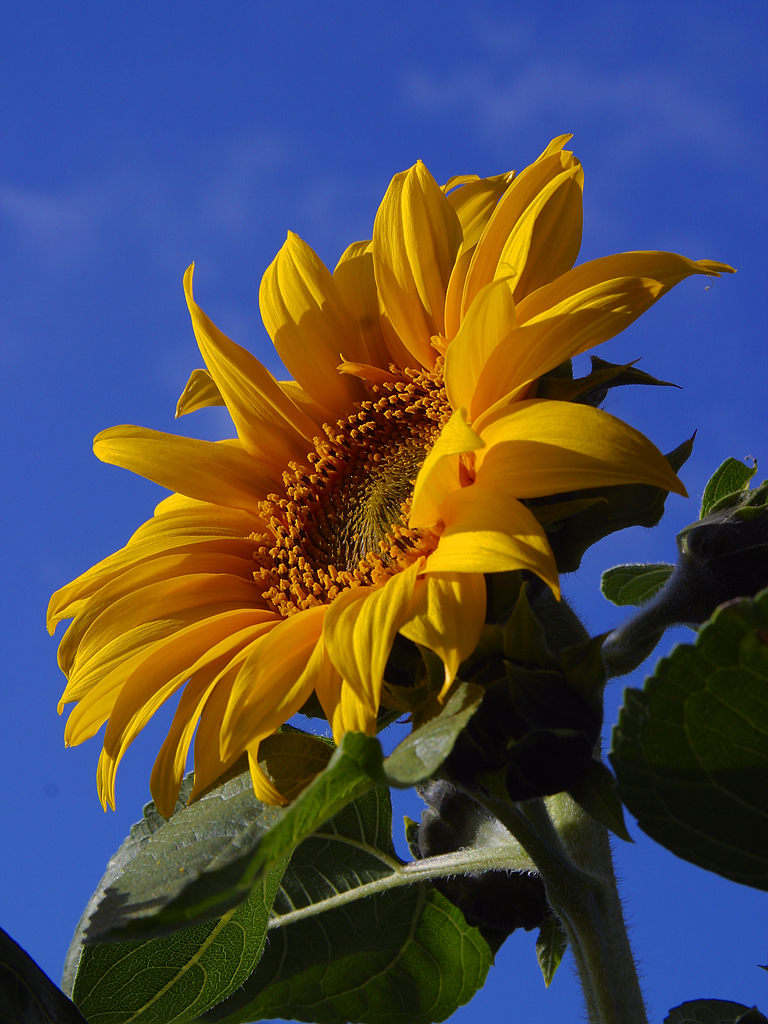 Common sunflowerHelianthus annuus
A tall annual plant grown for its large yellow flower heads and edible seeds
🇨🇦 Canada and 4 more · Wildflower
Common sunflowerHelianthus annuus
A tall annual plant grown for its large yellow flower heads and edible seeds
🇨🇦 Canada and 4 more · Wildflower
 PomegranatePunica granatum
A shrub with bright red flowers and a fruit full of edible seeds
🇮🇷 Iran and 9 more · Flowering shrub
PomegranatePunica granatum
A shrub with bright red flowers and a fruit full of edible seeds
🇮🇷 Iran and 9 more · Flowering shrub
 BirchBetula
Slender trees with papery bark found across the northern world
🇨🇳 China and 7 more · Wildflower
BirchBetula
Slender trees with papery bark found across the northern world
🇨🇳 China and 7 more · Wildflower