
Rutaceae
The aromatic plant family of citrus fruits, fragrant shrubs, and spice trees
Rutaceae is a large family of mostly woody flowering plants found in warm temperate and subtropical regions. Known for strong citrus scents, five-parted blooms, and gland-dotted leaves, its species provide edible fruits, spices, perfumes, and medicines.
- Contains around 160 genera, ranging from small herbs to fragrant shrubs and tall trees.
- Leaves, flowers, and fruits feature transparent glands that release a citrus scent when crushed.
- Includes economically vital crops such as oranges, lemons, limes, and Sichuan pepper.
- Western Australian Boronia flowers are harvested for valuable aromatic oils used in perfumery.
What does Rutaceae look like?
Rutaceae is a large botanical family made up mostly of woody shrubs and trees, along with a few herbaceous species. Its members are known for their distinct citrus fragrance, which releases whenever stems, foliage, or bark are bruised. The leaves are frequently compound and lack small appendages called stipules, though some stems carry sharp thorns. Both the foliage, petals, and fruits display tiny translucent dots or pits known as pellucid glands. Individual blossoms contain both male and female reproductive structures. These flowers typically split into four or five parts and gather together in branched clusters termed cymes or panicles. Depending on the species, the plants develop fleshy hesperidium fruits, dry opening capsules, or fleshy stone fruits called drupes.
Where does Rutaceae come from?
Antoine Laurent de Jussieu formally described the family in his 1789 publication, Genera Plantarum, designating the genus Ruta as the type. Evolutionary evidence shows that the group originated roughly 100 million years ago during the Upper Cretaceous period within the order Sapindales. It shares a close ancestral relationship with the mahogany family, Meliaceae. Fossil records of the genus Zanthoxylum date back across epochs from the Eocene to the Pleistocene, with specimens discovered in rock layers across Europe and southern China. Early taxonomic systems organized the family according to fruit structure, though modern genetic analyses have substantially revised these subfamilies.
When and how Rutaceae blooms
These plants thrive across warm temperate and subtropical environments around the globe. Many species produce clusters of blossoms featuring four or five segments that carry potent aromatic oils. The flowers are bisexual, bearing functioning male and female organs on the same bloom. Transparent oil glands embedded across the floral tissue and outer rind help generate their strong fragrance. Depending on the genus, the flowers develop into gland-dotted citrus fruits with segmented pulp, dry seed capsules, or single-seeded drupes.

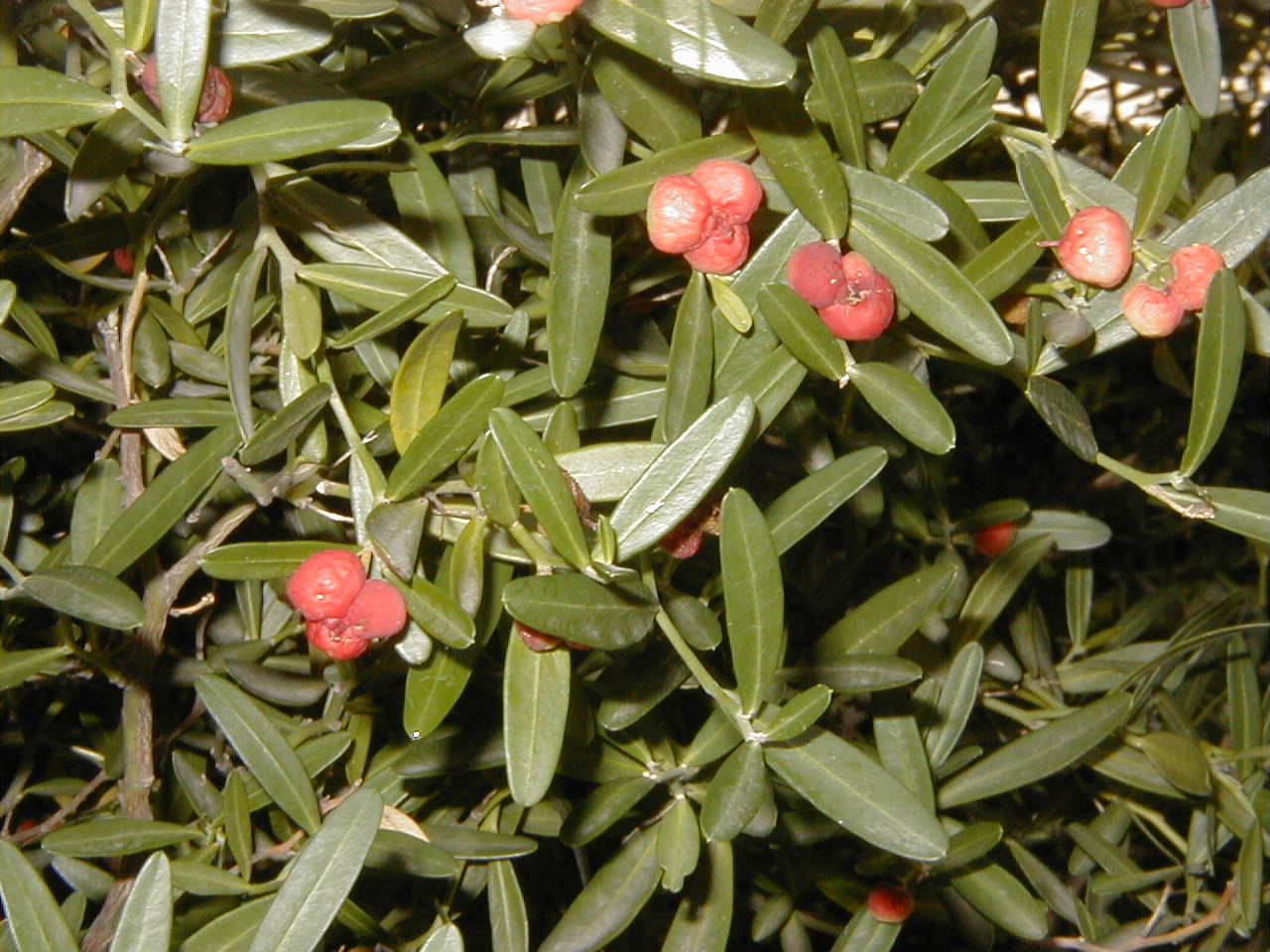


How Rutaceae is used
The family provides immense economic and culinary value. The genus Citrus supplies table fruits such as oranges, lemons, limes, kumquats, mandarins, and grapefruits, alongside other edible fruits like bael. In cooking, curry tree leaves serve as seasoning across South Asia, while Zanthoxylum species yield Sichuan pepper. Perfumers extract fragrant essential oils from blossoms such as Western Australian Boronia megastigma. In horticulture, gardeners plant ornamental genera including Murraya and Skimmia. Traditional herbalism uses Ruta, while medical science extracts pilocarpine from South American Pilocarpus shrubs to treat glaucoma.
Kinds of Rutaceae
The family contains roughly 160 genera with diverse forms. Citrus is the most commercially prominent group, famous worldwide for edible citrus fruits. Boronia is a major Australian genus prized for its intensely scented blooms. Zanthoxylum includes pepper-bearing shrubs and trees found across several continents. Melicope and Agathosma form other substantial branches. In South America, Pilocarpus species such as Pilocarpus jaborandi in Brazil and Pilocarpus pennatifolius in Paraguay are valued for therapeutic alkaloids.
Questions people ask about Rutaceae
Where do plants in the Rutaceae family grow?
Rutaceae species flourish naturally in warm temperate and subtropical climates worldwide. Members and fossil records occur across diverse regions, including Australia, South America, Europe, China, and the Indian subcontinent.
What are the main characteristics of Rutaceae flowers?
Flowers in this family are bisexual, containing both male and female parts. They generally divide into four or five sections, grow in clustered formations, and carry clear glands filled with potent fragrant oils.
What are the most common uses for plants in this family?
The family yields edible fruits like oranges and grapefruits, culinary spices including curry leaves and Sichuan pepper, perfumery oils from Boronia blooms, garden ornamentals, and medicinal compounds such as pilocarpine for glaucoma.
Which well-known plants belong to the Rutaceae family?
Notable members include all Citrus species such as lemons and oranges, the curry tree, bael, garden Skimmia, rue, and pepper-producing Zanthoxylum trees, as well as fragrant Australian Boronia shrubs.
Good reading and sources
- Encyclopaedia BritannicaArticle
- Plants of the World OnlineRoyal Botanic Gardens, Kew, Plant database
- Where it has been recordedGBIF, Plant database
- Sightings and photos by naturalistsiNaturalist, Plant database
The facts on this page come from the Wikipedia article "Rutaceae", written by its contributors and used under the CC BY-SA 4.0 licence, and from its Wikidata record (CC0). EveryPhool rewrote the text in its own words, with AI assistance, and compares every page with the article to make sure no passage is copied. It may be reused under the same CC BY-SA 4.0 licence with a link back.
It may contain mistakes. It is not medical or foraging advice: many flowers are poisonous, and traditional uses are reported, not recommended. If something is wrong, tell us. Last refreshed 2026-10-04.
Others in the family Rutaceae
The whole family Bitter orangeCitrus × aurantium
The citrus tree behind Seville orange marmalade and Neroli oil
🇨🇳 China and 6 more · Flowering tree
Bitter orangeCitrus × aurantium
The citrus tree behind Seville orange marmalade and Neroli oil
🇨🇳 China and 6 more · Flowering tree
 BaelAegle marmelos
A spiny tree with fragrant yellow-green flowers and hard-shelled aromatic fruit
🇮🇳 India and 6 more · Flowering tree
BaelAegle marmelos
A spiny tree with fragrant yellow-green flowers and hard-shelled aromatic fruit
🇮🇳 India and 6 more · Flowering tree
 Tachibana orangeCitrus × tachibana
A wild mandarin orange found in the forests of Japan
🇯🇵 Japan and 1 more · Wildflower
Tachibana orangeCitrus × tachibana
A wild mandarin orange found in the forests of Japan
🇯🇵 Japan and 1 more · Wildflower
 Philotheca
A group of Australian shrubs with delicate five-petalled flowers
🇦🇺 Australia · Flowering shrub
Philotheca
A group of Australian shrubs with delicate five-petalled flowers
🇦🇺 Australia · Flowering shrub
More from Australia
All the flowers of Australia AlmondPrunus amygdalus
A Mediterranean tree grown for its fragrant spring flowers and edible seeds
🇮🇷 Iran and 6 more · Flowering tree
AlmondPrunus amygdalus
A Mediterranean tree grown for its fragrant spring flowers and edible seeds
🇮🇷 Iran and 6 more · Flowering tree
 FennelFoeniculum vulgare
A tall, aromatic herb with feathery leaves and yellow umbels, used for food and spice
🇨🇳 China and 7 more · Herb or useful flower
FennelFoeniculum vulgare
A tall, aromatic herb with feathery leaves and yellow umbels, used for food and spice
🇨🇳 China and 7 more · Herb or useful flower
 RosemarySalvia rosmarinus
A fragrant evergreen shrub with needle-like leaves and purple, blue, or white flowers
🇪🇸 Spain and 5 more · Flowering shrub
RosemarySalvia rosmarinus
A fragrant evergreen shrub with needle-like leaves and purple, blue, or white flowers
🇪🇸 Spain and 5 more · Flowering shrub
 Eucalyptus
The tall, aromatic trees and shrubs known as gum trees or eucalypts
🇦🇺 Australia and 7 more · Flowering tree
Eucalyptus
The tall, aromatic trees and shrubs known as gum trees or eucalypts
🇦🇺 Australia and 7 more · Flowering tree