
Tricyrtis
A shade-loving Asian perennial with spotted, trumpet-shaped flowers
Tricyrtis, or toad lilies, are perennial plants in the lily family native to the Himalayas and eastern Asia, including China, Japan, Taiwan, and the Philippines. Their showy, trumpet-shaped flowers with purple spots bloom from summer to fall, and a few species are grown as ornamentals in gardens elsewhere.
- Tricyrtis is also known as toad lily.
- Native from the Himalayas to eastern Asia, including Japan and China.
- Flowers are white or yellow with purple spots and bloom in summer to fall.
- Grows best in shade or part shade with moist, rich soil.
- About 20 species are recognized in the genus.
What does Tricyrtis look like?
Tricyrtis are perennial herbs with creeping rhizomes and upright or arching stems. Their leaves grow alternately along the stem. The flowers are solitary, trumpet- or bell-shaped, and stand out for their six tepals, which are white or yellow and marked with purplish spots. The tepals are arranged in two whorls, with the outer ones forming nectar pouches and the inner ones crested. The fruit is a three-angled capsule that splits open to release many small, flat seeds.
Where does Tricyrtis come from?
This genus is native to a broad region stretching from the Himalayas through eastern Asia, including China, Japan, Taiwan, and the Philippines. Tricyrtis species typically grow at the edges of forests, thriving in the shade and moist, rich soils of their native habitats. The genus contains about 20 species, grouped into four sections. Some species have been introduced to gardens outside their native range for their ornamental value.
When and how Tricyrtis blooms
Tricyrtis plants bloom from summer into fall. They grow best in shaded or partially shaded spots with moist, fertile soil. The plants spread by creeping rhizomes and can handle sudden winter changes from mild to cold. In gardens, they are valued for their late-season flowers and ability to brighten shady areas.


How Tricyrtis is used
Toad lilies are mainly grown for their decorative flowers in gardens, especially in shaded borders or woodland gardens. Their unusual, spotted blooms make them a choice for gardeners seeking interest late in the season. There is no mention of use in worship, medicine, or food in the sources.
Kinds of Tricyrtis
The genus Tricyrtis includes about 20 species, divided into four sections. While the sources do not list individual species, some are more widely cultivated for their ornamental qualities. Differences among species may include flower color, spotting, and growth habit.
What Tricyrtis means
Tricyrtis is valued for its ornamental appeal, especially in shade gardens. The flowers' spotted appearance and late blooming time make them distinctive among garden perennials. The sources do not mention any particular symbolism, religious use, or status as an emblem.
Questions people ask about Tricyrtis
Where does Tricyrtis come from?
Tricyrtis is native to the Himalayas and eastern Asia, including China, Japan, Taiwan, and the Philippines. It typically grows at the edge of forests in these regions.
What does a Tricyrtis flower look like?
The flowers are trumpet- or bell-shaped, with six tepals that are white or yellow and marked with purplish spots. They are showy and often solitary, adding interest to shaded garden areas.
When does Tricyrtis bloom?
Tricyrtis blooms from summer into fall, providing flowers late in the growing season when many other plants have finished blooming.
How is Tricyrtis used?
Tricyrtis is mainly grown as an ornamental plant in gardens, especially in shaded or woodland areas, for its attractive and unusual flowers.
Does Tricyrtis have any special meaning or symbolism?
The sources do not mention any specific symbolism, religious use, or cultural meaning for Tricyrtis.
Good reading and sources
- USDA Plants DatabaseUS Department of Agriculture, Article
- Plants of the World OnlineRoyal Botanic Gardens, Kew, Plant database
- Where it has been recordedGBIF, Plant database
- Sightings and photos by naturalistsiNaturalist, Plant database
The facts on this page come from the Wikipedia article "Tricyrtis", written by its contributors and used under the CC BY-SA 4.0 licence, and from its Wikidata record (CC0). Phool rewrote the text in its own words, with AI assistance, and compares every page with the article to make sure no passage is copied. It may be reused under the same CC BY-SA 4.0 licence with a link back.
It may contain mistakes. It is not medical or foraging advice: many flowers are poisonous, and traditional uses are reported, not recommended. If something is wrong, tell us. Last refreshed 2026-10-03.
Others in the family Liliaceae
The whole family TulipTulipa
Spring-blooming bulbs with showy, cup-shaped flowers in many colours
🇳🇱 Netherlands and 7 more · Wildflower
TulipTulipa
Spring-blooming bulbs with showy, cup-shaped flowers in many colours
🇳🇱 Netherlands and 7 more · Wildflower
 LilyLilium
Tall bulb flowers with large, colourful blooms in many gardens and cultures
Lilium · Wildflower
LilyLilium
Tall bulb flowers with large, colourful blooms in many gardens and cultures
Lilium · Wildflower
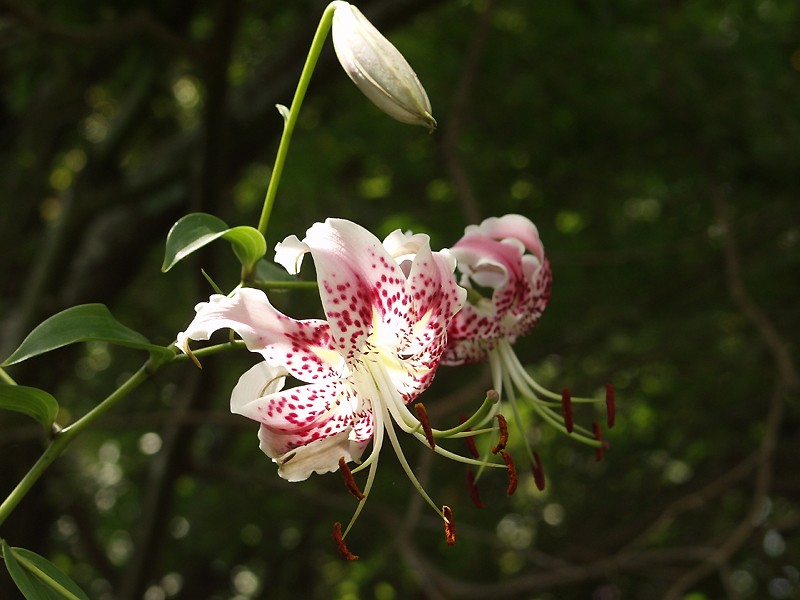 Lilium speciosum
A late-summer lily with fragrant white to pink flowers from East Asia
🇯🇵 Japan and 2 more · Wildflower
Lilium speciosum
A late-summer lily with fragrant white to pink flowers from East Asia
🇯🇵 Japan and 2 more · Wildflower
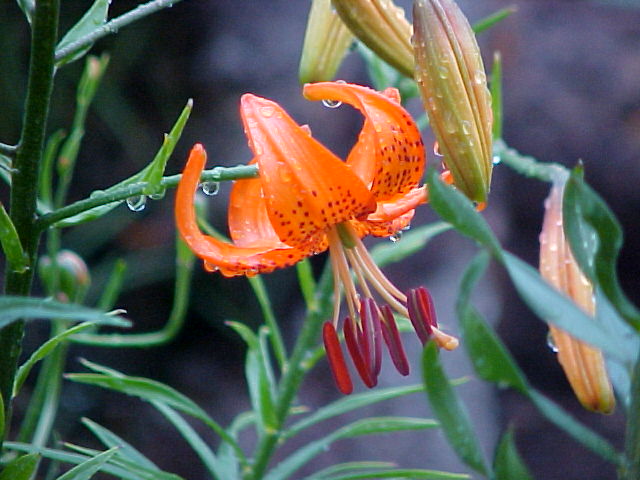 Lilium davidii
A tall Asian lily with edible bulbs and orange recurved flowers
🇨🇳 China and 1 more · Wildflower
Lilium davidii
A tall Asian lily with edible bulbs and orange recurved flowers
🇨🇳 China and 1 more · Wildflower
More from China
All the flowers of China PeachPrunus persica
A flowering fruit tree from China, grown for its pink blossoms and sweet fruit
🇨🇳 China and 7 more · Flowering tree
PeachPrunus persica
A flowering fruit tree from China, grown for its pink blossoms and sweet fruit
🇨🇳 China and 7 more · Flowering tree
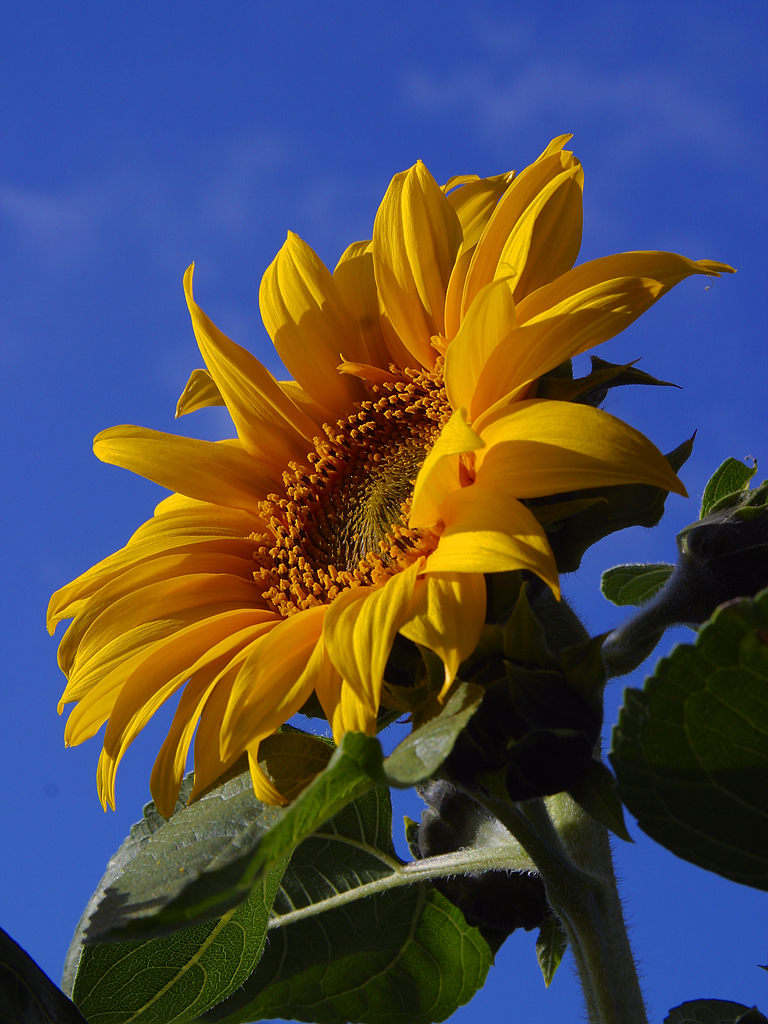 Common sunflowerHelianthus annuus
A tall annual plant grown for its large yellow flower heads and edible seeds
🇨🇦 Canada and 4 more · Wildflower
Common sunflowerHelianthus annuus
A tall annual plant grown for its large yellow flower heads and edible seeds
🇨🇦 Canada and 4 more · Wildflower
 PomegranatePunica granatum
A shrub with bright red flowers and a fruit full of edible seeds
🇮🇷 Iran and 9 more · Flowering shrub
PomegranatePunica granatum
A shrub with bright red flowers and a fruit full of edible seeds
🇮🇷 Iran and 9 more · Flowering shrub
 BirchBetula
Slender trees with papery bark found across the northern world
🇨🇳 China and 7 more · Wildflower
BirchBetula
Slender trees with papery bark found across the northern world
🇨🇳 China and 7 more · Wildflower