
Asian globeflower
Trollius asiaticus, family Ranunculaceae
A wetland flower of Asia and Europe with globe-shaped blooms
The Asian globeflower is a perennial plant from the buttercup family, found in wet grasslands and forests across Asia and parts of Europe. It grows to about 20 cm or more, with variable flower and leaf shapes, and is valued as an ornamental plant.
- Grows in wet grasslands and forests of Asia and Europe
- Flower and leaf shapes vary widely within the species
- Considered a key ancestor for related globeflower species
What does Asian globeflower look like?
The Asian globeflower is a perennial plant that usually reaches at least 20 cm in height. It grows in wet places, such as grasslands and forests. The plant shows a lot of variation in the size and shape of its flowers and leaves, with differences in sepal length, petal width, and beak size. Its flowers are globe-shaped, which gives the plant its common name.
Where does Asian globeflower come from?
Trollius asiaticus is native to Asia and Europe, with a particular presence in China and the Xinjiang region. It thrives in moist environments, especially in grasslands and forested areas. The species is considered important in the evolution of its genus, as it is seen as a maternal ancestor to other species like T. altaicus and T. sajanensis.
When and how Asian globeflower blooms
This plant grows naturally in wet soils, often in grasslands and forests where moisture is abundant. It can be grown as an ornamental in gardens that can provide similar conditions. The plant is propagated from seed or by dividing established clumps, and it prefers cool, damp locations.
How Asian globeflower is used
The Asian globeflower is mainly grown as an ornamental plant in gardens, valued for its attractive globe-shaped flowers and its ability to thrive in wet spots. It is not mentioned as having specific uses in ceremonies, food, or medicine in the sources.
Kinds of Asian globeflower
There is considerable variability within Trollius asiaticus, with differences in flower and leaf shape. Related species, such as T. vitalli, T. sajanensis, and T. sibiricus, are found in nearby regions but are distinguished by shorter petals and other features.
What Asian globeflower means
Trollius asiaticus is mainly appreciated as a garden flower and for its role in plant evolution within its genus. The sources do not mention any special symbolism, festival, or religious significance attached to this species.
Questions people ask about Asian globeflower
Where does the Asian globeflower come from?
The Asian globeflower is native to Asia and Europe, especially in wet grasslands and forests, with a notable presence in China and the Xinjiang region.
What does Trollius asiaticus look like?
It is a perennial plant that grows to about 20 cm or more, with globe-shaped flowers and leaves that can vary in shape and size.
How is the Asian globeflower used?
It is mainly grown as an ornamental plant in gardens, appreciated for its attractive flowers and ability to grow in wet areas.
Are there different forms of Trollius asiaticus?
Yes, the species shows considerable variation in flower and leaf shapes. Related species with shorter petals are found in nearby regions.
Does the Asian globeflower have any special meaning or use in tradition?
The sources do not mention any particular symbolism, festival, or religious use for this species.
Good reading and sources
- Trollius asiaticusRoyal Horticultural Society, Article
- Plants of the World OnlineRoyal Botanic Gardens, Kew, Plant database
- Where it has been recordedGBIF, Plant database
- Sightings and photos by naturalistsiNaturalist, Plant database
- Trollius asiaticus on WikipediaEncyclopedia
- More photos on Wikimedia CommonsPhotos
- Wikidata recordOpen data
The facts on this page come from the Wikipedia article "Trollius asiaticus", written by its contributors and used under the CC BY-SA 4.0 licence, and from its Wikidata record (CC0). Phool rewrote the text in its own words, with AI assistance, and compares every page with the article to make sure no passage is copied. It may be reused under the same CC BY-SA 4.0 licence with a link back.
It may contain mistakes. It is not medical or foraging advice: many flowers are poisonous, and traditional uses are reported, not recommended. If something is wrong, tell us. Last refreshed 2026-10-03.
Others in the family Ranunculaceae
The whole family ButtercupRanunculus
A widespread group of bright, often shiny-petalled wild and garden flowers
Ranunculus · Wildflower
ButtercupRanunculus
A widespread group of bright, often shiny-petalled wild and garden flowers
Ranunculus · Wildflower
 Anemone
Perennial wildflowers with colorful, petal-like sepals known as windflowers
Anemone · Wildflower
Anemone
Perennial wildflowers with colorful, petal-like sepals known as windflowers
Anemone · Wildflower
 MonkshoodAconitum
Tall, hooded wildflowers of mountain meadows, known for beauty and deadly poison
Aconitum · Wildflower
MonkshoodAconitum
Tall, hooded wildflowers of mountain meadows, known for beauty and deadly poison
Aconitum · Wildflower
 Clematis
A climbing vine with showy flowers, prized in gardens worldwide
Clematis · Wildflower
Clematis
A climbing vine with showy flowers, prized in gardens worldwide
Clematis · Wildflower
More from China
All the flowers of China PeachPrunus persica
A flowering fruit tree from China, grown for its pink blossoms and sweet fruit
🇨🇳 China and 7 more · Flowering tree
PeachPrunus persica
A flowering fruit tree from China, grown for its pink blossoms and sweet fruit
🇨🇳 China and 7 more · Flowering tree
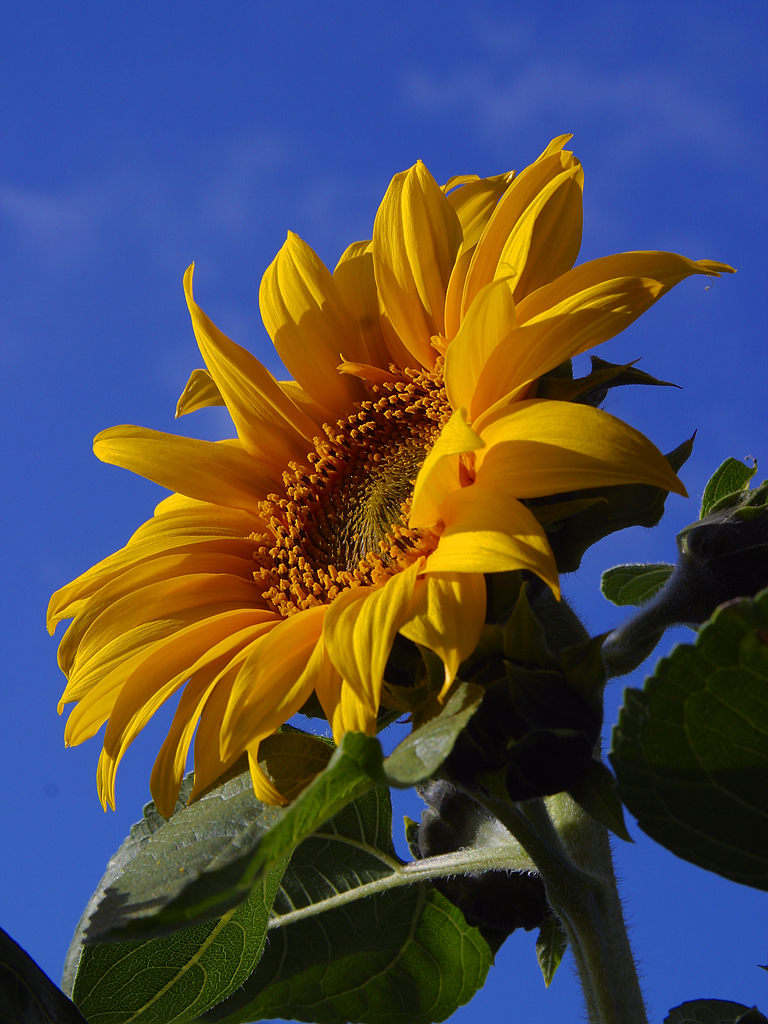 Common sunflowerHelianthus annuus
A tall annual plant grown for its large yellow flower heads and edible seeds
🇨🇦 Canada and 4 more · Wildflower
Common sunflowerHelianthus annuus
A tall annual plant grown for its large yellow flower heads and edible seeds
🇨🇦 Canada and 4 more · Wildflower
 PomegranatePunica granatum
A shrub with bright red flowers and a fruit full of edible seeds
🇮🇷 Iran and 9 more · Flowering shrub
PomegranatePunica granatum
A shrub with bright red flowers and a fruit full of edible seeds
🇮🇷 Iran and 9 more · Flowering shrub
 BirchBetula
Slender trees with papery bark found across the northern world
🇨🇳 China and 7 more · Wildflower
BirchBetula
Slender trees with papery bark found across the northern world
🇨🇳 China and 7 more · Wildflower