
Globeflower
Trollius europaeus, family Ranunculaceae
A bright yellow wildflower of damp woods and meadows in Europe and western Asia
Globeflower (Trollius europaeus) is a perennial plant with rounded yellow flowers, found in damp, shady places across Europe and western Asia. It grows up to 60 cm tall and is valued for its globe-shaped blooms, which appear in early summer and are a symbol in Udmurtia.
- Bright yellow, globe-shaped flowers up to 3 cm across
- Native to Europe and western Asia; protected in Russia and Bulgaria
- National symbol of Udmurtia, Russia
- Blooms in summer, from June to August
- Grows in damp, shady woodlands and meadows
What does Globeflower look like?
Globeflower is a perennial plant that reaches up to 60 cm in height. Its most striking feature is the bright yellow, globe-shaped flower, about 3 cm across. The rounded look comes from petaloid sepals that cover the smaller, less noticeable true petals. The leaves are deeply divided into three to five toothed lobes. Each flower contains many stamens and forms wrinkled seed pods called follicles.
Where does Globeflower come from?
Trollius europaeus is native to Europe and western Asia, where it grows wild in damp, shady spots such as woodlands and scrub. It is especially noted in Russia and Bulgaria, where it is protected. In Udmurtia, a region of Russia, the globeflower is a national symbol and lends its name to various local features. Its scientific name places it within the buttercup family, Ranunculaceae.
When and how Globeflower blooms
Globeflower blooms from June to August. It prefers moist soils and partial shade, often found in woodlands or damp meadows. The plant is pollinated mainly by flies of the genus Chiastocheta, which are attracted to the flower’s structure and nectar. Gardeners may grow it in similar cool, damp conditions for its ornamental value.


How Globeflower is used
In the wild, globeflower adds bright color to shady, damp places. It is sometimes grown in gardens for its unique globe-shaped blooms. In Udmurtia, it is a symbol of the region, with many local objects named after it. The plant is protected in Russia and Bulgaria, reflecting its cultural and ecological importance.
Kinds of Globeflower
There are no notable cultivated varieties or subspecies mentioned in the sources. The species is recognized mainly in its wild form, valued for its distinctive flower shape and color.
What Globeflower means
Globeflower is a national symbol in Udmurtia, Russia, and is protected by law in both Russia and Bulgaria. Its bright yellow flowers are associated with the region’s identity, and the plant’s name is used for various local features. Its conservation status highlights its importance in local culture and nature.
Where to see Globeflower

Questions people ask about Globeflower
Where does the globeflower come from?
Globeflower is native to Europe and western Asia. It grows wild in damp, shady places such as woodlands and meadows, and is especially noted in Russia and Bulgaria.
What does the globeflower look like?
The plant grows up to 60 cm tall and has bright yellow, globe-shaped flowers about 3 cm across. Its leaves are deeply divided and toothed.
When does the globeflower bloom?
It blooms in summer, typically from June to August in its native range.
What is the cultural significance of the globeflower?
In Udmurtia, Russia, the globeflower is a national symbol and its name is used for many local features. It is also protected in Russia and Bulgaria.
Is the globeflower used in gardens?
Yes, it is sometimes grown in gardens for its unique globe-shaped yellow flowers, especially in cool, damp, and shady spots.
Good reading and sources
- Encyclopaedia BritannicaArticle
- Plants of the World OnlineRoyal Botanic Gardens, Kew, Plant database
- Where it has been recordedGBIF, Plant database
- Sightings and photos by naturalistsiNaturalist, Plant database
- Trollius europaeus on WikipediaEncyclopedia
- More photos on Wikimedia CommonsPhotos
- Wikidata recordOpen data
The facts on this page come from the Wikipedia article "Trollius europaeus", written by its contributors and used under the CC BY-SA 4.0 licence, and from its Wikidata record (CC0). Phool rewrote the text in its own words, with AI assistance, and compares every page with the article to make sure no passage is copied. It may be reused under the same CC BY-SA 4.0 licence with a link back.
It may contain mistakes. It is not medical or foraging advice: many flowers are poisonous, and traditional uses are reported, not recommended. If something is wrong, tell us. Last refreshed 2026-10-03.
Others in the family Ranunculaceae
The whole family ButtercupRanunculus
A widespread group of bright, often shiny-petalled wild and garden flowers
Ranunculus · Wildflower
ButtercupRanunculus
A widespread group of bright, often shiny-petalled wild and garden flowers
Ranunculus · Wildflower
 Anemone
Perennial wildflowers with colorful, petal-like sepals known as windflowers
Anemone · Wildflower
Anemone
Perennial wildflowers with colorful, petal-like sepals known as windflowers
Anemone · Wildflower
 MonkshoodAconitum
Tall, hooded wildflowers of mountain meadows, known for beauty and deadly poison
Aconitum · Wildflower
MonkshoodAconitum
Tall, hooded wildflowers of mountain meadows, known for beauty and deadly poison
Aconitum · Wildflower
 Clematis
A climbing vine with showy flowers, prized in gardens worldwide
Clematis · Wildflower
Clematis
A climbing vine with showy flowers, prized in gardens worldwide
Clematis · Wildflower
More from Russia
All the flowers of Russia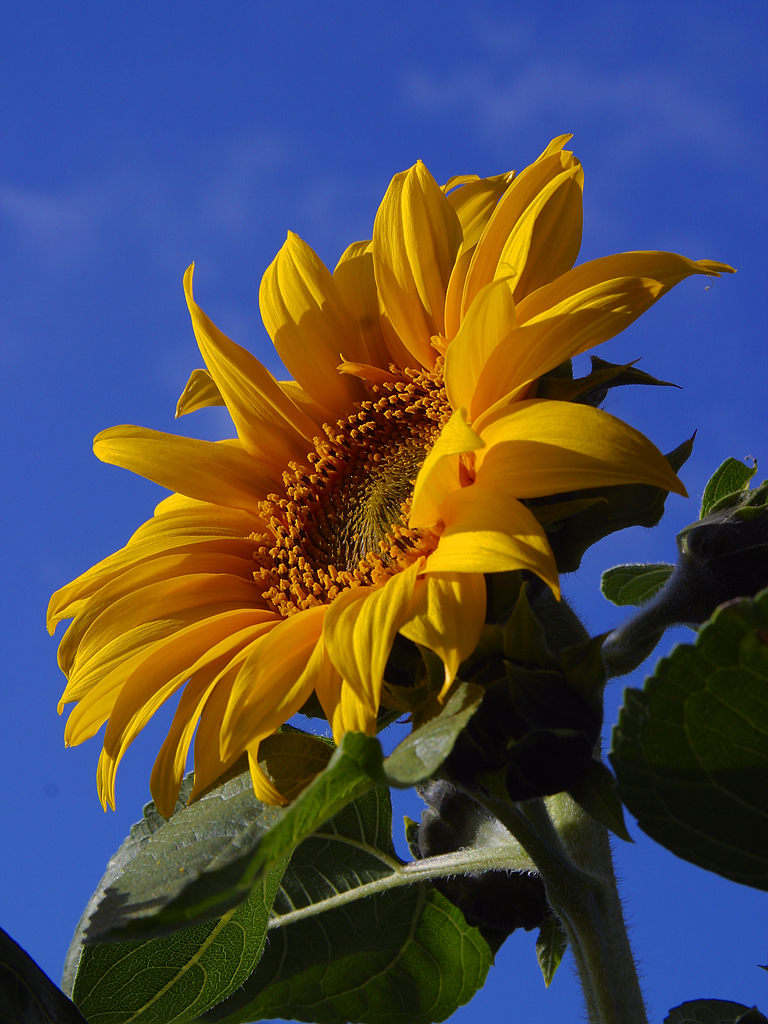 Common sunflowerHelianthus annuus
A tall annual plant grown for its large yellow flower heads and edible seeds
🇨🇦 Canada and 4 more · Wildflower
Common sunflowerHelianthus annuus
A tall annual plant grown for its large yellow flower heads and edible seeds
🇨🇦 Canada and 4 more · Wildflower
 BirchBetula
Slender trees with papery bark found across the northern world
🇨🇳 China and 7 more · Wildflower
BirchBetula
Slender trees with papery bark found across the northern world
🇨🇳 China and 7 more · Wildflower
 Common flaxLinum usitatissimum
The slender blue-flowered plant grown for linen and linseed
🇨🇳 China and 7 more · Wildflower
Common flaxLinum usitatissimum
The slender blue-flowered plant grown for linen and linseed
🇨🇳 China and 7 more · Wildflower
 Sacred lotusNelumbo nucifera
The pink aquatic flower sacred in Asia and grown for food, worship and beauty
🇮🇳 India and 7 more · Water flower
Sacred lotusNelumbo nucifera
The pink aquatic flower sacred in Asia and grown for food, worship and beauty
🇮🇳 India and 7 more · Water flower