
Verbena
A genus of small, spiked flowers grown in gardens and linked to ancient rituals
Verbena is a group of about 150 species of annual and perennial flowering plants, known for their small, five-petalled flowers in shades of blue, purple, pink, or white. Native mainly to the Americas and Asia, verbena is grown as an ornamental in gardens and has a long history of use in traditional rituals and herbalism.
- Verbena includes about 150 species of annuals and perennials.
- Flowers are usually blue, but can be white, pink, or purple in cultivars.
- Verbena has ancient ties to rituals in Egypt, Greece, and Rome.
- Garden varieties attract butterflies and hummingbirds.
- Vervain is used in herbalism and perfumery, though not proven effective.
What does Verbena look like?
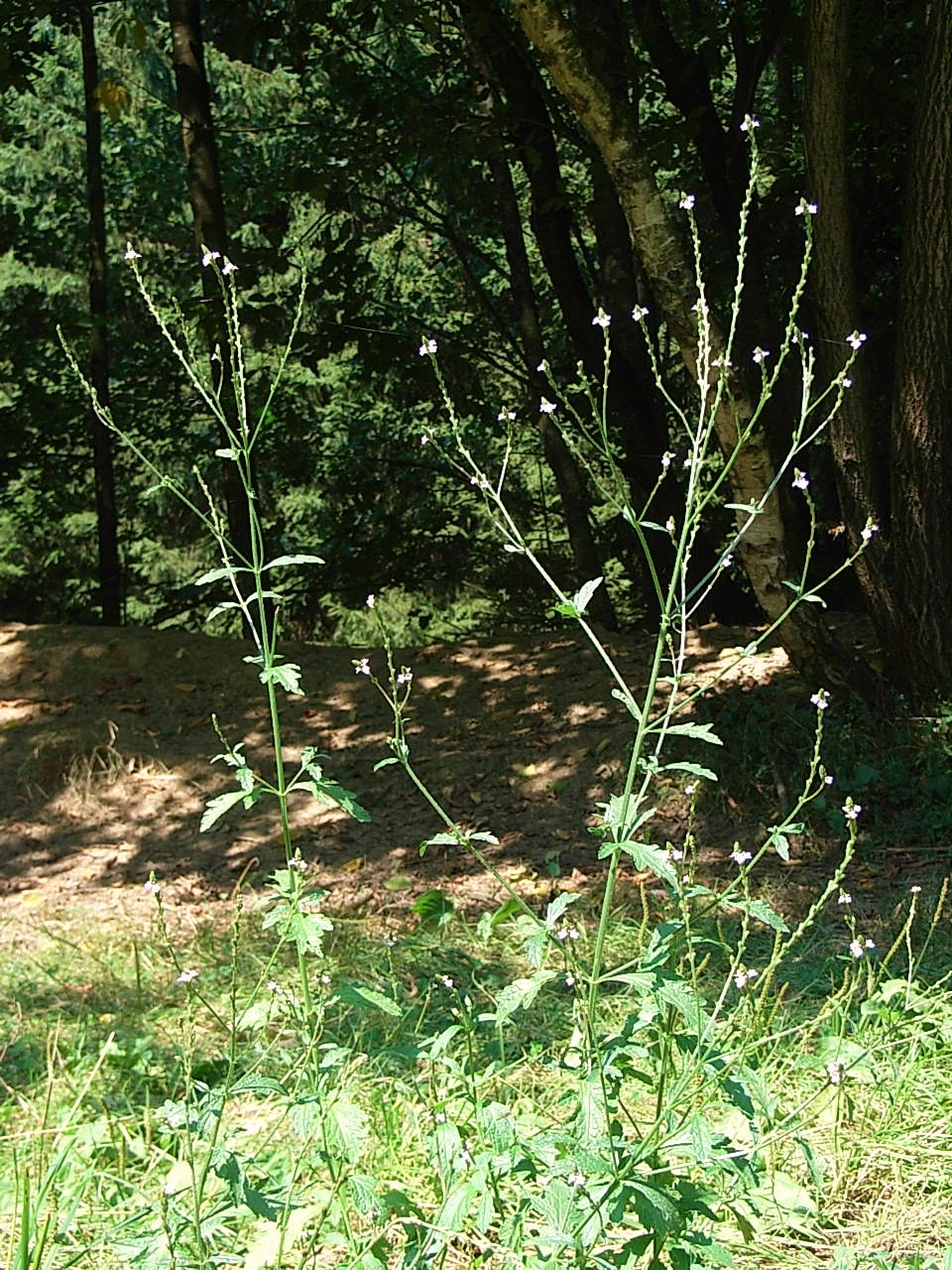
Verbena plants are herbaceous, sometimes semi-woody, and can be annual or perennial depending on the species. Their leaves are usually opposite, simple, and often hairy. The flowers are small, with five petals, and grow densely packed on spikes. Most flowers are blue, but cultivars may show white, pink, or purple. The plant is valued for its neat, clustered blooms and is a common sight in garden borders.
Where does Verbena come from?
Most verbena species are native to the Americas and Asia, though the type species, Verbena officinalis, comes from Europe. The genus has a complex evolutionary history, with North and South American lineages and natural hybrids. Verbena has been known since ancient times, with its name coming from the Latin word for sacred plants used in Roman rituals. Over time, it spread to gardens worldwide and became part of various cultural traditions.
When and how Verbena blooms
Verbena is usually grown from seed and prefers well-drained, average soils in full or partial sun. Some species and hybrids are not frost-hardy and are grown as annuals in cooler climates. Gardeners often choose cultivars like V. × hybrida or V. bonariensis for their showy spikes. The plants are drought-tolerant and attract butterflies and hummingbirds, making them popular in wildlife gardens.


How Verbena is used
Verbena is widely grown as an ornamental plant in gardens and bedding schemes. Its flowers attract butterflies and hummingbirds, and it is sometimes grown as a honey plant. In herbalism, vervain has been used as a tonic, though there is no strong evidence for its effectiveness. The essential oil from some species is used in herbal products and perfumery, though it is considered less valuable than lemon verbena oil.
Kinds of Verbena
There are about 150 species in the genus, including popular garden types like V. × hybrida and V. bonariensis. Cold-hardy mock vervains such as V. canadensis and V. peruviana are also grown. Cultivars like 'Silver Anne' and 'Sissinghurst' have received awards for garden merit. The group includes both diploid and polyploid species, with many natural hybrids.
What Verbena means
Verbena has been linked to sacred and magical uses since ancient times. In Egypt and Greece, it was associated with goddesses and rituals. Romans considered it a sacred plant. In early Christian legend, it was said to have been used to treat Jesus' wounds, earning names like 'holy herb'. In Victorian flower language, it symbolised enchantment and sensibility. It also appears in folk magic and as a symbol of good luck.
Where Verbena is used and seen

Questions people ask about Verbena
Where does verbena come from?
Most verbena species are native to the Americas and Asia, though the type species, Verbena officinalis, is native to Europe.
What does verbena look like?
Verbena plants have small, five-petalled flowers grouped in dense spikes. The flowers are usually blue, but can also be white, pink, or purple, especially in cultivated varieties.
How is verbena used?
Verbena is mainly grown as an ornamental plant in gardens, valued for its colourful flowers. It is also used in traditional herbalism and perfumery, and attracts butterflies and hummingbirds.
What does verbena symbolise?
Verbena has been associated with sacred rituals and magic in ancient cultures, and in the Victorian language of flowers, it symbolised enchantment and sensibility.
Is verbena used in any religious or cultural traditions?
Yes, verbena was considered sacred in ancient Egypt, Greece, and Rome, and has been linked to Christian legends and folk magic.
Good reading and sources
- Encyclopaedia BritannicaArticle
- USDA Plants DatabaseUS Department of Agriculture, Article
- Plants of the World OnlineRoyal Botanic Gardens, Kew, Plant database
- Where it has been recordedGBIF, Plant database
- Sightings and photos by naturalistsiNaturalist, Plant database
The facts on this page come from the Wikipedia article "Verbena", written by its contributors and used under the CC BY-SA 4.0 licence, and from its Wikidata record (CC0). Phool rewrote the text in its own words, with AI assistance, and compares every page with the article to make sure no passage is copied. It may be reused under the same CC BY-SA 4.0 licence with a link back.
It may contain mistakes. It is not medical or foraging advice: many flowers are poisonous, and traditional uses are reported, not recommended. If something is wrong, tell us. Last refreshed 2026-10-03.
Others in the family Verbenaceae
The whole family LantanaLantana camara
A colourful shrub with clusters of small, changing flowers
🇧🇷 Brazil and 9 more · Flowering shrub
LantanaLantana camara
A colourful shrub with clusters of small, changing flowers
🇧🇷 Brazil and 9 more · Flowering shrub
 Purpletop vervainVerbena bonariensis
A tall South American perennial with clusters of purple flowers
🇨🇳 China and 7 more · Wildflower
Lantana
A tropical shrub with multicoloured flower clusters that change colour as they age
🇲🇽 Mexico and 7 more · Flowering shrub
Purpletop vervainVerbena bonariensis
A tall South American perennial with clusters of purple flowers
🇨🇳 China and 7 more · Wildflower
Lantana
A tropical shrub with multicoloured flower clusters that change colour as they age
🇲🇽 Mexico and 7 more · Flowering shrub