
Lantana
A tropical shrub with multicoloured flower clusters that change colour as they age
Lantana is a genus of about 150 perennial flowering plants, mostly shrubs 0.5–2 m tall, in the verbena family. Native to tropical Americas, it is now widespread as an introduced species and often invasive. Its aromatic flower clusters mix red, orange, yellow, blue or white florets and shift colour as they mature.
- Flowers change colour as they mature, creating multi-hued clusters
- Highly invasive in Australia, India, South Africa and the southeastern US
- Toxic to livestock but valued by birds and butterflies
- Used in southern India to make termite-resistant furniture
- Trailing lantana (L. montevidensis) blooms blue or white nearly all year
What does Lantana look like?
Lantana plants are shrubs or herbaceous perennials growing up to 2 metres tall. They bear dense, rounded clusters of small tubular flowers called umbels. Each cluster often shows two or three colours at once, commonly red, orange, yellow, blue or white, because individual florets change hue as they age. The leaves and flowers are aromatic.
Where does Lantana come from?
Lantana originates from tropical regions of the Americas. It has been introduced widely across the tropics and subtropics, especially in Australia, India, South Africa and Pacific islands. Though valued in gardens, it has become a serious invasive weed in many of these areas, spreading rapidly through bird-dispersed seeds.
When and how Lantana blooms
Lantana grows as a perennial in tropical and subtropical climates, and as an annual in temperate zones. It thrives in warm conditions and tolerates poor soils. Most garden plants are hybrids of Lantana camara or the trailing species L. montevidensis. The latter bears blue or white flowers nearly year-round and has dark green, strongly scented foliage.


How Lantana is used
People grow lantana for its long-lasting, colourful flowers in gardens and containers. It attracts butterflies and bees, making it useful in butterfly gardening and as a honey plant. In southern India, tribal artisans craft furniture from its tough stems. Despite its toxicity, some use ripe berries cautiously, though this is disputed.
Kinds of Lantana
Most cultivated lantanas belong to two groups: the upright 'Spanish flag' types (hybrids of L. camara and related species) and the trailing L. montevidensis. Popular cultivars include 'Irene', 'Christine' and 'Dallas Red'. Shorter modern varieties often flower more freely than older tall-growing forms.
What Lantana means
Lantana is both admired and feared. While prized for its vivid blooms and wildlife value, it is classed as a noxious weed in many countries due to its invasiveness. Its toxicity harms livestock, yet it supports birds and insects where native cover is scarce. In parts of India, it has found new life as a durable material for handmade furniture.
Where Lantana is used and seen

Questions people ask about Lantana
Where does lantana come from originally?
Lantana is native to tropical regions of the Americas. It has since spread as an introduced species to many tropical and subtroporegions, often becoming invasive.
Is lantana poisonous?
Yes. Lantana contains toxins that cause liver damage and photosensitivity in grazing animals like sheep, goats and cattle. Both unripe and ripe berries may be harmful to humans.
Why do lantana flowers have multiple colours?
Individual florets change colour as they age, often from yellow or pink to red or orange, so a single flower cluster shows two or three shades at once.
Is lantana good for wildlife?
It attracts butterflies and provides shelter for birds like the superb fairy-wren in Australia. However, dense thickets can reduce overall biodiversity by crowding out native plants.
What is lantana used for besides gardening?
In southern Karnataka, India, tribal communities craft about 50 types of furniture from lantana stems, valued for being resistant to sun, rain and termites.
Good reading and sources
- Encyclopaedia BritannicaArticle
- USDA Plants DatabaseUS Department of Agriculture, Article
- Plants of the World OnlineRoyal Botanic Gardens, Kew, Plant database
- Where it has been recordedGBIF, Plant database
- Sightings and photos by naturalistsiNaturalist, Plant database
The facts on this page come from the Wikipedia article "Lantana", written by its contributors and used under the CC BY-SA 4.0 licence, and from its Wikidata record (CC0). Phool rewrote the text in its own words, with AI assistance, and compares every page with the article to make sure no passage is copied. It may be reused under the same CC BY-SA 4.0 licence with a link back.
It may contain mistakes. It is not medical or foraging advice: many flowers are poisonous, and traditional uses are reported, not recommended. If something is wrong, tell us. Last refreshed 2026-10-03.
Others in the family Verbenaceae
The whole family LantanaLantana camara
A colourful shrub with clusters of small, changing flowers
🇧🇷 Brazil and 9 more · Flowering shrub
LantanaLantana camara
A colourful shrub with clusters of small, changing flowers
🇧🇷 Brazil and 9 more · Flowering shrub
 Verbena
A genus of small, spiked flowers grown in gardens and linked to ancient rituals
Verbena · Wildflower
Verbena
A genus of small, spiked flowers grown in gardens and linked to ancient rituals
Verbena · Wildflower
 Purpletop vervainVerbena bonariensis
A tall South American perennial with clusters of purple flowers
🇨🇳 China and 7 more · Wildflower
Purpletop vervainVerbena bonariensis
A tall South American perennial with clusters of purple flowers
🇨🇳 China and 7 more · Wildflower
More from Mexico
All the flowers of Mexico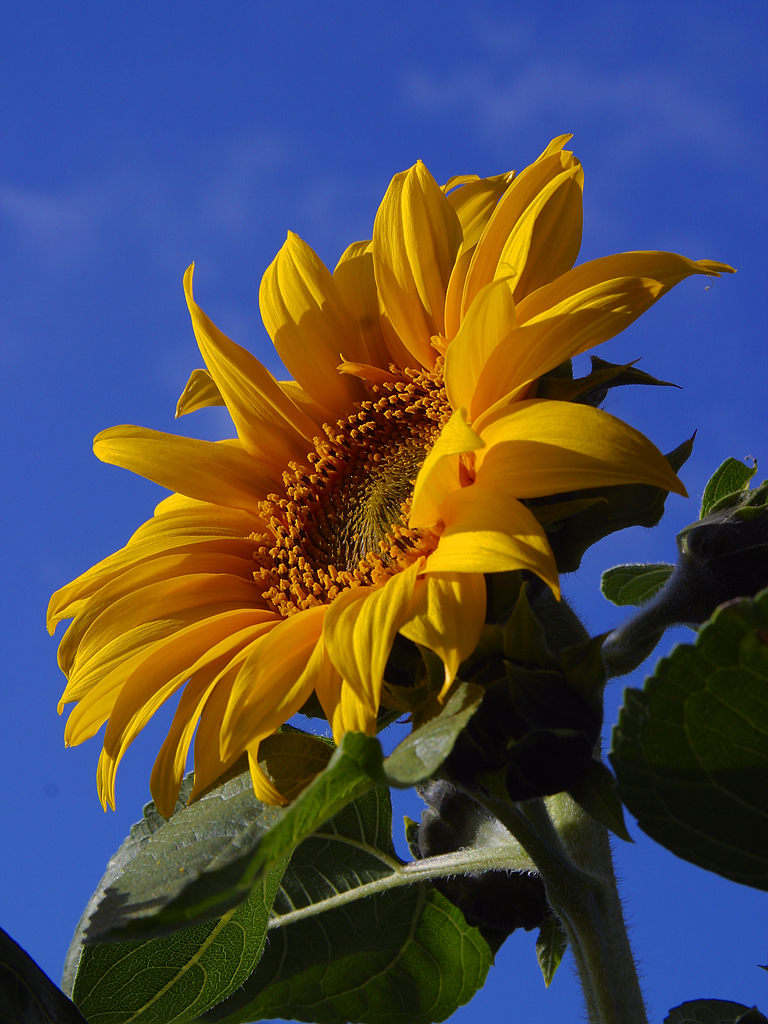 Common sunflowerHelianthus annuus
A tall annual plant grown for its large yellow flower heads and edible seeds
🇨🇦 Canada and 4 more · Wildflower
Common sunflowerHelianthus annuus
A tall annual plant grown for its large yellow flower heads and edible seeds
🇨🇦 Canada and 4 more · Wildflower
 CactusCactaceae
Succulent plants with spines, native to the Americas
🇲🇽 Mexico and 7 more · Wildflower
CactusCactaceae
Succulent plants with spines, native to the Americas
🇲🇽 Mexico and 7 more · Wildflower
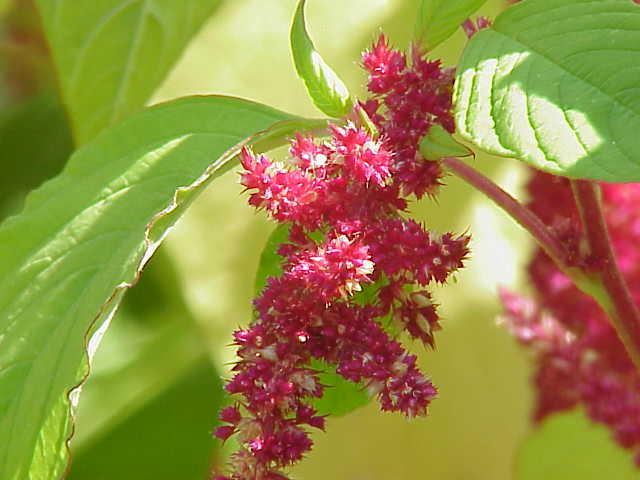 AmaranthAmaranthus
A tall, colourful plant grown for its flowers, leaves and edible seeds
🇲🇽 Mexico and 7 more · Wildflower
AmaranthAmaranthus
A tall, colourful plant grown for its flowers, leaves and edible seeds
🇲🇽 Mexico and 7 more · Wildflower
 HawthornCrataegus
A thorny shrub or tree with white or pink spring flowers and small edible fruits
🇮🇪 Ireland and 7 more · Wildflower
HawthornCrataegus
A thorny shrub or tree with white or pink spring flowers and small edible fruits
🇮🇪 Ireland and 7 more · Wildflower