
Viburnum
Shrubs and small trees with showy flower clusters and colourful berries
Viburnum is a group of about 150–175 species of shrubs and small trees found across the temperate Northern Hemisphere. Many are grown for their clusters of white, cream, or pink flowers and bright berries, with some species valued for their fragrance, autumn colour, and cultural symbolism.
- Viburnum opulus is a national symbol in Ukraine
- Some species have edible berries, others are mildly toxic
- Grown for showy flower clusters and colourful autumn berries
- Used in traditional Ukrainian wreaths and folk songs
What does Viburnum look like?
Viburnum includes shrubs and small trees, both evergreen and deciduous, with opposite, simple leaves that may be toothed or lobed. The plants produce clusters of small, five-petalled flowers in white, cream, or pink, sometimes surrounded by larger sterile flowers. Some species are noted for their fragrance. The fruits are colourful drupes—red, blue, purple, or black—often forming attractive displays. Autumn leaf colour can be striking in some types.
Where does Viburnum come from?
Viburnum species are native throughout the temperate regions of the Northern Hemisphere, with a few reaching tropical mountains in South America and Southeast Asia. In Africa, they are found only in the Atlas Mountains. The genus name comes from Latin, originally referring to Viburnum lantana. Viburnum has a long history in gardens and landscapes, and some species' straight shoots were used in prehistory for arrow-shafts.
When and how Viburnum blooms
Viburnum species bloom in corymbs—flat or rounded clusters—ranging from 5 to 15 cm across. Flowering time and leaf habit depend on the species and climate. Many are grown from seed or cuttings and can be evergreen or deciduous. Some tolerate shade or salt, while others prefer sun and moist soil. Fruits ripen to various colours, with some persisting into winter.

How Viburnum is used
Viburnums are popular in gardens for their flowers, berries, and autumn foliage. Some species, like Viburnum opulus, have edible fruit used for jam, while others are mildly toxic. The bark of certain species is used in herbal medicine. In Ukraine, Viburnum opulus is a national symbol and features in folk traditions and wreaths, especially during Koliada festivities.
Kinds of Viburnum
There are about 165 described species, with many hybrids and cultivars. Notable types include Viburnum carlesii for its fragrance, Viburnum davidii for blue fruit, and Viburnum plicatum for textured leaves. Some hybrids, like Viburnum × bodnantense, are valued for winter flowers. Evergreen and deciduous forms exist, with a range of sizes and berry colours.
What Viburnum means
Viburnum opulus, known as kalyna, is deeply woven into Ukrainian folk culture as a symbol of love and tenderness and is used in traditional wreaths and songs. In Lithuania, the plant is called 'Putinas' and has influenced literature and product names. Some species are national or regional emblems, and the genus is celebrated for its beauty and symbolism.
Where Viburnum is used and seen

Questions people ask about Viburnum
Where does Viburnum come from?
Viburnum species are native to the temperate regions of the Northern Hemisphere, with a few found in tropical mountain areas of South America and Southeast Asia, and in the Atlas Mountains of Africa.
What does Viburnum look like?
Viburnum plants are shrubs or small trees with clusters of small white, cream, or pink flowers. Their leaves can be toothed or lobed, and many species produce colourful berries in red, blue, purple, or black.
Are Viburnum berries edible?
Some Viburnum species, such as Viburnum lentago, have edible fruit that can be eaten raw or made into jam. However, other species, like Viburnum opulus, have mildly toxic berries that can cause vomiting if eaten in quantity.
What is the cultural significance of Viburnum?
In Ukraine, Viburnum opulus (kalyna) is a national symbol, representing love and tenderness, and is used in folk songs, wreaths, and Koliada festivities. It also has cultural importance in Lithuania.
How is Viburnum used in gardens?
Many Viburnum species and hybrids are grown as ornamental shrubs for their attractive flowers, berries, and autumn foliage. Some are valued for their fragrance or evergreen leaves.
Good reading and sources
- Encyclopaedia BritannicaArticle
- Viburnum 'Pragense'Royal Horticultural Society, Article
- USDA Plants DatabaseUS Department of Agriculture, Article
- Plants of the World OnlineRoyal Botanic Gardens, Kew, Plant database
- Where it has been recordedGBIF, Plant database
- Sightings and photos by naturalistsiNaturalist, Plant database
The facts on this page come from the Wikipedia article "Viburnum", written by its contributors and used under the CC BY-SA 4.0 licence, and from its Wikidata record (CC0). Phool rewrote the text in its own words, with AI assistance, and compares every page with the article to make sure no passage is copied. It may be reused under the same CC BY-SA 4.0 licence with a link back.
It may contain mistakes. It is not medical or foraging advice: many flowers are poisonous, and traditional uses are reported, not recommended. If something is wrong, tell us. Last refreshed 2026-10-03.
Others in the family Viburnaceae
The whole family ElderSambucus
A group of shrubs and small trees with clusters of white flowers and dark berries
Sambucus · Wildflower
ElderSambucus
A group of shrubs and small trees with clusters of white flowers and dark berries
Sambucus · Wildflower
 ElderSambucus nigra
A tall shrub or small tree with clusters of white flowers and dark berries
🇩🇪 Germany and 6 more · Wildflower
ElderSambucus nigra
A tall shrub or small tree with clusters of white flowers and dark berries
🇩🇪 Germany and 6 more · Wildflower
 Guelder-roseViburnum opulus
A white-flowered shrub with red berries, rooted in Slavic and Ukrainian tradition
🇷🇺 Russia and 1 more · Flowering shrub
Guelder-roseViburnum opulus
A white-flowered shrub with red berries, rooted in Slavic and Ukrainian tradition
🇷🇺 Russia and 1 more · Flowering shrub
More from Ukraine
All the flowers of Ukraine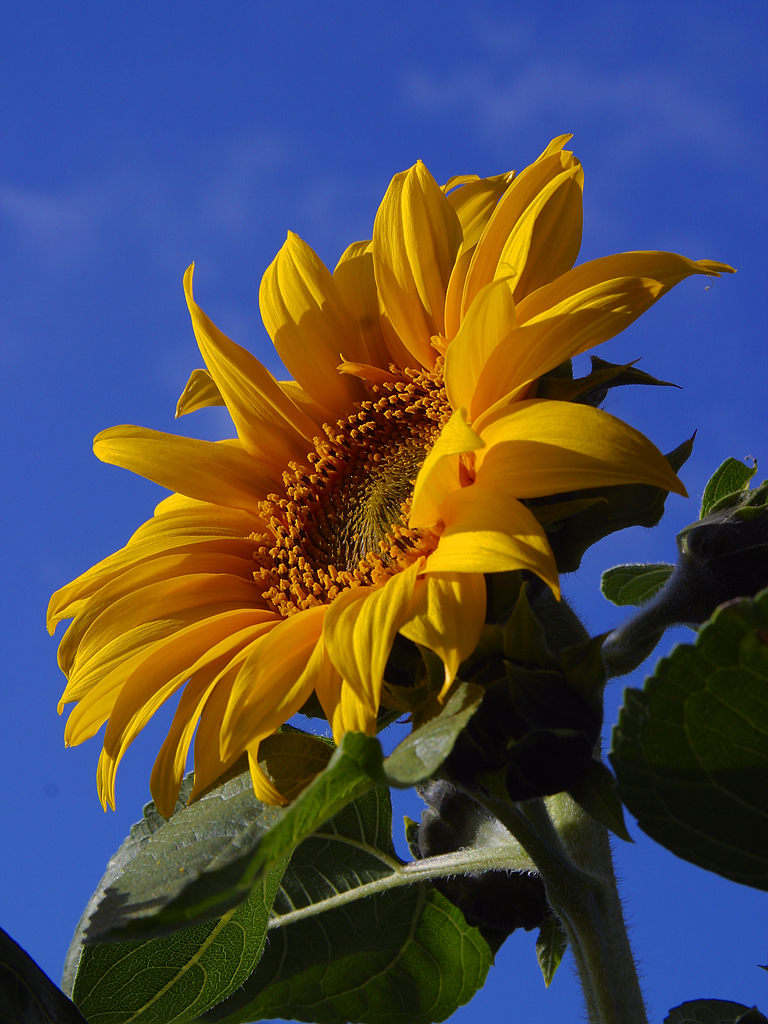 Common sunflowerHelianthus annuus
A tall annual plant grown for its large yellow flower heads and edible seeds
🇨🇦 Canada and 4 more · Wildflower
Common sunflowerHelianthus annuus
A tall annual plant grown for its large yellow flower heads and edible seeds
🇨🇦 Canada and 4 more · Wildflower
 Sour cherryPrunus cerasus
The small, tart cherry tree grown for its sour red fruit
🇹🇷 Turkey and 7 more · Flowering tree
Sour cherryPrunus cerasus
The small, tart cherry tree grown for its sour red fruit
🇹🇷 Turkey and 7 more · Flowering tree
 Helianthus
Tall North American plants with large, bright flower heads called sunflowers
🇺🇦 Ukraine and 1 more · Wildflower
Helianthus
Tall North American plants with large, bright flower heads called sunflowers
🇺🇦 Ukraine and 1 more · Wildflower
 MarigoldTagetes
A group of bright annual and perennial flowers known worldwide as marigolds
🇲🇽 Mexico and 7 more · Wildflower
MarigoldTagetes
A group of bright annual and perennial flowers known worldwide as marigolds
🇲🇽 Mexico and 7 more · Wildflower