
Helianthus
Tall North American plants with large, bright flower heads called sunflowers
Helianthus is a genus of about 50 species of annual and perennial plants known as sunflowers, native to North America. These plants are grown for their striking yellow, orange, or red flower heads, edible seeds, and as ornamentals, with the common sunflower being a national symbol in Ukraine.
- Helianthus includes about 50 species known as sunflowers.
- Most species are native to North America.
- The common sunflower is Ukraine's national flower.
- Some varieties have orange, red, or purple flowers.
- Young flower heads follow the sun during the day.
What does Helianthus look like?
Plants in the Helianthus genus are usually tall, with some reaching up to 3 metres. Their flower heads look like a single large bloom but are made up of many tiny flowers arranged in a disc, surrounded by bright yellow, orange, or red ray florets. Some varieties have maroon or purple tones. The stems are rough and hairy, and leaves are often heart-shaped and sticky. Most have a single large flower head, but some wild types branch and have several.
Where does Helianthus come from?
Helianthus comes from North America, where it grows wild in prairies, woodlands, and along creeks. The name comes from Greek words for 'sun' and 'flower', reflecting the round, sun-like flower heads. The best-known species, Helianthus annuus, has been grown for centuries, especially in Ukraine where it is a national symbol. Other species, like Jerusalem artichoke, are also cultivated for food.
When and how Helianthus blooms
Sunflowers are planted in spring or early summer and bloom through summer into autumn. They grow best in open, sunny spots with well-drained soil. Annual species are grown from seed, while perennials can spread quickly and may become aggressive in gardens. Flower heads follow the sun as they grow, a movement called heliotropism, but mature flowers usually face east.


How Helianthus is used
Helianthus species are grown for their seeds, which are eaten or pressed for oil, and for their large, showy flowers in gardens and as cut flowers. The common sunflower is a national emblem in Ukraine. Some species, like Jerusalem artichoke, are grown for edible tubers. Sunflowers attract pollinators and beneficial insects, making them useful in agriculture.
Kinds of Helianthus
The genus includes about 50 species, both annual and perennial. Helianthus annuus is the common sunflower, widely grown for its seeds and oil. Helianthus tuberosus, or Jerusalem artichoke, is grown for its edible tubers. The Maximilian sunflower is a perennial native to North America. Some ornamental varieties have red or purple flowers, while others lack the typical ray florets.
What Helianthus means
The sunflower is a symbol of Ukraine and is widely recognized for its bright, sun-like appearance. Its ability to follow the sun has inspired art and scientific study. Some species, like the whorled sunflower, are endangered due to habitat loss. Sunflowers play a role in attracting pollinators and are valued in gardens and agriculture.
Traditions that use it
Questions people ask about Helianthus
Where do Helianthus plants come from?
Helianthus species are native to North America, growing wild in prairies, woodlands, and along creeks. They have also been widely cultivated in other regions.
What do Helianthus flowers look like?
They are tall plants with large, round flower heads made up of many tiny flowers. Most have bright yellow petals, but some varieties show orange, red, maroon, or purple colors.
How are Helianthus plants used?
They are grown for their edible seeds and oil, as ornamental garden plants, and for cut flowers. Some species, like Jerusalem artichoke, are grown for their edible tubers.
What is special about sunflower movement?
Young Helianthus flower heads track the sun across the sky during the day, a process called heliotropism. Mature flowers usually face east.
What does the sunflower symbolize?
The common sunflower is a national symbol of Ukraine and is recognized for its sun-like appearance and association with warmth and positivity.
Good reading and sources
- Encyclopaedia BritannicaArticle
- USDA Plants DatabaseUS Department of Agriculture, Article
- Helianthus L. | Plants of the World OnlineRoyal Botanic Gardens, Kew, Article
- Plants of the World OnlineRoyal Botanic Gardens, Kew, Plant database
- Where it has been recordedGBIF, Plant database
- Sightings and photos by naturalistsiNaturalist, Plant database
The facts on this page come from the Wikipedia article "Helianthus", written by its contributors and used under the CC BY-SA 4.0 licence, and from its Wikidata record (CC0). Phool rewrote the text in its own words, with AI assistance, and compares every page with the article to make sure no passage is copied. It may be reused under the same CC BY-SA 4.0 licence with a link back.
It may contain mistakes. It is not medical or foraging advice: many flowers are poisonous, and traditional uses are reported, not recommended. If something is wrong, tell us. Last refreshed 2026-10-03.
Others in the family Asteraceae
The whole family Chrysanthemum菊花
Autumn-blooming flower with thousands of varieties, cherished in East Asia and beyond
🇨🇳 China and 6 more · Wildflower
Chrysanthemum菊花
Autumn-blooming flower with thousands of varieties, cherished in East Asia and beyond
🇨🇳 China and 6 more · Wildflower
 Asteraceae
The vast family of daisies, asters, and sunflowers with star-like flower heads
Asteraceae · Wildflower
Asteraceae
The vast family of daisies, asters, and sunflowers with star-like flower heads
Asteraceae · Wildflower
 DandelionTaraxacum
A yellow-flowered perennial found in fields, lawns, and gardens worldwide
Taraxacum · Wildflower
DandelionTaraxacum
A yellow-flowered perennial found in fields, lawns, and gardens worldwide
Taraxacum · Wildflower
 Dahlia
A bushy perennial with tuberous roots and bright, star-shaped blooms
🇲🇽 Mexico and 1 more · Garden flower
Dahlia
A bushy perennial with tuberous roots and bright, star-shaped blooms
🇲🇽 Mexico and 1 more · Garden flower
More from Ukraine
All the flowers of Ukraine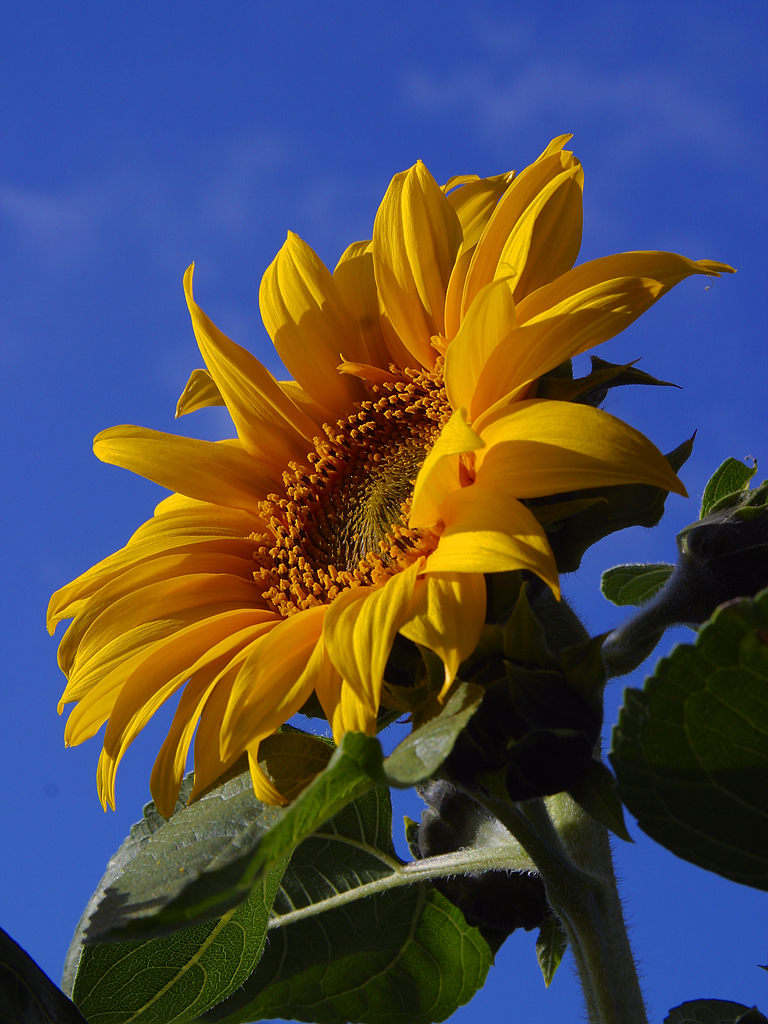 Common sunflowerHelianthus annuus
A tall annual plant grown for its large yellow flower heads and edible seeds
🇨🇦 Canada and 4 more · Wildflower
Common sunflowerHelianthus annuus
A tall annual plant grown for its large yellow flower heads and edible seeds
🇨🇦 Canada and 4 more · Wildflower
 Sour cherryPrunus cerasus
The small, tart cherry tree grown for its sour red fruit
🇹🇷 Turkey and 7 more · Flowering tree
Sour cherryPrunus cerasus
The small, tart cherry tree grown for its sour red fruit
🇹🇷 Turkey and 7 more · Flowering tree
 MarigoldTagetes
A group of bright annual and perennial flowers known worldwide as marigolds
🇲🇽 Mexico and 7 more · Wildflower
MarigoldTagetes
A group of bright annual and perennial flowers known worldwide as marigolds
🇲🇽 Mexico and 7 more · Wildflower
 Common IvyHedera helix
An evergreen climbing vine with lobed leaves and nectar-rich autumn flowers
🇮🇪 Ireland and 7 more · Wildflower
Common IvyHedera helix
An evergreen climbing vine with lobed leaves and nectar-rich autumn flowers
🇮🇪 Ireland and 7 more · Wildflower