
Common Vetch
Vicia sativa, family Fabaceae
A climbing pink-purple pea flower grown for green manure and dryland forage
Common vetch is a climbing annual legume native to the Fertile Crescent and Asia, now naturalised across most temperate continents. It bears vivid pinkish-purple pea blossoms and is widely planted in dry areas as nutritious animal forage and a nitrogen-fixing green manure crop.
- Fixes atmospheric nitrogen in soil and thrives under low rainfall in dryland farming regions.
- Produces bright pinkish-purple pea flowers that are primarily pollinated by bumblebees.
- Carbonised seeds appear in early Neolithic archaeological sites across the Middle East and Europe.
- Australian farmers cultivate more than half a million hectares of this annual legume each year.
What does Common Vetch look like?
Common vetch is an annual sprawling plant with four-angled, hollow stems that can stretch up to two metres across the ground. Its leaves are arranged alternately along the stems, each divided into three to eight pairs of narrow, needle-tipped leaflets and finishing in a branched climbing tendril. The distinctive pea-style blossoms sit either alone or in pairs where the leaf stalks meet the stem. Each bloom measures between one and three centimetres long, showing vivid pink-purple petals, though pale yellow or whitish variations occur occasionally. Bumblebees act as the main pollinators. After flowering, slender pods up to seven centimetres long develop, starting out fuzzy before turning smooth and ripening to a dark brown or black shade with four to twelve seeds inside.
Where does Common Vetch come from?
Botanists trace the primary diversity centre of this plant to the ancient Fertile Crescent. Archaeologists have identified charred seed remains across early Neolithic settlements in Syria, Turkey, Bulgaria, Hungary, and Slovakia, showing humans gathered or grew it thousands of years ago. Further archaeological finds place it in Predynastic Egypt and Bronze Age Turkmenia. Formal agricultural records show confirmed cultivation during the Roman period. Carl Linnaeus provided its initial botanical description in his 1753 work Species Plantarum. Today, the species has naturalised across nearly the entire globe, thriving everywhere except for the extreme cold of the Arctic and Antarctic.
When and how Common Vetch blooms
Growers sow common vetch directly from seed, typically in springtime, though late summer plantings can succeed. Dense seeding works best when growing the plant for soil enrichment or livestock grazing, whereas sparser sowing helps maximise flower and pod yields. Farmers frequently roll the soil after harrowing to flatten the ground for harvesting tools. Because the hollow stems trail on their own, growers often interplant vetch with upright cereal grains, giving the climbing tendrils strong stalks to hold onto. The roots can host beneficial rhizobial bacteria to pull nitrogen into deficient soils. Pests such as powdery mildew, spider mites, pea aphids, and caterpillars occasionally damage the foliage.


How Common Vetch is used
Although ancient communities ate the seeds, modern farming uses common vetch primarily for livestock pasture, green manure, and dryland crop rotation. Countries including Australia, China, and Ethiopia value its ability to thrive during droughts and in low-nutrient ground. Cattle and horses fatten rapidly when fed on the foliage, outperforming several common pasture grasses, though overeating ripe pods can induce colic. In grain agriculture, vetch can become a troublesome weed if it mingles with lentil harvests, lowering the grain market grade. Australian farmers sow over half a million hectares annually across dry agricultural landscapes.
Kinds of Common Vetch
Botanists recognise several distinct subspecies, including the narrow-leaved form subsp. nigra, alongside subsp. cordata, subsp. sativa, and subsp. segetalis. Selective agricultural breeding has yielded commercial cultivars such as Volga, Rasina, Timok, and Studenica. In the early twentieth century, an unusual mutation produced flattened seeds that mirrored commercial lentils, causing widespread field contamination until modern grain-cleaning machinery became standard.
What Common Vetch means
While common vetch is sometimes called tare, biblical references to tares in agricultural parables are generally thought to describe darnel ryegrass rather than this legume. Modern genetic sequencing published in 2022 revealed that common vetch possesses a large genome and shares its closest botanical relationship with the garden pea.
Questions people ask about Common Vetch
Where does common vetch originate?
Botanists believe common vetch originated around the Fertile Crescent. Archaeological finds of carbonised seeds from Neolithic settlements show it was used across Syria, Turkey, and central Europe thousands of years ago before spreading globally.
What are the primary agricultural uses of common vetch?
Modern farmers cultivate the plant as a drought-tolerant rotation crop, animal fodder, and nitrogen-fixing green manure. It provides rich grazing for cattle and horses in dry agricultural regions of Australia, China, and Ethiopia.
What do the flowers look like?
The pea-shaped flowers emerge either singly or in pairs from the leaf joints. They reach one to three centimetres long and are typically bright pinkish-purple, though cream or yellowish blooms appear on rare occasions.
Can livestock eat common vetch safely?
Horses and cattle fatten quickly when grazing on common vetch foliage. However, livestock managers must prevent animals from overeating large amounts of the plant, especially when it carries mature pods, as excess consumption causes digestive colic.
Good reading and sources
- Encyclopaedia BritannicaArticle
- IUCN Red List of Threatened SpeciesIUCN Red List, Article
- USDA Plants DatabaseUS Department of Agriculture, Article
- Plants of the World OnlineRoyal Botanic Gardens, Kew, Plant database
- Where it has been recordedGBIF, Plant database
- Sightings and photos by naturalistsiNaturalist, Plant database
The facts on this page come from the Wikipedia article "Vicia sativa", written by its contributors and used under the CC BY-SA 4.0 licence, and from its Wikidata record (CC0). EveryPhool rewrote the text in its own words, with AI assistance, and compares every page with the article to make sure no passage is copied. It may be reused under the same CC BY-SA 4.0 licence with a link back.
It may contain mistakes. It is not medical or foraging advice: many flowers are poisonous, and traditional uses are reported, not recommended. If something is wrong, tell us. Last refreshed 2026-10-04.
Others in the family Fabaceae
The whole family Acacia
Shrubs and trees with golden or cream puffball flowers, native mostly to Australia
🇦🇺 Australia and 6 more · Wildflower
Acacia
Shrubs and trees with golden or cream puffball flowers, native mostly to Australia
🇦🇺 Australia and 6 more · Wildflower
 Sensitive PlantMimosa pudica
A touch-sensitive plant whose leaves fold up when disturbed
🇧🇷 Brazil and 8 more · Wildflower
Sensitive PlantMimosa pudica
A touch-sensitive plant whose leaves fold up when disturbed
🇧🇷 Brazil and 8 more · Wildflower
 Black locustRobinia pseudoacacia
A tall, fragrant-flowered tree native to eastern North America
🇺🇸 United States and 7 more · Flowering tree
Black locustRobinia pseudoacacia
A tall, fragrant-flowered tree native to eastern North America
🇺🇸 United States and 7 more · Flowering tree
 LupinLupinus
Tall, spiky-flowered legumes grown for gardens, food, and soil health
🇺🇸 United States and 7 more · Wildflower
LupinLupinus
Tall, spiky-flowered legumes grown for gardens, food, and soil health
🇺🇸 United States and 7 more · Wildflower
More from China
All the flowers of China RoseRosa
Prickly flowering shrubs grown across the world for fragrant blossoms and rose hips
🇨🇳 China and 7 more · Flowering shrub
RoseRosa
Prickly flowering shrubs grown across the world for fragrant blossoms and rose hips
🇨🇳 China and 7 more · Flowering shrub
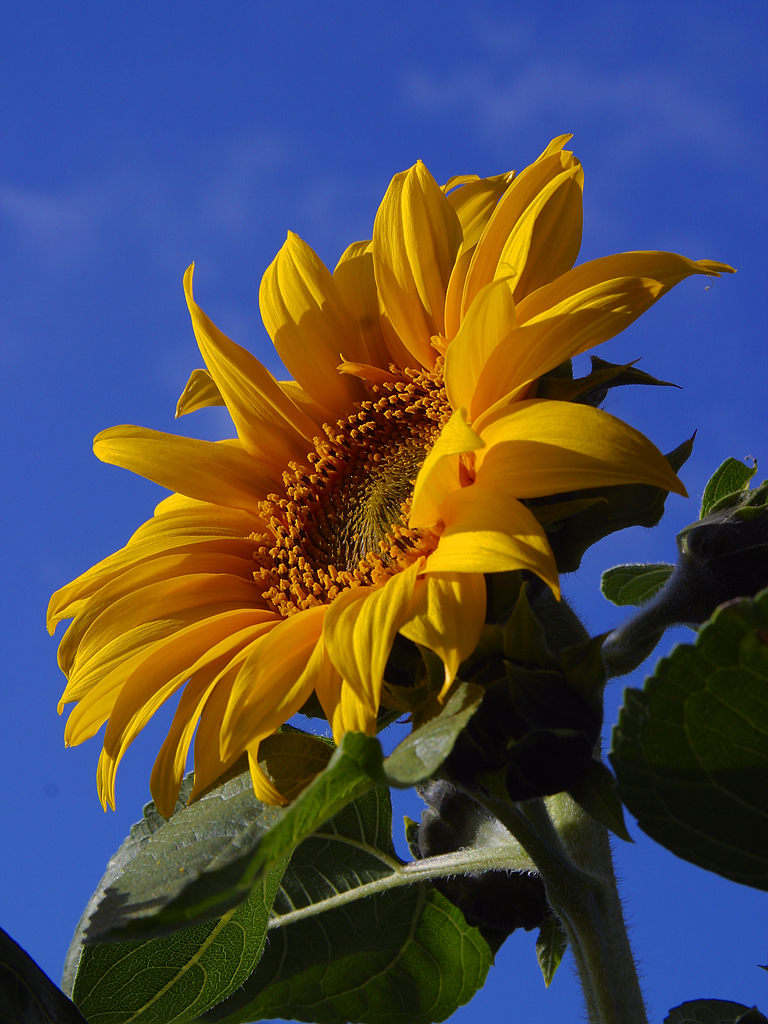 Common sunflowerHelianthus annuus
A tall annual plant grown for its large yellow flower heads and edible seeds
🇨🇦 Canada and 4 more · Wildflower
Common sunflowerHelianthus annuus
A tall annual plant grown for its large yellow flower heads and edible seeds
🇨🇦 Canada and 4 more · Wildflower
 BirchBetula
Slender trees with papery bark found across the northern world
🇨🇳 China and 7 more · Wildflower
BirchBetula
Slender trees with papery bark found across the northern world
🇨🇳 China and 7 more · Wildflower
 FennelFoeniculum vulgare
A tall, aromatic herb with feathery leaves and yellow umbels, used for food and spice
🇨🇳 China and 7 more · Herb or useful flower
FennelFoeniculum vulgare
A tall, aromatic herb with feathery leaves and yellow umbels, used for food and spice
🇨🇳 China and 7 more · Herb or useful flower