🇮🇹 The flowers of Italy
107 pages from Italy: its flowers, the things made with them and the places to see them, across 38 cities and regions.
Italy’s plant life is among the richest in Europe, shaped by its varied climate and terrain. The country is home to over 7,000 native flowering species, with a remarkable number found nowhere else. From Mediterranean maquis shrubs to alpine wildflowers, Italy’s flora changes dramatically from north to south and mountain to coast.
- Italy has over 7,000 native vascular plant species.
- About 1,371 plant species are found only in Italy.
- Mediterranean maquis shrubs dominate the south and islands.
- Alpine regions support unique cold-adapted wildflowers.
- Protected areas cover more than 10% of Italy’s territory.
The plant life of Italy
Italy’s flora thrives in a landscape stretching from snowy Alpine peaks to sun-baked Mediterranean coasts. The country’s long peninsula and many islands create a patchwork of habitats, from humid forests to dry shrublands. This diversity, along with a mild climate and varied geology, has fostered over 7,000 native plant species. Italy’s hills and mountains, which cover most of its land, offer countless ecological niches, supporting both widespread European species and plants unique to the region. The country’s flora is especially rich in endemics—species that grow only in Italy.
From region to region in Italy
Northern Italy features alpine forests and meadows, with conifers and cold-adapted wildflowers. The central Apennines have broad-leaved woods, including oaks, beeches, and chestnuts. Southern Italy and the islands are dominated by Mediterranean maquis—evergreen shrubs and small trees like myrtle, olive, and cork oak. The Po Valley supports mixed forests and riparian (riverbank) vegetation. As elevation rises, forests give way to mountain pastures and, higher still, sparse grasslands and rocky areas.
Flowers to know in Italy
Italy boasts 1,371 endemic plant species and subspecies, such as the Sicilian fir, Etna birch, and rare irises like Iris marsica. Mediterranean shrubs—myrtle, strawberry tree, sage, and bay laurel—are common in the south. Alpine regions host gentians, saxifrages, and the silver thistle. Iconic trees include olive and cork oak. Some exotics, like the Indian fig cactus, have become widespread in the south.
Threats and protection in Italy
Italy’s native plants face threats from habitat loss, land conversion for farming, water changes, and invasive species. Urban growth and tourism also put pressure on wild habitats. Many lowland forests have been cleared since Roman times. Conservation efforts protect about 10.5% of the land in parks and reserves, and Italy is part of international agreements to safeguard its plant life.
The facts in this overview come from the Wikipedia article "Flora of Italy", written by its contributors and used under the CC BY-SA 4.0 licence. Phool rewrote the text in its own words, with AI assistance, and compares every page with the article to make sure no passage is copied. It may be reused under the same CC BY-SA 4.0 licence with a link back.
Flower experiences in Italy
 🇮🇹 Rome · All yearMorning flower stalls on Campo de' FioriA daily market square in central Rome whose name means field of flowers, with flower sellers at one end.
 🇮🇹 Stresa · Mar to OctThe terraced garden of Isola BellaA Baroque palace garden on a small island in Lake Maggiore, built up in ten terraces like the stern of a ship.
 🇮🇹 Pienza · Jun to JulSunflower fields of the Val d'OrciaRolling Tuscan farmland south of Siena where sunflower fields open from late June between wheat, cypress and clay hills.
 🇮🇹 Castelluccio di Norcia · May to JulThe flowering of the Castelluccio plainA high plain in the Sibillini mountains where lentil fields and their wild flowers colour the ground in bands from late May.
 🇮🇹 Kastelruth · Jun to JulAlpine meadows in flower on the Seiser AlmA vast high pasture in the Dolomites, full of gentians, orchids and globeflowers before the hay is cut in July.
Cities and regions of Italy
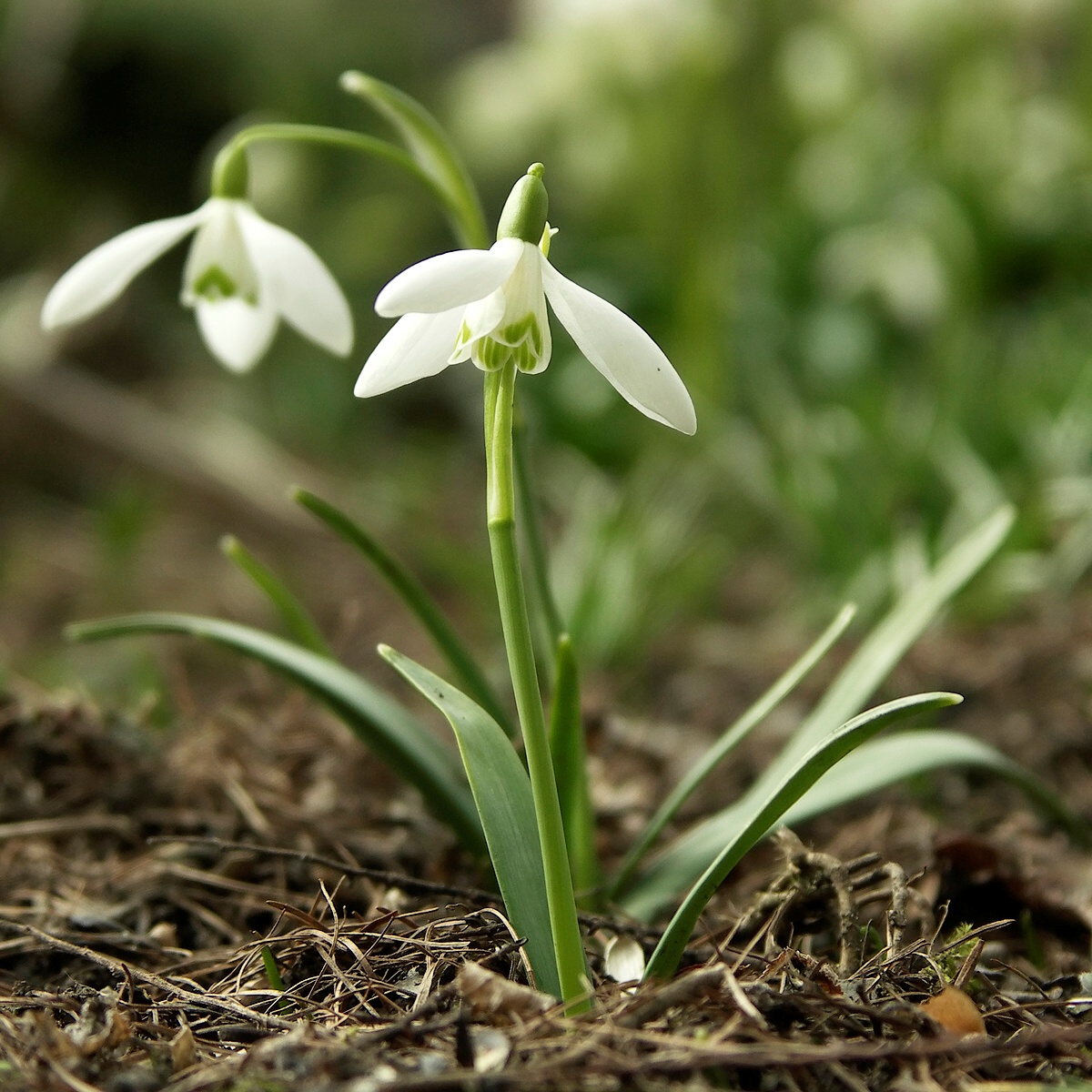 SnowdropGalanthus
White bell-shaped flowers that bloom at the end of winter
🇹🇷 Turkey and 7 more · Wildflower
SnowdropGalanthus
White bell-shaped flowers that bloom at the end of winter
🇹🇷 Turkey and 7 more · Wildflower
 Christmas roseHelleborus niger
A winter-blooming evergreen with white flowers, known as the Christmas rose
🇩🇪 Germany and 5 more · Wildflower
Christmas roseHelleborus niger
A winter-blooming evergreen with white flowers, known as the Christmas rose
🇩🇪 Germany and 5 more · Wildflower
 Decoration
Christmas decoration
Ornaments, wreaths, and festive displays for the Christmas season
🇩🇪 Germany and 7 more · Arrangement, Jan to Dec
Decoration
Christmas decoration
Ornaments, wreaths, and festive displays for the Christmas season
🇩🇪 Germany and 7 more · Arrangement, Jan to Dec
 Decoration
Christmas tree
A decorated evergreen tree displayed for Christmas in homes and public places
🇩🇪 Germany and 7 more · Arrangement, December
Decoration
Christmas tree
A decorated evergreen tree displayed for Christmas in homes and public places
🇩🇪 Germany and 7 more · Arrangement, December
 Winter aconiteEranthis hyemalis
A small yellow flower that blooms at the end of winter in European woodlands
🇫🇷 France and 1 more · Wildflower
Winter aconiteEranthis hyemalis
A small yellow flower that blooms at the end of winter in European woodlands
🇫🇷 France and 1 more · Wildflower
 Decoration
Artificial flower
Imitation flowers made from fabric, plastic, paper, clay and other materials
🇨🇳 China and 5 more · Arrangement
Decoration
Artificial flower
Imitation flowers made from fabric, plastic, paper, clay and other materials
🇨🇳 China and 5 more · Arrangement
 Poppy anemoneAnemone coronaria
Red, white, or blue Mediterranean flower with a dark crown centre
🇮🇱 Israel and 7 more · Wildflower
Poppy anemoneAnemone coronaria
Red, white, or blue Mediterranean flower with a dark crown centre
🇮🇱 Israel and 7 more · Wildflower
 Decoration
Perfume
A scented liquid made from oils, flowers, and aromatics for body and space
🇫🇷 France and 6 more · Arrangement
Decoration
Perfume
A scented liquid made from oils, flowers, and aromatics for body and space
🇫🇷 France and 6 more · Arrangement
 Ivy-leaved geraniumPelargonium peltatum
A trailing plant with fleshy, lobed leaves and pale mauve to pink flowers
🇿🇦 South Africa and 7 more · Garden flower
Ivy-leaved geraniumPelargonium peltatum
A trailing plant with fleshy, lobed leaves and pale mauve to pink flowers
🇿🇦 South Africa and 7 more · Garden flower
 Decoration
Topiary
The art of shaping living shrubs and trees into geometric or fanciful forms
🇮🇹 Italy and 6 more · Arrangement
Decoration
Topiary
The art of shaping living shrubs and trees into geometric or fanciful forms
🇮🇹 Italy and 6 more · Arrangement
 Place
Orto botanico di Pisa
Europe’s first university botanical garden, founded in 1544 in Pisa, Italy
Pisa, 🇮🇹 Italy · Botanical garden
Place
Orto botanico di Pisa
Europe’s first university botanical garden, founded in 1544 in Pisa, Italy
Pisa, 🇮🇹 Italy · Botanical garden
 Place
Botanical Garden of Naples
A university botanical garden with thousands of plant species in Naples, Italy
Naples, 🇮🇹 Italy · Botanical garden
Place
Botanical Garden of Naples
A university botanical garden with thousands of plant species in Naples, Italy
Naples, 🇮🇹 Italy · Botanical garden
Photo credits on this page
The small pictures above come from Wikimedia Commons under free licences. Some are cropped to fit.
- Orto botanico di Pisa: Sailko, CC BY 3.0, source
- Campo de' Fiori: Carlat82, CC BY-SA 4.0, source
- Snowdrop: Unknown author, CC BY-SA 3.0, source
- Anemone: Aviad2001, CC BY-SA 4.0, source
- Christmas rose: Dominicus Johannes Bergsma, CC BY-SA 4.0, source
- Christmas decoration: C.Stadler/Bwag, CC BY-SA 4.0, source
- Christmas tree: Lechhansl, CC BY-SA 3.0, source
- Winter aconite: Afanasovich, CC BY-SA 4.0, source
- Artificial flower: Flor4U|Wolfgang Roth|Blumenwerkstatt Roth, CC BY-SA 3.0, source
- Perfume: Takkk, CC BY-SA 3.0, source
- Ivy-leaved geranium: Hedwig Storch, CC BY-SA 3.0, source
- Topiary: Burkhard Mücke, CC BY-SA 4.0, source
- Botanical Garden of Naples: Armando Mancini, CC BY-SA 2.0, source
- Val Dorcia Sunflowers: Stefanoacetelli, CC BY-SA 3.0, source
- Castelluccio Di Norcia Fioritura: No machine-readable author provided. Lukkio84~commonswiki assumed (bas, Public domain, source
- Seiser Alm Alpine Meadows: This Photo was taken by Wolfgang Moroder . Feel free to use my photos,, CC BY-SA 3.0, source
- Isola Bella Terraced Garden: MarkusMark, CC BY-SA 3.0, source