
Chrysanthemum Throne
In its own language: 皇位
The imperial seat used for enthroning the Emperor of Japan
The Chrysanthemum Throne is the formal seat for the Emperor of Japan, most notably used during enthronement ceremonies. The term also stands for the Japanese monarchy itself, with the Takamikura in Kyoto being the most recognized example.
- The Takamikura is the main ceremonial seat for imperial enthronements in Kyoto.
- The throne's name is also used to mean the Japanese monarchy itself.
- A western-style throne is used by the emperor in the National Diet in Tokyo.
- The modern emperor serves as a symbol of the state, not as a political leader.
What is Chrysanthemum Throne?
The Chrysanthemum Throne refers to the ceremonial seat used by the Emperor of Japan, especially during important state rituals like enthronements. The most prominent version, the Takamikura, is a large, ornate structure with a raised base, pillars, curtains, and a canopy. It is not simply a chair, but a complex platform designed for imperial ceremonies. Other thrones are used for different official events, but only certain seats are called the Chrysanthemum Throne.
Where does Chrysanthemum Throne come from?
The idea of the Chrysanthemum Throne goes back to early Japanese legends, with the monarchy said to have begun with Emperor Jimmu. While records are clear from the time of Emperor Ōjin in the 4th century, the tradition of the throne as a symbol of imperial authority has continued for centuries. The Takamikura in Kyoto has been used since at least the early 20th century for enthronements, and the throne's name has come to stand for the monarchy itself.
How Chrysanthemum Throne is made
The Takamikura, the main ceremonial throne, is built as a large wooden structure with decorative elements like curtains and a canopy. Since 1915, an imperial chair has been placed inside for enthronement rituals. The throne is usually kept in the Shishinden hall at Kyoto Imperial Palace, and is assembled for ceremonies. Other thrones, such as those in Tokyo or in the National Diet, have different designs and are used for various official functions.


When and where Chrysanthemum Throne is used
The Chrysanthemum Throne is central to imperial ceremonies, especially the enthronement of a new emperor. The Takamikura is brought out for these occasions in Kyoto. In Tokyo, the emperor uses a different throne for events like the opening of parliament. The term 'Chrysanthemum Throne' is also used in speech and writing to refer to the emperor or the institution of the monarchy.
Forms of Chrysanthemum Throne
There are several thrones used by the emperor, but only some are called the Chrysanthemum Throne. The Takamikura in Kyoto is the most famous, while the throne in the National Diet is a western-style chair from the Meiji period. Each has its own style and is used for different ceremonies.
What Chrysanthemum Throne means
The Chrysanthemum Throne is a symbol of the Japanese monarchy and is often used to represent the emperor in official and cultural contexts. The modern emperor is seen as a symbol of the state and the unity of the people, rather than a ruler with political power. The throne’s name is used in a similar way to terms like 'the Crown' in Britain, standing for the monarchy as an institution.
Questions people ask about Chrysanthemum Throne
What is the Chrysanthemum Throne?
It is the ceremonial seat used by the Emperor of Japan, especially during enthronement ceremonies, and also stands for the Japanese monarchy as a whole.
Where is the Chrysanthemum Throne located?
The most famous version, the Takamikura, is kept at the Kyoto Imperial Palace, but other thrones are used in Tokyo for official events.
What does the Chrysanthemum Throne symbolize?
It represents the authority and tradition of the Japanese imperial family, and the term is often used to refer to the monarchy itself.
Is the emperor still a political leader?
Under the current constitution, the emperor is a symbolic figure and does not have political power.
Are there different types of imperial thrones?
Yes, the Takamikura is used for enthronements, while other thrones are used for ceremonies in Tokyo and the National Diet.
Good reading and sources
The facts on this page come from the Wikipedia article "Chrysanthemum Throne", written by its contributors and used under the CC BY-SA 4.0 licence, and from its Wikidata record (CC0). Phool rewrote the text in its own words, with AI assistance, and compares every page with the article to make sure no passage is copied. It may be reused under the same CC BY-SA 4.0 licence with a link back.
It may contain mistakes. If something is wrong, tell us. Last refreshed 2026-10-03.
More of the same kind
 Decoration
Floriculture
The science and business of growing flowers and ornamental plants
Arrangement
Decoration
Floriculture
The science and business of growing flowers and ornamental plants
Arrangement
 Decoration
Corn dolly
Straw figures shaped for harvest customs across Europe
🇮🇪 Ireland and 3 more · Flower craft
Decoration
Corn dolly
Straw figures shaped for harvest customs across Europe
🇮🇪 Ireland and 3 more · Flower craft
 Decoration
Varamalaवरमाला
A flower garland exchanged by bride and groom in Hindu weddings
🇮🇳 India · Garland or wreath
Decoration
Varamalaवरमाला
A flower garland exchanged by bride and groom in Hindu weddings
🇮🇳 India · Garland or wreath
 Decoration
Bouquet
A creative arrangement of flowers, given or displayed for many occasions
🇨🇳 China and 1 more · Arrangement
Decoration
Bouquet
A creative arrangement of flowers, given or displayed for many occasions
🇨🇳 China and 1 more · Arrangement
More from Japan
All the flowers of Japan Decoration
Bonsai盆栽
The Japanese art of shaping miniature trees in shallow pots
🇯🇵 Japan and 7 more · Art or design
Decoration
Bonsai盆栽
The Japanese art of shaping miniature trees in shallow pots
🇯🇵 Japan and 7 more · Art or design
 Decoration
Tokonoma床の間
A Japanese alcove for displaying scrolls and flower arrangements
🇯🇵 Japan · Arrangement
Decoration
Tokonoma床の間
A Japanese alcove for displaying scrolls and flower arrangements
🇯🇵 Japan · Arrangement
 Decoration
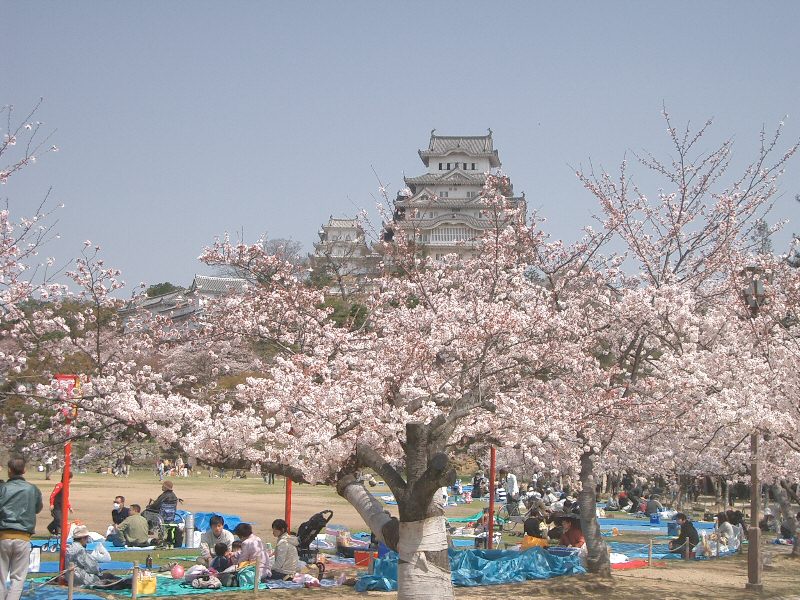
Hanami花見
The Japanese tradition of gathering to enjoy cherry blossoms in spring
🇯🇵 Japan and 7 more · Custom, Jan to May
Decoration
Hanami花見
The Japanese tradition of gathering to enjoy cherry blossoms in spring
🇯🇵 Japan and 7 more · Custom, Jan to May
 Decoration
Sōgetsu草月流
A modern school of Japanese ikebana open to all materials and styles
🇯🇵 Japan · Arrangement
Decoration
Sōgetsu草月流
A modern school of Japanese ikebana open to all materials and styles
🇯🇵 Japan · Arrangement