
Famille rose
In its own language: 粉彩
Pink-enamel style of Chinese porcelain decoration
Famille rose is a style of Chinese porcelain decoration defined by pink overglaze enamel, introduced in the early 18th century. It uses soft, blended colours achieved by mixing enamels with an opaque white, and was made for imperial use, domestic markets, and export to Europe and America.
- Defined by pink overglaze enamel, ranging from pale to ruby
- Developed in Qing China, perfected under Yongzheng and Qianlong
- Used 'glassy white' enamel to blend soft, gradated colours
- Exported widely as Canton ware with patterns like Rose Medallion
- Imperial versions (falangcai) were made in Beijing palace workshops
What is Famille rose?
Famille rose is a decorative style on Chinese porcelain characterised by pink overglaze enamel, though the pink may range from pale to deep ruby. Other soft colours are blended using 'glassy white' (boli bai), an opaque lead arsenate enamel, allowing subtle gradations and detailed imagery like birds, flowers, or figures.
Where does Famille rose come from?
The style emerged in China during the Kangxi reign (late 17th–early 18th century), possibly influenced by European enamel techniques brought by Jesuits. It was refined under Yongzheng and reached technical peak under Qianlong. Western terms like 'famille rose' were coined later; Chinese names include fencai and falangcai.
How Famille rose is made
Porcelain blanks were made in Jingdezhen, then painted with enamel colours and fired at low temperature. Imperial versions (falangcai) were decorated in Beijing palace workshops; yangcai and fencai came from Jingdezhen kilns. Export wares were often finished in Guangzhou (Canton) with elaborate designs like Rose Medallion.


When and where Famille rose is used
Famille rose adorned imperial tableware, domestic objects, and export goods. In the 18th and 19th centuries, large quantities went to Europe and the United States, often as custom armorial sets or decorative items. European factories later copied its palette for their own porcelain.
Forms of Famille rose
Falangcai refers to rare palace-made pieces. Yangcai imitated falangcai at Jingdezhen. Fencai became the common modern term. Export types include Rose Canton (no human figures), Rose Mandarin (with figures), and Rose Medallion (panels of figures and birds around a central medallion).
What Famille rose means
Though a Western classification, famille rose reflects Qing-era innovation blending foreign and Chinese techniques. It surpassed blue-and-white and famille verte in popularity by the mid-18th century. Its legacy endures in Chinese ceramic art and global collections, symbolising the height of Qing decorative porcelain.
Questions people ask about Famille rose
What is famille rose?
It is a style of Chinese porcelain decoration using pink overglaze enamel and soft blended colours, developed in the 18th century during the Qing dynasty.
Where did famille rose originate?
It originated in China during the Kangxi period, with technical refinement in the Yongzheng and Qianlong eras, influenced by Western enamel techniques.
What does 'famille rose' mean?
It is French for 'pink family', a term coined in 1862 to classify Qing porcelain by its dominant pink enamel colour palette.
How was famille rose made?
White porcelain from Jingdezhen was painted with enamel colours mixed with opaque 'glassy white', then fired at low temperature in muffle kilns.
Was famille rose only made in China?
Primarily Chinese, but European factories like Meissen later copied its palette. Most surviving pieces are Chinese export wares sent to Europe and America.
Good reading and sources
The facts on this page come from the Wikipedia article "Famille rose", written by its contributors and used under the CC BY-SA 4.0 licence, and from its Wikidata record (CC0). Phool rewrote the text in its own words, with AI assistance, and compares every page with the article to make sure no passage is copied. It may be reused under the same CC BY-SA 4.0 licence with a link back.
It may contain mistakes. If something is wrong, tell us. Last refreshed 2026-10-03.
More of the same kind
 Decoration
Nageirebana抛入花
A free-form ikebana style using tall vases and no flower holders
Arrangement
Decoration
Nageirebana抛入花
A free-form ikebana style using tall vases and no flower holders
Arrangement
 Decoration
Tokonoma床の間
A Japanese alcove for displaying scrolls and flower arrangements
🇯🇵 Japan · Arrangement
Decoration
Tokonoma床の間
A Japanese alcove for displaying scrolls and flower arrangements
🇯🇵 Japan · Arrangement
 Decoration
Rangoliरंगोली
Indian floor art made with coloured powders, rice, or petals for festivals and daily welcome
🇮🇳 India and 1 more · Carpet or floor pattern
Decoration
Rangoliरंगोली
Indian floor art made with coloured powders, rice, or petals for festivals and daily welcome
🇮🇳 India and 1 more · Carpet or floor pattern
 Decoration
Sōgetsu草月流
A modern school of Japanese ikebana open to all materials and styles
🇯🇵 Japan · Arrangement
Decoration
Sōgetsu草月流
A modern school of Japanese ikebana open to all materials and styles
🇯🇵 Japan · Arrangement
More from China
All the flowers of China Decoration
Bonsai盆栽
The Japanese art of shaping miniature trees in shallow pots
🇯🇵 Japan and 7 more · Art or design
Decoration
Bonsai盆栽
The Japanese art of shaping miniature trees in shallow pots
🇯🇵 Japan and 7 more · Art or design
 Decoration
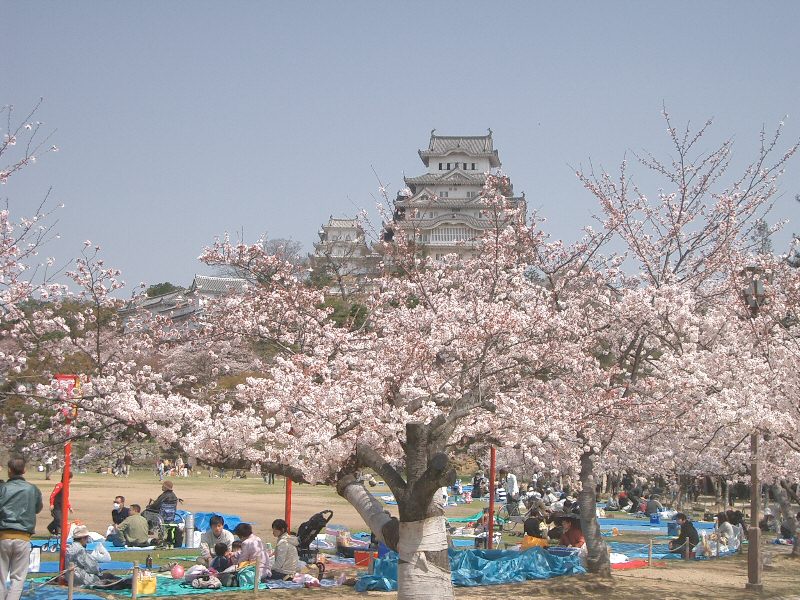
Hanami花見
The Japanese tradition of gathering to enjoy cherry blossoms in spring
🇯🇵 Japan and 7 more · Custom, Jan to May
Decoration
Hanami花見
The Japanese tradition of gathering to enjoy cherry blossoms in spring
🇯🇵 Japan and 7 more · Custom, Jan to May
 Decoration
Bouquet
A creative arrangement of flowers, given or displayed for many occasions
🇨🇳 China and 1 more · Arrangement
Decoration
Bouquet
A creative arrangement of flowers, given or displayed for many occasions
🇨🇳 China and 1 more · Arrangement
 Decoration
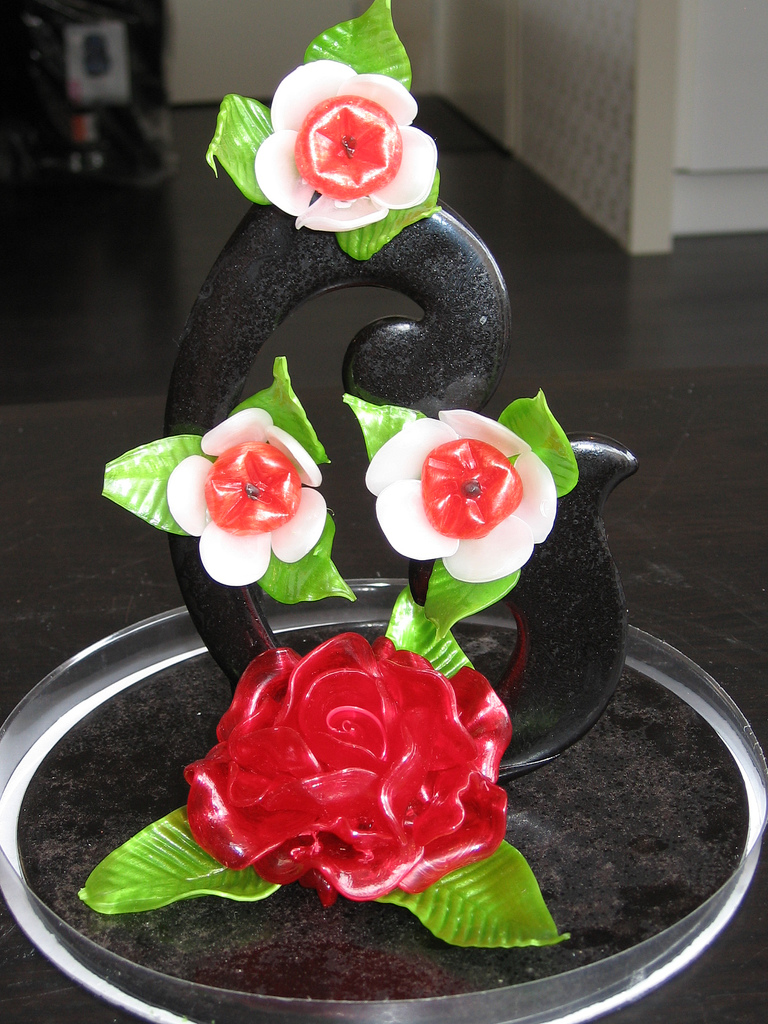
Sugar sculpture
Artistic centerpieces and figures made entirely from cooked sugar
🇨🇳 China and 1 more · Flower craft
Decoration
Sugar sculpture
Artistic centerpieces and figures made entirely from cooked sugar
🇨🇳 China and 1 more · Flower craft