Hanakotoba
In its own language: 花言葉
The Japanese language of flowers and their meanings
Hanakotoba is the Japanese tradition of giving flowers special meanings to express feelings without words. Each flower carries its own message shaped by Japanese culture and history, similar to the Victorian language of flowers but with unique symbols.
- Hanakotoba is Japan's own language of flowers.
- Each flower in Hanakotoba has a unique meaning shaped by Japanese culture.
- It is used to express feelings without words.
- Hanakotoba is similar to but distinct from the Victorian language of flowers.
What is Hanakotoba?
Hanakotoba is the Japanese system of assigning meanings to flowers. In this tradition, each flower stands for a particular feeling or message. People use these meanings to communicate silently, often through bouquets or single blooms. The practice is rooted in Japanese culture, and the meanings are different from those in Western floriography. Hanakotoba is used in art, gifts, and sometimes in daily life to express emotions that might be hard to say aloud.
Where does Hanakotoba come from?
Hanakotoba developed in Japan, influenced by the country's own customs and history. While the idea of using flowers to convey messages can be found in other cultures, such as the Victorian language of flowers, Hanakotoba has its own set of meanings shaped by Japanese society. The tradition allowed people to express feelings or intentions discreetly, especially in times or situations where direct words were not appropriate.
How Hanakotoba is made
To use Hanakotoba, a person selects flowers based on the meanings attached to each kind. The chosen flowers are then given as gifts, arranged in displays, or used in art to send a silent message. There is no single way to present Hanakotoba; it can be as simple as a single flower or as elaborate as a bouquet, depending on the message and the occasion.


When and where Hanakotoba is used
Hanakotoba is used when someone wants to express feelings such as love, gratitude, or apology without speaking. It is often seen in gifts, celebrations, and sometimes in traditional Japanese arts. The meanings are widely recognized in Japan, so the recipient usually understands the intended message from the flowers chosen.
Forms of Hanakotoba
The meanings of flowers in Hanakotoba can differ from those in other cultures. For example, a flower that means one thing in the West may have a different meaning in Japan. There are also regional differences within Japan, and new meanings sometimes develop as customs change.
What Hanakotoba means
Hanakotoba is part of Japanese cultural expression and is linked to art, literature, and daily life. It is similar to Western floriography but reflects Japanese values and history. The tradition is still known today and sometimes appears in modern media, gifts, and ceremonies.
Traditions that use it
Questions people ask about Hanakotoba
What is Hanakotoba?
Hanakotoba is the Japanese tradition of giving flowers specific meanings to express emotions or messages without using words. Each flower stands for a particular feeling or idea shaped by Japanese culture.
Where does Hanakotoba come from?
Hanakotoba developed in Japan, influenced by the country's history and customs. It is similar to the Victorian language of flowers but has its own unique set of meanings.
How is Hanakotoba used?
People use Hanakotoba by choosing flowers with meanings that match the message they want to send. These flowers are given as gifts, used in art, or arranged in displays to communicate silently.
How is Hanakotoba different from Western flower meanings?
While both traditions assign meanings to flowers, Hanakotoba reflects Japanese culture and history, so the meanings often differ from those in Western floriography.
Good reading and sources
The facts on this page come from the Wikipedia article "Hanakotoba", written by its contributors and used under the CC BY-SA 4.0 licence, and from its Wikidata record (CC0). Phool rewrote the text in its own words, with AI assistance, and compares every page with the article to make sure no passage is copied. It may be reused under the same CC BY-SA 4.0 licence with a link back.
It may contain mistakes. If something is wrong, tell us. Last refreshed 2026-10-03.
More of the same kind
 Decoration
Floriculture
The science and business of growing flowers and ornamental plants
Arrangement
Decoration
Floriculture
The science and business of growing flowers and ornamental plants
Arrangement
 Decoration
Corn dolly
Straw figures shaped for harvest customs across Europe
🇮🇪 Ireland and 3 more · Flower craft
Decoration
Corn dolly
Straw figures shaped for harvest customs across Europe
🇮🇪 Ireland and 3 more · Flower craft
 Decoration
Varamalaवरमाला
A flower garland exchanged by bride and groom in Hindu weddings
🇮🇳 India · Garland or wreath
Decoration
Varamalaवरमाला
A flower garland exchanged by bride and groom in Hindu weddings
🇮🇳 India · Garland or wreath
 Decoration
Bouquet
A creative arrangement of flowers, given or displayed for many occasions
🇨🇳 China and 1 more · Arrangement
Decoration
Bouquet
A creative arrangement of flowers, given or displayed for many occasions
🇨🇳 China and 1 more · Arrangement
More from Japan
All the flowers of Japan Decoration
Bonsai盆栽
The Japanese art of shaping miniature trees in shallow pots
🇯🇵 Japan and 7 more · Art or design
Decoration
Bonsai盆栽
The Japanese art of shaping miniature trees in shallow pots
🇯🇵 Japan and 7 more · Art or design
 Decoration
Tokonoma床の間
A Japanese alcove for displaying scrolls and flower arrangements
🇯🇵 Japan · Arrangement
Decoration
Tokonoma床の間
A Japanese alcove for displaying scrolls and flower arrangements
🇯🇵 Japan · Arrangement
 Decoration
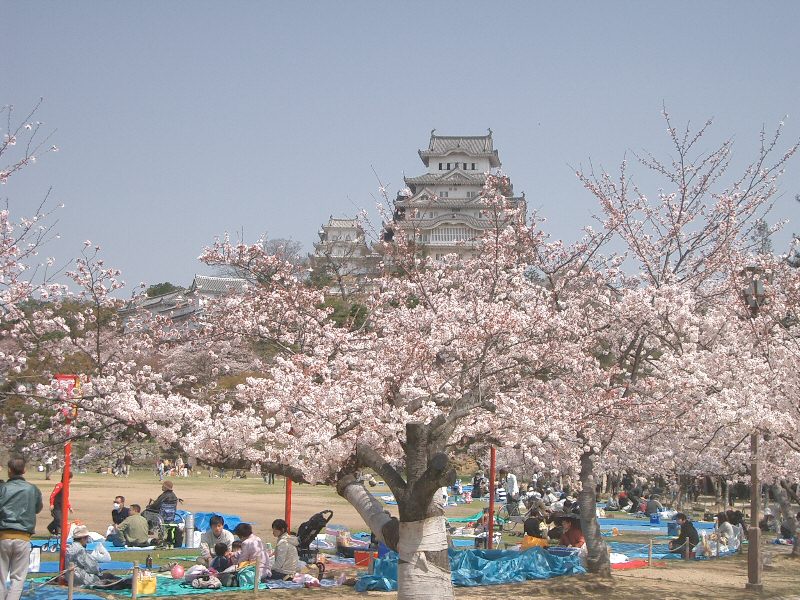
Hanami花見
The Japanese tradition of gathering to enjoy cherry blossoms in spring
🇯🇵 Japan and 7 more · Custom, Jan to May
Decoration
Hanami花見
The Japanese tradition of gathering to enjoy cherry blossoms in spring
🇯🇵 Japan and 7 more · Custom, Jan to May
 Decoration
Sōgetsu草月流
A modern school of Japanese ikebana open to all materials and styles
🇯🇵 Japan · Arrangement
Decoration
Sōgetsu草月流
A modern school of Japanese ikebana open to all materials and styles
🇯🇵 Japan · Arrangement