
Hortus Eystettensis
A 1613 botanical book showing over 1,000 garden plants from a Bavarian palace
Hortus Eystettensis is a large illustrated book published in 1613 that documents the plants grown in the garden of the Prince-Bishop of Eichstätt, Bavaria. Created by Basilius Besler and a team of artists, it features detailed engravings of over a thousand species, arranged by season, and is known for its artistic and scientific value.
- Published in 1613 with over 1,000 plant species illustrated
- Shows plants from the Prince-Bishop's garden in Eichstätt, Germany
- Features 367 full-page copper engravings, some hand-coloured
- Arranged by the four seasons, with most plates for spring and summer
- Regarded as a milestone in botanical art and garden history
What is Hortus Eystettensis?
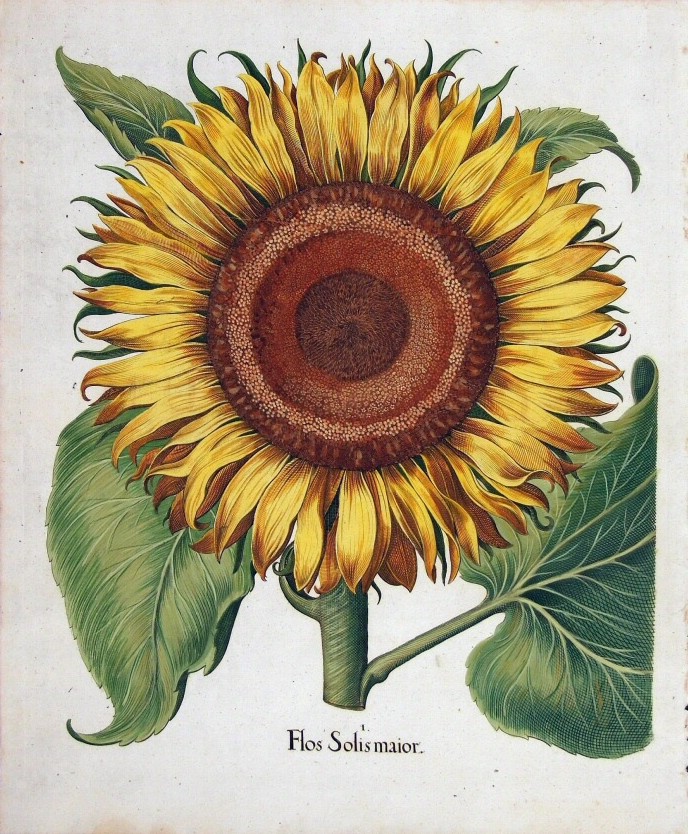
Hortus Eystettensis is a book filled with large, finely detailed engravings of plants that once grew in the garden of the Prince-Bishop of Eichstätt. Each page shows several species, often close to life-size, capturing flowers, herbs, and vegetables in both flower and fruit. The images are arranged by season, and the book was produced in both plain and hand-coloured editions. Its pages measure about 57 by 46 centimeters, making it a substantial work, and the illustrations are both scientifically precise and visually appealing.
Where does Hortus Eystettensis come from?
The book was commissioned by Bishop Johann Konrad von Gemmingen to record the diverse plants in his palace garden, which was the first botanical garden in Germany and unique outside Italy at the time. Basilius Besler, who managed the garden, led the project with help from his brother and several artists and engravers. Work began in 1611 and took sixteen years, with the final book published in 1613. The garden itself was set on terraces at Willibaldsburg, overlooking Eichstätt, and included plants gathered from many parts of the world.
How Hortus Eystettensis is made
To create Hortus Eystettensis, Besler and his team drew and engraved images of each plant, showing them as they appeared in the garden through the seasons. The first edition included 367 full-page copper engravings, each with an average of three species. Some copies were printed in black and white for reference, while others were hand-coloured for collectors. The descriptive text was written in Latin, and the captions often used the first words of the plant's description.
![Titelseite aus Hortus Eystettensis 1613, „Fürstenausgabe“ Seminarbibliothek Eichstätt, Band 1, Seite [3].](https://upload.wikimedia.org/wikipedia/commons/c/c6/Hortus_Eystettensis%2C_1613_%28KU_2894-1_003%29_-title.jpg)
When and where Hortus Eystettensis is used
The book served as a record of the Prince-Bishop's garden and as a reference for botanists and collectors. Its detailed images made it valuable for identifying plants and appreciating their beauty. The luxury coloured editions were prized by wealthy buyers, while the plain versions were used for study. Today, it is considered a landmark in botanical illustration and garden history.
Forms of Hortus Eystettensis
Hortus Eystettensis was published in several editions, including a luxury hand-coloured version and a more affordable black-and-white one. Later editions appeared in 1640 and 1713, using the original plates. The book has been translated into French and Italian, and many of its plates survive in collections such as the Albertina.
What Hortus Eystettensis means
The book marked a turning point in botanical illustration, moving beyond simple medicinal drawings to detailed, artistic depictions of garden plants. It reflected the Renaissance interest in nature and collecting, and its seasonal arrangement influenced later works. Besler's portrait on the frontispiece, holding basil, adds a personal touch. Hortus Eystettensis remains an important reference for historians of art and botany.
Questions people ask about Hortus Eystettensis
What is Hortus Eystettensis?
It is a large illustrated book from 1613 that documents the plants of the Prince-Bishop of Eichstätt's garden in Bavaria, Germany. The book contains detailed engravings of over a thousand species, arranged by season.
Who created Hortus Eystettensis?
Basilius Besler, an apothecary and botanist from Nuremberg, led the project with help from artists, engravers, and his brother. The work was commissioned by Bishop Johann Konrad von Gemmingen.
What kinds of plants are shown in the book?
The book includes garden flowers, herbs, vegetables, and plants collected from many regions, reflecting the diversity of the bishop's garden. Each is illustrated in detail, often close to life-size.
Why is Hortus Eystettensis important?
It set a new standard for botanical illustration, combining scientific accuracy with artistic quality. The book is valued by historians, botanists, and collectors for its detailed and beautiful images.
Where was the garden that inspired the book?
The garden was at the Willibaldsburg palace in Eichstätt, Germany, and was the first botanical garden in the country.
Good reading and sources
- Hortus Eystettensis on WikipediaEncyclopedia
- More photos on Wikimedia CommonsPhotos
- Wikidata recordOpen data
The facts on this page come from the Wikipedia article "Hortus Eystettensis", written by its contributors and used under the CC BY-SA 4.0 licence, and from its Wikidata record (CC0). Phool rewrote the text in its own words, with AI assistance, and compares every page with the article to make sure no passage is copied. It may be reused under the same CC BY-SA 4.0 licence with a link back.
It may contain mistakes. If something is wrong, tell us. Last refreshed 2026-10-03.
More of the same kind
 Decoration
Nageirebana抛入花
A free-form ikebana style using tall vases and no flower holders
Arrangement
Decoration
Nageirebana抛入花
A free-form ikebana style using tall vases and no flower holders
Arrangement
 Decoration
Tokonoma床の間
A Japanese alcove for displaying scrolls and flower arrangements
🇯🇵 Japan · Arrangement
Decoration
Tokonoma床の間
A Japanese alcove for displaying scrolls and flower arrangements
🇯🇵 Japan · Arrangement
 Decoration
Rangoliरंगोली
Indian floor art made with coloured powders, rice, or petals for festivals and daily welcome
🇮🇳 India and 1 more · Carpet or floor pattern
Decoration
Rangoliरंगोली
Indian floor art made with coloured powders, rice, or petals for festivals and daily welcome
🇮🇳 India and 1 more · Carpet or floor pattern
 Decoration
Sōgetsu草月流
A modern school of Japanese ikebana open to all materials and styles
🇯🇵 Japan · Arrangement
Decoration
Sōgetsu草月流
A modern school of Japanese ikebana open to all materials and styles
🇯🇵 Japan · Arrangement
More from Germany
All the flowers of Germany Decoration
Chinoiserie中国风
European decorative style inspired by imagined Chinese and East Asian art
🇫🇷 France and 4 more · Art or design
Decoration
Chinoiserie中国风
European decorative style inspired by imagined Chinese and East Asian art
🇫🇷 France and 4 more · Art or design
 Decoration
Herbarium
A scientific collection of preserved plant specimens for study and reference
🇩🇪 Germany and 1 more · Parade or display
Decoration
Herbarium
A scientific collection of preserved plant specimens for study and reference
🇩🇪 Germany and 1 more · Parade or display
 Decoration
Bonsai盆栽
The Japanese art of shaping miniature trees in shallow pots
🇯🇵 Japan and 7 more · Art or design
Decoration
Bonsai盆栽
The Japanese art of shaping miniature trees in shallow pots
🇯🇵 Japan and 7 more · Art or design
 Decoration
May Day Festival
A spring festival with flowers, greenery, maypoles and bonfires on the first of May
🇮🇪 Ireland and 5 more · Custom, May
Decoration
May Day Festival
A spring festival with flowers, greenery, maypoles and bonfires on the first of May
🇮🇪 Ireland and 5 more · Custom, May