Ikenobō
In its own language: 池坊
Japan’s oldest and most influential school of ikebana flower arranging
Ikenobō is a Japanese school of ikebana, the art of arranging flowers, with roots at the Rokkaku-dō temple in Kyoto. Founded in the 15th century, it shaped many classic and modern styles of floral design, and its influence continues in Japan and abroad through classes, exhibitions, and published works.
- Founded at Kyoto’s Rokkaku-dō temple in the 15th century
- Created the rikka and shōka styles of ikebana
- Arrangements are used in Buddhist ceremonies and festivals
- Headquarters includes a museum, classrooms, and exhibition space
- Chapters and students are active worldwide
What is Ikenobō?
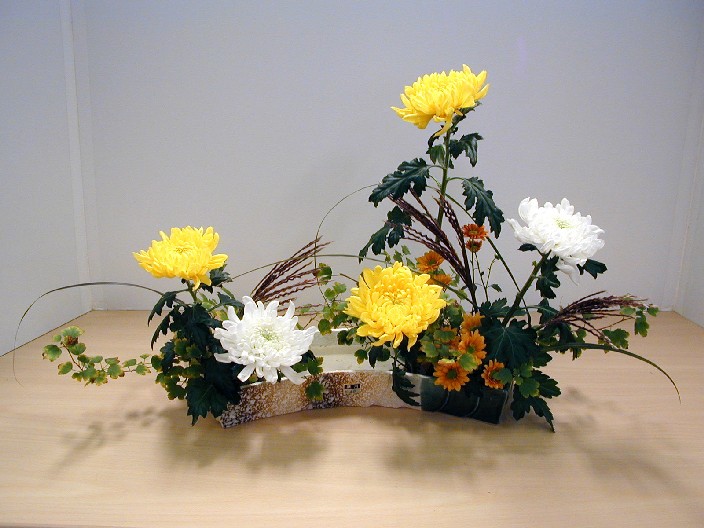
Ikenobō is a school that teaches and develops ikebana, the Japanese art of arranging flowers. Its arrangements can be simple or highly structured, often using seasonal branches, flowers, and leaves. Designs range from tall, upright forms to more relaxed, natural displays. Ikenobō arrangements are known for their attention to balance, space, and the relationship between materials, vessel, and setting. The school’s headquarters in Kyoto includes exhibition halls, classrooms, and a garden, serving as a hub for students and teachers.
Where does Ikenobō come from?
Ikenobō’s story begins at the Rokkaku-dō temple in Kyoto, a site tied to Buddhist practice since the 6th century. The name comes from a pond (ike) and a priest’s hut (bō) near the temple, where generations of monks lived. Arranging flowers for temple altars began after Buddhism arrived in Japan from China in the 6th century. By the 15th century, the monk Senno organized Ikenobō as a formal school. Over time, Ikenobō’s methods and styles shaped the development of ikebana across Japan.
How Ikenobō is made
Ikenobō arrangements are created by selecting flowers and branches that reflect the season or occasion. The arranger considers the shape and movement of each stem, placing them in a vase or vessel to create harmony and contrast. Traditional styles like rikka use specific rules and parts, while newer forms such as jiyūka allow more freedom. Lessons and demonstrations are held at the Kyoto headquarters and in chapters worldwide.


When and where Ikenobō is used
Ikenobō arrangements are part of religious ceremonies, festivals, and everyday life in Japan. They are placed on Buddhist altars, displayed in homes, and featured at public exhibitions. The school’s designs are especially present during events like Tanabata, when arranging contests were once held at the imperial court. Today, Ikenobō continues to teach and promote ikebana through workshops, publications, and international chapters.
Forms of Ikenobō
Ikenobō has developed several main styles over time. Rikka is a formal, upright arrangement with multiple branches, while shōka is simpler, focusing on three main elements. Jiyūka allows for creative freedom with materials and form. In the late 20th century, the shimputai style was introduced, bringing a modern approach to both rikka and shōka. Each style has traditional and contemporary versions.
What Ikenobō means
Ikenobō is deeply woven into Japanese culture and Buddhist ritual. Its arrangements symbolize respect for nature and the changing seasons. The school has produced many influential headmasters, and its techniques appear in literature and art from the Heian period onward. The headquarters in Kyoto remains a center for ikebana study and practice, and Ikenobō’s legacy continues through its global network of students and teachers.
Traditions that use it
Days and festivals
Questions people ask about Ikenobō
Where did Ikenobō originate?
Ikenobō began at the Rokkaku-dō temple in Kyoto, Japan, where Buddhist priests started arranging flowers for altars. The school was formally organized in the 15th century.
What styles of flower arranging does Ikenobō teach?
Ikenobō teaches several styles, including rikka (formal, upright), shōka (simpler, three-part), jiyūka (free style), and modern forms like shimputai.
What is the cultural significance of Ikenobō?
Ikenobō arrangements are closely linked to Japanese culture, Buddhist practice, and seasonal celebrations. The school’s methods have influenced ikebana throughout Japan and are recognized in art and literature.
How is Ikenobō practiced today?
Ikenobō is taught at its Kyoto headquarters and through chapters around the world. Students learn through classes, workshops, and exhibitions, using both traditional and modern styles.
Are Ikenobō arrangements used in religious events?
Yes, Ikenobō arrangements are placed on Buddhist altars and used in ceremonies and festivals, especially at important temples and during events like Tanabata.
Good reading and sources
The facts on this page come from the Wikipedia article "Ikenobō", written by its contributors and used under the CC BY-SA 4.0 licence, and from its Wikidata record (CC0). Phool rewrote the text in its own words, with AI assistance, and compares every page with the article to make sure no passage is copied. It may be reused under the same CC BY-SA 4.0 licence with a link back.
It may contain mistakes. If something is wrong, tell us. Last refreshed 2026-10-03.
More of the same kind
 Decoration
Bouquet
A creative arrangement of flowers, given or displayed for many occasions
🇨🇳 China and 1 more · Arrangement
Decoration
Bouquet
A creative arrangement of flowers, given or displayed for many occasions
🇨🇳 China and 1 more · Arrangement
 Decoration
Vase
An open container for holding and displaying cut flowers
Arrangement
Decoration
Vase
An open container for holding and displaying cut flowers
Arrangement
 Decoration
Floriculture
The science and business of growing flowers and ornamental plants
Arrangement
Decoration
Floriculture
The science and business of growing flowers and ornamental plants
Arrangement
 Decoration
Nageirebana抛入花
A free-form ikebana style using tall vases and no flower holders
Arrangement
Decoration
Nageirebana抛入花
A free-form ikebana style using tall vases and no flower holders
Arrangement
More from Japan
All the flowers of Japan Decoration
Bonsai盆栽
The Japanese art of shaping miniature trees in shallow pots
🇯🇵 Japan and 7 more · Art or design
Decoration
Bonsai盆栽
The Japanese art of shaping miniature trees in shallow pots
🇯🇵 Japan and 7 more · Art or design
 Decoration
Tokonoma床の間
A Japanese alcove for displaying scrolls and flower arrangements
🇯🇵 Japan · Arrangement
Decoration
Tokonoma床の間
A Japanese alcove for displaying scrolls and flower arrangements
🇯🇵 Japan · Arrangement
 Decoration
Hanami花見
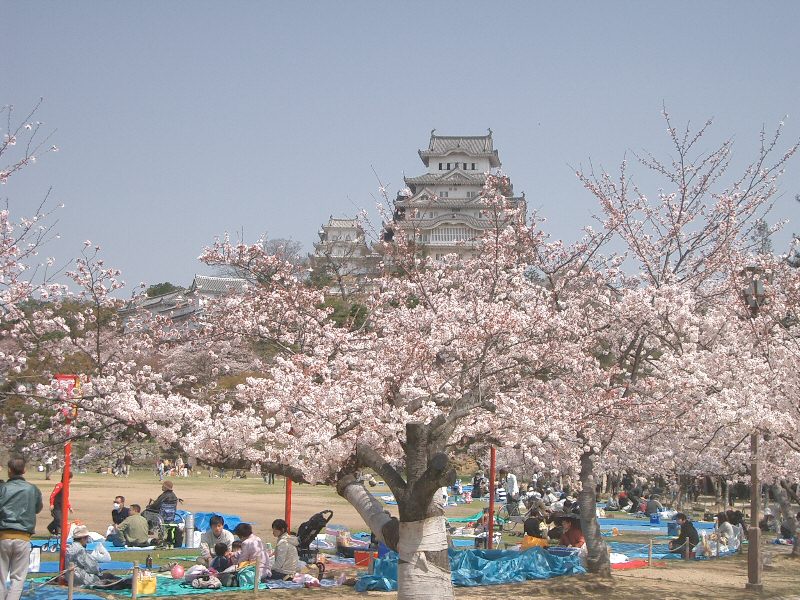
The Japanese tradition of gathering to enjoy cherry blossoms in spring
🇯🇵 Japan and 7 more · Custom, Jan to May
Decoration
Hanami花見
The Japanese tradition of gathering to enjoy cherry blossoms in spring
🇯🇵 Japan and 7 more · Custom, Jan to May
 Decoration
Sōgetsu草月流
A modern school of Japanese ikebana open to all materials and styles
🇯🇵 Japan · Arrangement
Decoration
Sōgetsu草月流
A modern school of Japanese ikebana open to all materials and styles
🇯🇵 Japan · Arrangement