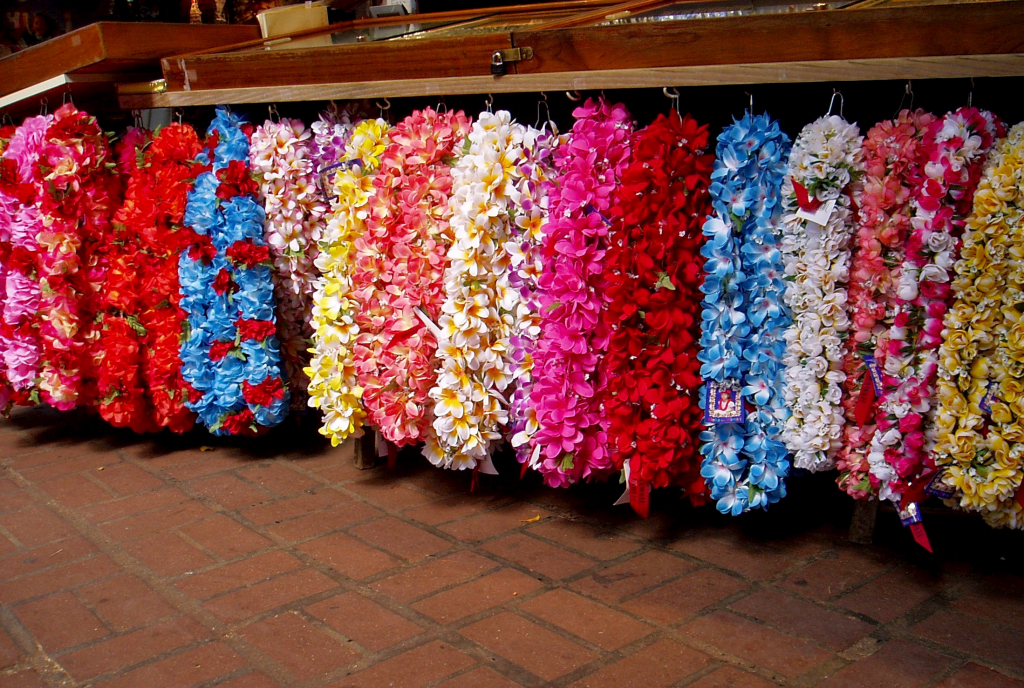
Lei Day
Hawaii’s annual festival of leis, flowers and island traditions on May 1
Lei Day is a statewide celebration in Hawaii held every May 1, honouring the tradition of making and giving flower garlands called leis. Each island has its own signature lei, made from local flowers or shells, and festivities include parades, hula, music, and lei-making contests. The event highlights Hawaiian culture and the spirit of aloha.
- Lei Day is held every May 1 across Hawaii.
- Each island has its own traditional lei and color.
- Leis are made from local flowers, leaves, or shells.
- Festivities include hula, music, and lei-making contests.
- The lei symbolizes aloha: love, greeting, and farewell.
What is Lei Day?
Lei Day is a festival dedicated to the Hawaiian lei, a garland made from flowers, leaves, vines, or shells. Each Hawaiian island has its own traditional lei, using local plants or shells in distinct colors: red lehua for Hawaii, pink lokelani for Maui, yellow ilima for Oahu, green kukui for Molokai, orange kauna'oa for Lanai, gray hinahina for Kahoolawe, purple mokihana for Kauai, and white pupu shells for Niihau. The event features parades, music, hula, and lei-making contests.
Where does Lei Day come from?
Lei Day was first celebrated in 1927 and became an official holiday in Hawaii in 1929. The idea came from local writers who wanted to honor the tradition of lei giving and making. The celebration was originally held at the Bank of Hawaii, then town halls, and later moved to Kapi'olani Park. Each island’s unique lei reflects its native plants or shells and its own color, and the custom of lei making was brought by Polynesian voyagers from Tahiti.
How Lei Day is made
Leis for Lei Day are crafted from flowers, leaves, vines, or shells, depending on the island. Flowers or shells are gathered, then strung, twisted, or woven into garlands. Each island’s lei uses a different technique and material: for example, the fragile pink lokelani rose for Maui, or the white pupu shells for Niihau, which are pierced and threaded. Lei-making contests are a highlight, showcasing skill and creativity.
When and where Lei Day is used
Lei Day is celebrated on May 1 with parades, hula performances, music, and lei contests. Schools hold plays and crown a Lei Day court representing each island. Leis are exchanged as gifts, worn for greetings, farewells, weddings, and special occasions. The festival draws both locals and visitors, and leis are also used in graduations, birthdays, and as symbols of aloha.
Forms of Lei Day
Each Hawaiian island has its own signature lei: Hawaii’s red lehua, Maui’s pink lokelani, Oahu’s yellow ilima, Molokai’s green kukui, Lanai’s orange kauna'oa, Kahoolawe’s gray hinahina, Kauai’s purple mokihana, and Niihau’s white pupu shell. The materials and methods vary, from woven vines to strung berries or shells. Some leis are scented, others are valued for their color or rarity.
What Lei Day means
Lei Day celebrates the aloha spirit and Hawaiian identity. The lei symbolizes love, greeting, farewell, and joy, with unspoken customs about how to wear and give it. The festival blends Hawaiian and other cultural influences, with music and dance reflecting both native and American styles. Lei Day is a source of pride and a way to share Hawaiian traditions with newcomers and visitors.
Days and festivals
Questions people ask about Lei Day
What is Lei Day and when is it celebrated?
Lei Day is a Hawaiian festival honoring the tradition of making and giving leis. It is celebrated statewide on May 1 each year, with festivities that include parades, music, hula, and lei-making contests.
Where did Lei Day originate?
Lei Day began in Hawaii in 1927 and became an official holiday in 1929. It was created to celebrate the Hawaiian custom of making and exchanging leis, with the idea coming from local writers and embraced by the community.
What flowers or materials are used for leis on Lei Day?
Each Hawaiian island uses a different material for its lei: Hawaii uses red lehua, Maui pink lokelani, Oahu yellow ilima, Molokai green kukui, Lanai orange kauna'oa, Kahoolawe gray hinahina, Kauai purple mokihana, and Niihau white pupu shells.
What does the lei symbolize in Hawaiian culture?
The lei represents the unspoken expression of aloha, which can mean love, greeting, farewell, hope, or joy. The tradition emphasizes respect and connection, and there are customs about how leis are given and worn.
How is Lei Day celebrated?
Lei Day is marked by parades, hula performances, music, lei-making contests, and the crowning of a Lei Day court. Schools and communities across Hawaii participate, and leis are exchanged as gifts and symbols of aloha.
Good reading and sources
The facts on this page come from the Wikipedia article "Lei Day", written by its contributors and used under the CC BY-SA 4.0 licence, and from its Wikidata record (CC0). Phool rewrote the text in its own words, with AI assistance, and compares every page with the article to make sure no passage is copied. It may be reused under the same CC BY-SA 4.0 licence with a link back.
It may contain mistakes. If something is wrong, tell us. Last refreshed 2026-10-03.
More of the same kind
 Decoration
Tokonoma床の間
A Japanese alcove for displaying scrolls and flower arrangements
🇯🇵 Japan · Arrangement
Decoration
Tokonoma床の間
A Japanese alcove for displaying scrolls and flower arrangements
🇯🇵 Japan · Arrangement
 Decoration
Bouquet
A creative arrangement of flowers, given or displayed for many occasions
🇨🇳 China and 1 more · Arrangement
Decoration
Bouquet
A creative arrangement of flowers, given or displayed for many occasions
🇨🇳 China and 1 more · Arrangement
 Decoration
Floriculture
The science and business of growing flowers and ornamental plants
Arrangement
Decoration
Floriculture
The science and business of growing flowers and ornamental plants
Arrangement
 Decoration
Sōgetsu草月流
A modern school of Japanese ikebana open to all materials and styles
🇯🇵 Japan · Arrangement
Decoration
Sōgetsu草月流
A modern school of Japanese ikebana open to all materials and styles
🇯🇵 Japan · Arrangement
More from the United States
All the flowers of the United States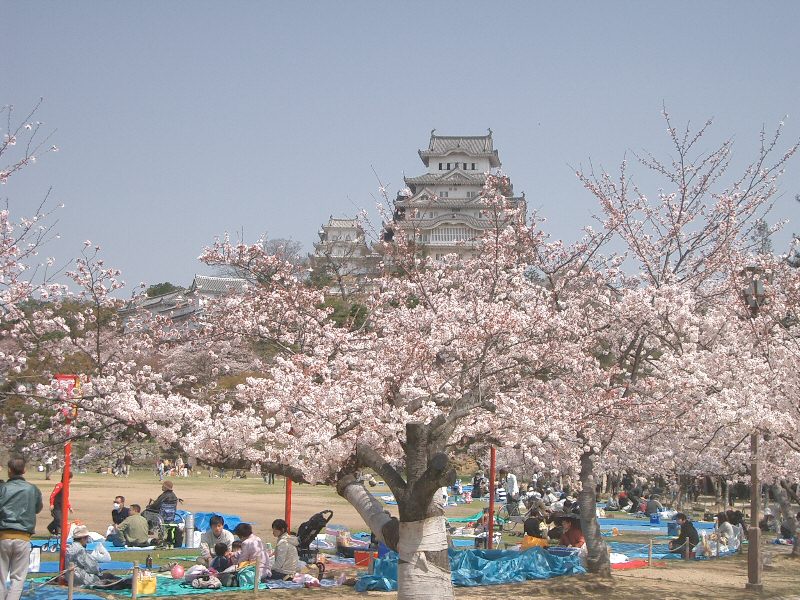 Decoration
Hanami花見
The Japanese tradition of gathering to enjoy cherry blossoms in spring
🇯🇵 Japan and 7 more · Custom, Jan to May
Decoration
Hanami花見
The Japanese tradition of gathering to enjoy cherry blossoms in spring
🇯🇵 Japan and 7 more · Custom, Jan to May
 Decoration
Bonsai盆栽
The Japanese art of shaping miniature trees in shallow pots
🇯🇵 Japan and 7 more · Art or design
Decoration
Bonsai盆栽
The Japanese art of shaping miniature trees in shallow pots
🇯🇵 Japan and 7 more · Art or design
 Decoration
May devotions to the Blessed Virgin Mary
Month-long Catholic customs honouring Mary with flowers, altars, and processions
🇮🇹 Italy and 7 more · Custom, May
Decoration
May devotions to the Blessed Virgin Mary
Month-long Catholic customs honouring Mary with flowers, altars, and processions
🇮🇹 Italy and 7 more · Custom, May
 Decoration
Flower power
A 1960s protest style using flowers as symbols of peace and resistance
🇺🇸 United States · Custom
Decoration
Flower power
A 1960s protest style using flowers as symbols of peace and resistance
🇺🇸 United States · Custom