Sizdah Be-dar
In its own language: سیزدهبدر
A springtime picnic festival marking the close of Nowruz in Iran
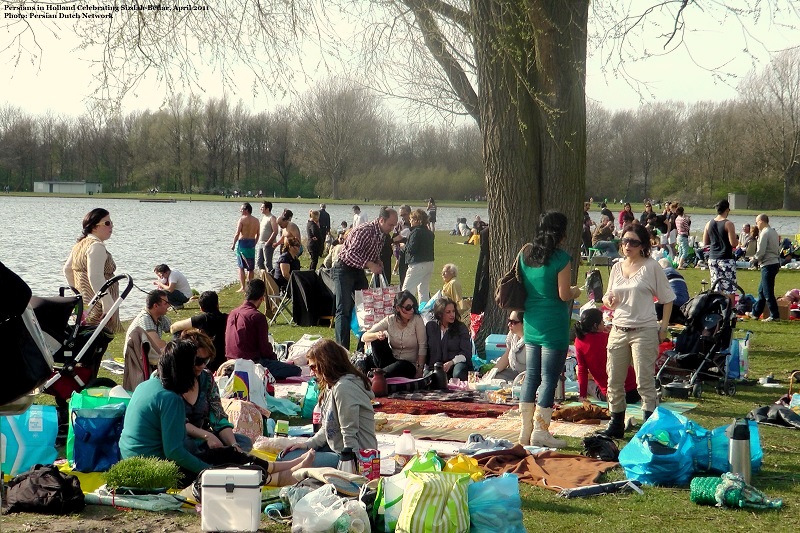
Sizdah Be-dar is a yearly Iranian tradition where families gather outdoors for picnics on the thirteenth day after Nowruz, the Persian New Year. The day is filled with food, games, and rituals like returning sprouted greens to nature, and marks the end of the New Year festivities.
- Celebrated outdoors on the thirteenth day after Nowruz
- Families picnic and play games in nature
- Sprouted greens from Nowruz are released into rivers
- Young people tie knots in greens for good luck
- Traditional foods like Sekanjabin and Ash-e Doogh are enjoyed
What is Sizdah Be-dar?
Sizdah Be-dar is a festival where people leave their homes to spend the day in parks, countryside, or by rivers. Families and friends enjoy picnics, play games, and relax in natural settings. A key part of the day is bringing the sabzeh, or sprouted greens from the Nowruz table, to flowing water and letting them go, symbolizing a return to nature. The event is lively, with laughter, food, and traditional drinks like Sekanjabin.
Where does Sizdah Be-dar come from?
The roots of Sizdah Be-dar go back to ancient Persia, though its exact beginnings are unclear. Some sources link it to rituals for the rain angel Tir, where people would gather outdoors to pray for rain and celebrate the start of the farming season. The thirteenth day of the first month was seen as a time to leave the house and avoid bad luck, a belief that continues today. The custom is mentioned in old epics and has evolved over centuries.
How Sizdah Be-dar is made
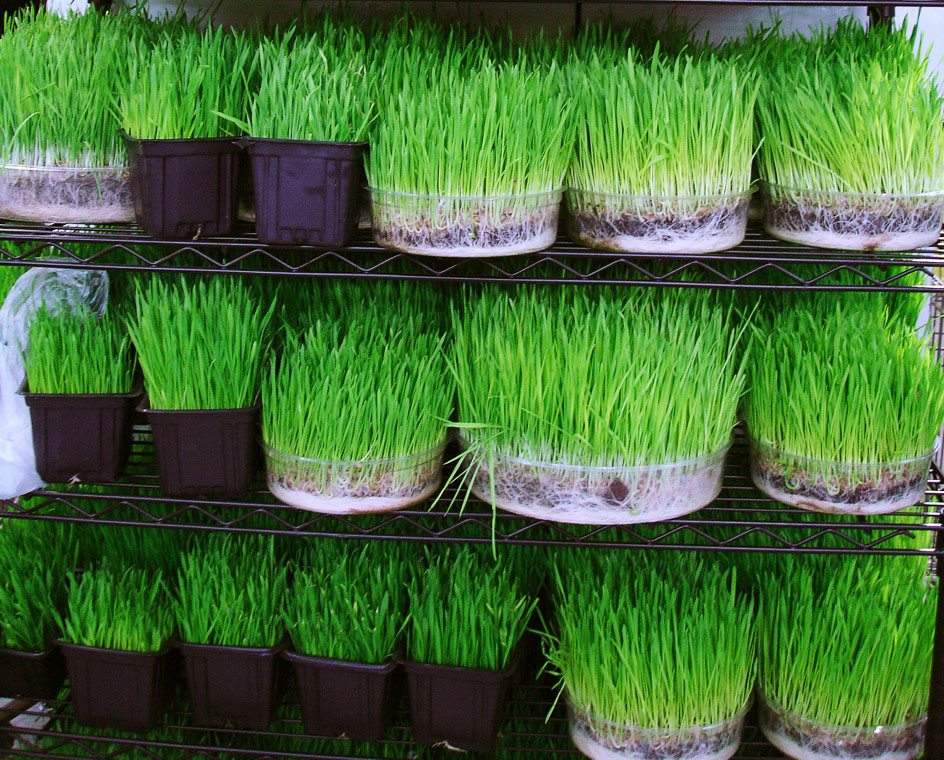
On Sizdah Be-dar, families prepare food and drinks, pack their belongings, and head to green spaces. The sabzeh, grown for the Nowruz table, is brought along. At the end of the day, people toss the sabzeh into rivers or streams. Young people often tie knots in the greens, wishing for good fortune or marriage. Traditional foods like lettuce with Sekanjabin and yogurt soup are enjoyed during the outing.

When and where Sizdah Be-dar is used
This festival is observed by Iranians and those of Iranian descent, both in Iran and abroad. It takes place every spring, thirteen days after Nowruz, and is a time for socializing, eating, and playing outdoors. The day is also marked by playful pranks, similar to April Fools' Day. The main ritual is returning the sabzeh to nature, which is thought to bring renewal and luck.
Forms of Sizdah Be-dar
While Sizdah Be-dar is celebrated across Iran, local customs and foods may differ. In some regions, special dishes like Ash-e Doogh, a yogurt-based soup, are popular. The festival is also observed by Iranian communities in other countries, sometimes on the nearest weekend to the thirteenth day. The way people picnic and the games they play can vary by region.
What Sizdah Be-dar means
Sizdah Be-dar is a symbol of renewal, nature, and community in Iranian culture. It marks the official end of Nowruz celebrations and is seen as a way to avoid misfortune by spending the day outdoors. The ritual of knotting and releasing greens reflects wishes for happiness and new beginnings. The festival blends ancient beliefs with modern family traditions.
Days and festivals
Questions people ask about Sizdah Be-dar
When is Sizdah Be-dar celebrated?
Sizdah Be-dar takes place on the thirteenth day after Nowruz, which usually falls on April 2 in Iran, marking the end of the New Year holiday.
What do people do on Sizdah Be-dar?
People gather outdoors for picnics, play games, and enjoy traditional foods. They also release the sabzeh, or sprouted greens from the Nowruz table, into running water.
Where does Sizdah Be-dar come from?
The festival has ancient Persian roots, with connections to rituals for the rain angel Tir and traditions of celebrating the start of the agricultural year.
What is the meaning behind releasing the greens?
Letting the sabzeh go into water symbolizes returning what was borrowed from nature and is believed to bring renewal and good luck for the coming year.
Is Sizdah Be-dar only celebrated in Iran?
While it is a major event in Iran, Iranian communities in other countries also observe Sizdah Be-dar, often gathering in parks or natural spaces to continue the tradition.
Good reading and sources
- Sizdah Be-dar on WikipediaEncyclopedia
- More photos on Wikimedia CommonsPhotos
- Wikidata recordOpen data
The facts on this page come from the Wikipedia article "Sizdah Be-dar", written by its contributors and used under the CC BY-SA 4.0 licence, and from its Wikidata record (CC0). Phool rewrote the text in its own words, with AI assistance, and compares every page with the article to make sure no passage is copied. It may be reused under the same CC BY-SA 4.0 licence with a link back.
It may contain mistakes. If something is wrong, tell us. Last refreshed 2026-10-03.
More of the same kind
 Decoration
Bonsai盆栽
The Japanese art of shaping miniature trees in shallow pots
🇯🇵 Japan and 7 more · Art or design
Decoration
Bonsai盆栽
The Japanese art of shaping miniature trees in shallow pots
🇯🇵 Japan and 7 more · Art or design
 Decoration
Tokonoma床の間
A Japanese alcove for displaying scrolls and flower arrangements
🇯🇵 Japan · Arrangement
Decoration
Tokonoma床の間
A Japanese alcove for displaying scrolls and flower arrangements
🇯🇵 Japan · Arrangement
 Decoration
Hanami花見
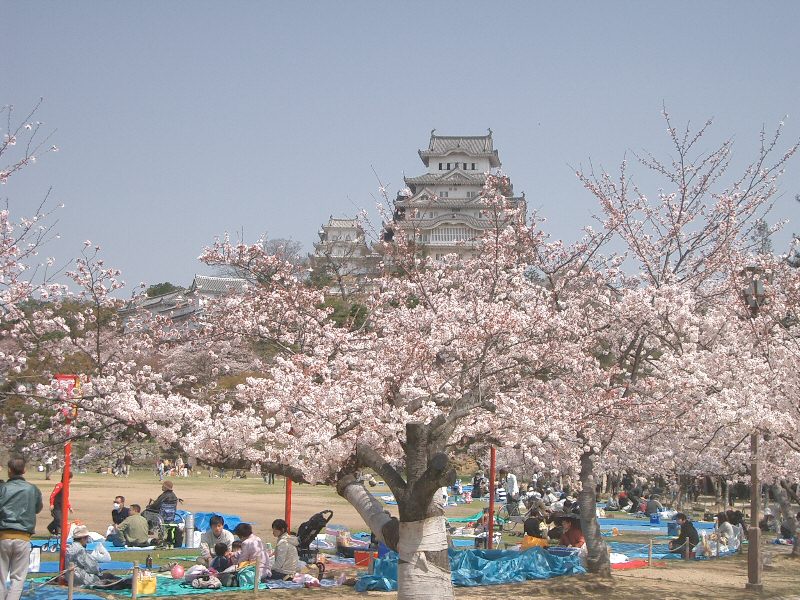
The Japanese tradition of gathering to enjoy cherry blossoms in spring
🇯🇵 Japan and 7 more · Custom, Jan to May
Decoration
Hanami花見
The Japanese tradition of gathering to enjoy cherry blossoms in spring
🇯🇵 Japan and 7 more · Custom, Jan to May
 Decoration
Sōgetsu草月流
A modern school of Japanese ikebana open to all materials and styles
🇯🇵 Japan · Arrangement
Decoration
Sōgetsu草月流
A modern school of Japanese ikebana open to all materials and styles
🇯🇵 Japan · Arrangement
More from Iran
All the flowers of Iran Decoration
Butaبوته
A curved floral motif found in Persian, Indian, and Central Asian art and textiles
🇮🇷 Iran and 5 more · Art or design
Decoration
Butaبوته
A curved floral motif found in Persian, Indian, and Central Asian art and textiles
🇮🇷 Iran and 5 more · Art or design
 Decoration
Suzani textileسوزن
Embroidered dowry textiles from Central Asia, rich in floral and tribal designs
🇹🇯 Tajikistan and 3 more · Flower craft
Decoration
Suzani textileسوزن
Embroidered dowry textiles from Central Asia, rich in floral and tribal designs
🇹🇯 Tajikistan and 3 more · Flower craft
 Decoration
Rose waterگلاب
Flavoured water made by steeping or distilling rose petals
🇮🇷 Iran and 2 more · Offering or rite
Decoration
Rose waterگلاب
Flavoured water made by steeping or distilling rose petals
🇮🇷 Iran and 2 more · Offering or rite
 Decoration
Valentine's Day
A day for expressing love with cards, flowers, and gifts on February 14
🇮🇳 India and 1 more · Custom, February
Decoration
Valentine's Day
A day for expressing love with cards, flowers, and gifts on February 14
🇮🇳 India and 1 more · Custom, February