
Tanzaku
In its own language: 短冊
Long paper strips for wishes and poetry, hung on bamboo at Tanabata in Japan
Tanzaku are slim strips of paper used in Japan for writing wishes or poetry, especially during the Tanabata festival. People hang them on bamboo branches, a custom that spread nationwide after World War II and is now a familiar part of childhood and school life in Japan.
- Tanzaku are paper strips for wishes or poetry, hung on bamboo at Tanabata.
- The custom became widespread in Japan after World War II.
- Tanzaku are often decorated with patterns or gold and silver leaf.
- Schools and shopping streets play a major role in the tradition.
- Tanzaku are included as an emoji in Unicode (🎋).
What is Tanzaku?
A tanzaku is a long, narrow strip of paper, usually about 35 cm by 6 cm, used for writing short poems or wishes. During Tanabata, people write their hopes or poetry on these strips and hang them from bamboo branches. Tanzaku can be decorated with patterns, gold or silver leaf, and sometimes feature cloud shapes or underdrawings. The tradition is especially visible in schools and shopping streets, where bamboo trees covered in colorful tanzaku create a festive display.
Where does Tanzaku come from?
The use of tanzaku dates back to at least the Kamakura period in Japan, with earlier forms mentioned in classic texts. Originally, tanzaku referred to any strip of paper, including those for official records, divination, or poetry. The custom of writing wishes on tanzaku and hanging them on bamboo for Tanabata began in the Edo period, influenced by educational practices in terakoya (private schools). After World War II, the tradition became widespread across Japan, promoted by schools and shopping districts.
How Tanzaku is made
To make a tanzaku, a strip of paper is cut to a standard size, often decorated with colors or patterns. For Tanabata, people write their wishes or poems on the tanzaku, then tie them to bamboo branches. In poetry, there are specific formats for writing waka, such as arranging lines and using decorative elements. The process is simple and accessible, making it popular in schools and communities.


When and where Tanzaku is used
Tanzaku are most often used during Tanabata, on July 7th, when people of all ages write wishes and hang them on bamboo. Schools organize activities for children to participate, and shopping streets may display large bamboo trees covered in tanzaku to attract visitors. The custom is now a nationwide tradition in Japan, experienced by most children and many adults each summer.
Forms of Tanzaku
Tanzaku vary in size and decoration depending on the school or region. Some feature elaborate patterns, gold or silver leaf, or cloud motifs, especially in historical examples from the Muromachi period. The writing format can also differ, especially for waka poetry, with rules about line placement and ink use. Modern tanzaku for Tanabata are often brightly colored and simple.
What Tanzaku means
Tanzaku are closely tied to the Tanabata festival, symbolizing hopes and dreams. The act of writing a wish and hanging it on bamboo is a cherished summer tradition in Japan, especially in schools and shopping districts. The custom has become a symbol of childhood and community spirit. Tanzaku have also been encoded as an emoji, reflecting their cultural significance.
Days and festivals
Questions people ask about Tanzaku
What is a tanzaku?
A tanzaku is a long, narrow strip of paper used in Japan for writing wishes or short poems, especially during the Tanabata festival. People hang these strips on bamboo branches as part of the celebration.
Where does the tanzaku tradition come from?
The practice of writing on tanzaku and hanging them on bamboo for Tanabata began in the Edo period in Japan. It was promoted by schools and shopping districts and spread nationwide after World War II.
How are tanzaku used during Tanabata?
During Tanabata, people write their wishes or poetry on tanzaku and hang them from bamboo branches. This is done in homes, schools, and public places, creating colorful displays.
Are there special rules for writing on tanzaku?
When writing waka poetry on tanzaku, there are traditional formats, such as writing in two lines and following specific placement rules. For wishes during Tanabata, people usually write freely.
What do tanzaku symbolize?
Tanzaku symbolize hopes and dreams, especially during Tanabata. Writing a wish and hanging it on bamboo is seen as a way to express personal aspirations and participate in a shared cultural tradition.
Good reading and sources
The facts on this page come from the Wikipedia article "Tanzaku", written by its contributors and used under the CC BY-SA 4.0 licence, and from its Wikidata record (CC0). EveryPhool rewrote the text in its own words, with AI assistance, and compares every page with the article to make sure no passage is copied. It may be reused under the same CC BY-SA 4.0 licence with a link back.
It may contain mistakes. If something is wrong, tell us. Last refreshed 2026-10-03.
More of the same kind
 Decoration
Floriculture
The science and business of growing flowers and ornamental plants
Arrangement
Decoration
Floriculture
The science and business of growing flowers and ornamental plants
Arrangement
 Decoration
Corn dolly
Straw figures shaped for harvest customs across Europe
🇮🇪 Ireland and 3 more · Flower craft
Decoration
Corn dolly
Straw figures shaped for harvest customs across Europe
🇮🇪 Ireland and 3 more · Flower craft
 Decoration
Varamalaवरमाला
A flower garland exchanged by bride and groom in Hindu weddings
🇮🇳 India · Garland or wreath
Decoration
Varamalaवरमाला
A flower garland exchanged by bride and groom in Hindu weddings
🇮🇳 India · Garland or wreath
 Decoration
Bouquet
A creative arrangement of flowers, given or displayed for many occasions
🇨🇳 China and 1 more · Arrangement
Decoration
Bouquet
A creative arrangement of flowers, given or displayed for many occasions
🇨🇳 China and 1 more · Arrangement
More from Japan
All the flowers of Japan Decoration
Bonsai盆栽
The Japanese art of shaping miniature trees in shallow pots
🇯🇵 Japan and 7 more · Art or design
Decoration
Bonsai盆栽
The Japanese art of shaping miniature trees in shallow pots
🇯🇵 Japan and 7 more · Art or design
 Decoration
Tokonoma床の間
A Japanese alcove for displaying scrolls and flower arrangements
🇯🇵 Japan · Arrangement
Decoration
Tokonoma床の間
A Japanese alcove for displaying scrolls and flower arrangements
🇯🇵 Japan · Arrangement
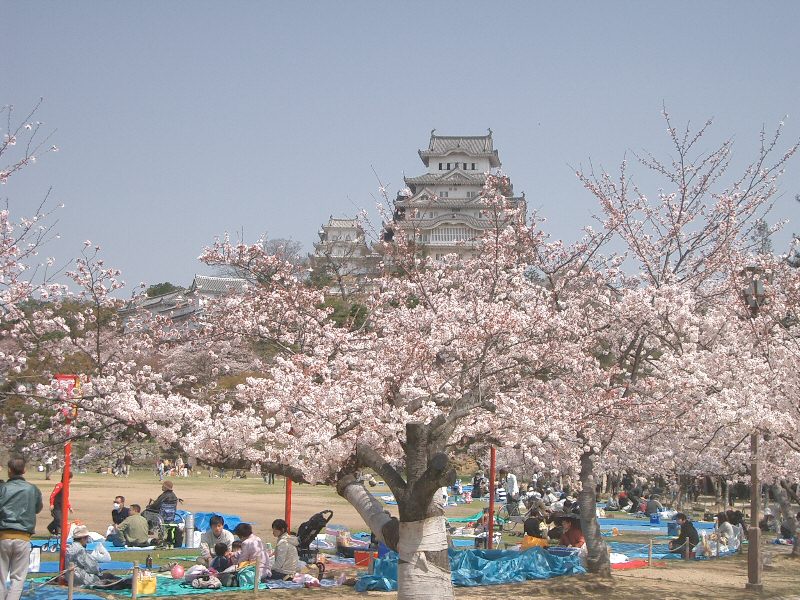 Decoration
Hanami花見
The Japanese tradition of gathering to enjoy cherry blossoms in spring
🇯🇵 Japan and 7 more · Custom, Jan to May
Decoration
Hanami花見
The Japanese tradition of gathering to enjoy cherry blossoms in spring
🇯🇵 Japan and 7 more · Custom, Jan to May
 Decoration
Sōgetsu草月流
A modern school of Japanese ikebana open to all materials and styles
🇯🇵 Japan · Arrangement
Decoration
Sōgetsu草月流
A modern school of Japanese ikebana open to all materials and styles
🇯🇵 Japan · Arrangement