
African lily
Agapanthus africanus, family Amaryllidaceae
Blue-flowered plant from South Africa’s winter rainfall fynbos
African lily is a perennial plant with blue, funnel-shaped flowers that grows wild on rocky slopes in South Africa’s Cape region. Its blooms appear in large clusters from November to April, especially after fire, and the plant is adapted to survive in the fynbos habitat.
- Native to South Africa’s Cape Peninsula and Swellendam
- Flowers are blue with a dark stripe on each petal
- Blooms mainly from November to April, especially after fire
- Subspecies walshii is endangered and very rare
- Often confused with Agapanthus praecox in gardens
What does African lily look like?
African lily is a rhizomatous evergreen plant that grows 25 to 70 cm tall. Its leaves are long, strap-shaped, and leathery. The flowers are thick-textured, broadly funnel-shaped, and range from pale to deep blue, each petal marked with a dark blue stripe. The blooms are grouped in large clusters atop tall stalks. There is some variation in flower color between subspecies, with paler or darker blue forms.
Where does African lily come from?
This plant is native to the winter rainfall fynbos of South Africa, found only on rocky sandstone slopes from the Cape Peninsula to Swellendam. It is not found along the Nile, despite its common name. The species has adapted to survive fires common in the fynbos, resprouting from thick roots. Its name has often been confused with the more widespread Agapanthus praecox in horticulture.
When and how African lily blooms
African lily flowers from November to April, with peak blooming in the summer months, especially after fire. It grows best in well-drained, sandy, slightly acidic soil and prefers a winter rainfall climate with hot, dry summers. The plant is usually grown from rhizomes. Subspecies walshii is particularly difficult to cultivate and survives only in containers with minimal summer watering.


How African lily is used
The plant is sometimes grown in gardens or containers, though it is challenging to cultivate outside its native range. Extracts from African lily have been studied for their antifungal properties and ability to protect crops like sorghum and wheat from certain pathogens. In the wild, its flowers are visited by bees, sunbirds, and sometimes eaten by animals like baboons and buck.
Kinds of African lily
There are two main subspecies: Agapanthus africanus africanus, which has darker blue flowers, and Agapanthus africanus walshii, which tends to have paler blooms and is much rarer and more difficult to grow. Subsp. walshii is found only in the Elgin valley and is considered endangered.
What African lily means
African lily is sometimes called lily of the Nile, though it is only native to South Africa. The species is adapted to fire-prone fynbos and is part of the region’s unique flora. Subsp. walshii is listed as endangered due to habitat loss, though some populations are protected in reserves.
Where African lily is used and seen

Questions people ask about African lily
Where does African lily come from?
African lily grows wild only in South Africa, on rocky sandstone slopes from the Cape Peninsula to Swellendam in the winter rainfall fynbos region.
What does the African lily look like?
It is an evergreen plant with long, strap-shaped leaves and clusters of funnel-shaped blue flowers, each petal marked with a dark blue stripe. The flowers are grouped in large heads on tall stalks.
Is African lily easy to grow in gardens?
This species is much harder to grow than the more common Agapanthus praecox. It needs well-drained, sandy, acidic soil and a winter rainfall climate. Subspecies walshii is especially difficult and only survives in containers.
What is African lily used for?
It is sometimes grown as a garden or container plant and has been studied for antifungal properties that can help protect crops. In the wild, it is part of the fynbos ecosystem.
Is African lily endangered?
The subspecies Agapanthus africanus walshii is considered endangered and is found only in a small area in the Elgin valley, with some protection in reserves.
Good reading and sources
- Encyclopaedia BritannicaArticle
- USDA Plants DatabaseUS Department of Agriculture, Article
- Plants of the World OnlineRoyal Botanic Gardens, Kew, Plant database
- Where it has been recordedGBIF, Plant database
- Sightings and photos by naturalistsiNaturalist, Plant database
- Agapanthus africanus on WikipediaEncyclopedia
- More photos on Wikimedia CommonsPhotos
- Wikidata recordOpen data
The facts on this page come from the Wikipedia article "Agapanthus africanus", written by its contributors and used under the CC BY-SA 4.0 licence, and from its Wikidata record (CC0). Phool rewrote the text in its own words, with AI assistance, and compares every page with the article to make sure no passage is copied. It may be reused under the same CC BY-SA 4.0 licence with a link back.
It may contain mistakes. It is not medical or foraging advice: many flowers are poisonous, and traditional uses are reported, not recommended. If something is wrong, tell us. Last refreshed 2026-10-03.
Others in the family Amaryllidaceae
The whole family Narcissus
Spring-flowering bulbs with trumpet-shaped blooms in white, yellow, and orange
🇬🇧 United Kingdom and 7 more · Wildflower
Narcissus
Spring-flowering bulbs with trumpet-shaped blooms in white, yellow, and orange
🇬🇧 United Kingdom and 7 more · Wildflower
 Wild GarlicAllium ursinum
A wild woodland plant with star-shaped white flowers and edible leaves
🇮🇪 Ireland · Wildflower
Wild GarlicAllium ursinum
A wild woodland plant with star-shaped white flowers and edible leaves
🇮🇪 Ireland · Wildflower
 Allium
The genus of onions, garlic, leeks, chives and their wild relatives
Allium · Wildflower
Allium
The genus of onions, garlic, leeks, chives and their wild relatives
Allium · Wildflower
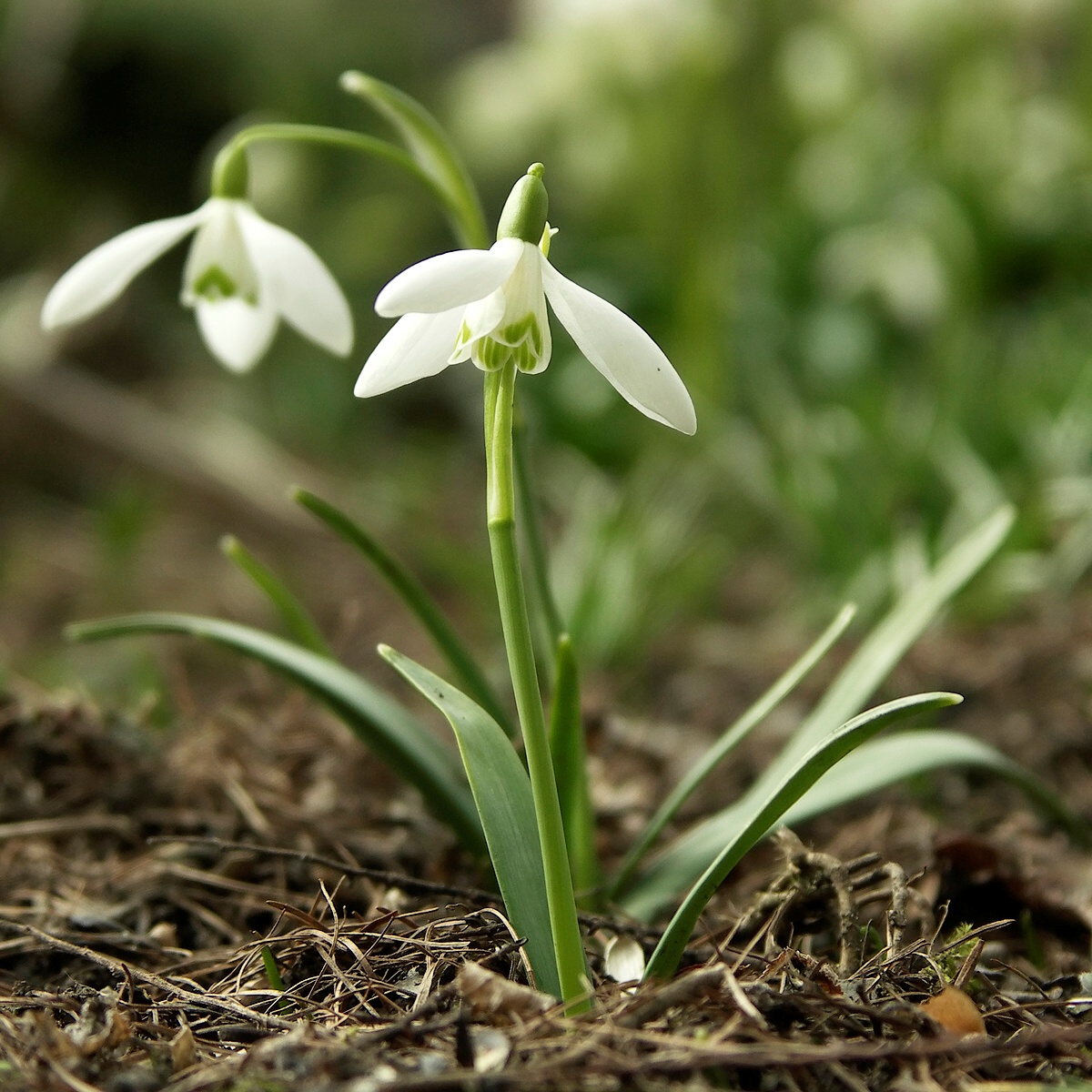 SnowdropGalanthus
White bell-shaped flowers that bloom at the end of winter
🇹🇷 Turkey and 7 more · Wildflower
SnowdropGalanthus
White bell-shaped flowers that bloom at the end of winter
🇹🇷 Turkey and 7 more · Wildflower
More from South Africa
All the flowers of South Africa Eucalyptus
The tall, aromatic trees and shrubs known as gum trees or eucalypts
🇦🇺 Australia and 7 more · Flowering tree
Eucalyptus
The tall, aromatic trees and shrubs known as gum trees or eucalypts
🇦🇺 Australia and 7 more · Flowering tree
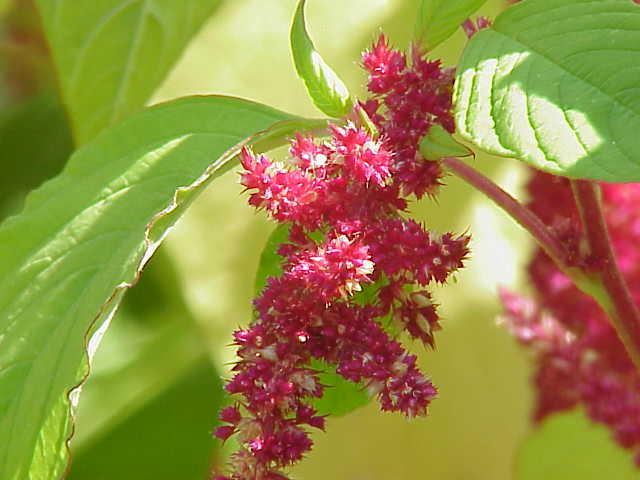 AmaranthAmaranthus
A tall, colourful plant grown for its flowers, leaves and edible seeds
🇲🇽 Mexico and 7 more · Wildflower
AmaranthAmaranthus
A tall, colourful plant grown for its flowers, leaves and edible seeds
🇲🇽 Mexico and 7 more · Wildflower
 Acacia
Shrubs and trees with golden or cream puffball flowers, native mostly to Australia
🇦🇺 Australia and 6 more · Wildflower
Acacia
Shrubs and trees with golden or cream puffball flowers, native mostly to Australia
🇦🇺 Australia and 6 more · Wildflower
 Sensitive PlantMimosa pudica
A touch-sensitive plant whose leaves fold up when disturbed
🇧🇷 Brazil and 8 more · Wildflower
Sensitive PlantMimosa pudica
A touch-sensitive plant whose leaves fold up when disturbed
🇧🇷 Brazil and 8 more · Wildflower