
African lily
Agapanthus praecox, family Amaryllidaceae
A long-lived perennial with blue, purple, or white umbels from South Africa
African lily is a perennial plant from South Africa, grown worldwide for its showy clusters of blue, purple, or white flowers. It thrives in gardens and public spaces, especially in Mediterranean climates, and can live for decades with minimal care.
- Native to South Africa's KwaZulu-Natal and Eastern Cape provinces
- Flowers in blue, purple, or white clusters on tall stems
- Can live up to 75 years
- Naturalised in Australia, New Zealand, and several islands
- Roots are strong enough to break concrete
What does African lily look like?
African lily is a perennial with evergreen, strap-shaped leaves up to half a meter long. Its flowers form rounded heads on tall stalks that can reach a meter in height. The blooms come in shades of blue, purple, or white, and are arranged in open clusters. After flowering, the plant produces capsules containing shiny black seeds. Its roots are strong enough to break through hard surfaces.
Where does African lily come from?
This plant grows wild in the KwaZulu-Natal and Eastern Cape regions of South Africa. It has become popular in gardens around the world, especially in places with mild, Mediterranean-style climates. Over time, it has spread and now grows outside its native range in countries such as Australia and New Zealand, as well as on several islands. Most garden agapanthus are derived from this species or its close relatives.
When and how African lily blooms
African lily prefers well-drained soil and does best in full sun, though it can handle some shade. It is usually grown from seed or by dividing mature plants. Once established, it can tolerate dry periods and even some frost if protected when young. The plant disappears in winter, returning in spring. Young shoots may need protection from slugs and snails.


How African lily is used
People grow African lily for its attractive flowers in gardens and public spaces. In Australia, it is often planted along roads and in landscaping projects because it copes well with heat and drought. In some regions, it has become so widespread that it is considered a weed, though it is not usually highly invasive.
Kinds of African lily
There are three main subspecies. Subsp. praecox grows in the Eastern Cape and has leathery leaves and blue flowers in summer. Subsp. orientalis, found in the Eastern Cape and southern KwaZulu-Natal, has more leaves per plant and can be toxic. Subsp. minimus is the smallest, with a longer blooming season and flowers in blue or white.
What African lily means
African lily is valued for its hardiness and long flowering period. It is a familiar sight in gardens and public plantings in many countries. In some places, it is used as a symbol or emblem, and its ability to thrive in tough conditions makes it a favourite for landscaping. However, its spread outside its native range has led to concerns about invasiveness in some areas.
Where African lily is used and seen

Questions people ask about African lily
Where does African lily come from?
African lily is native to the KwaZulu-Natal and Eastern Cape provinces of South Africa, but it is now grown and naturalised in many parts of the world.
What does African lily look like?
It has long, strap-shaped leaves and produces rounded heads of blue, purple, or white flowers on tall stems. The flowers are arranged in open clusters and are followed by seed capsules.
How is African lily used?
It is mainly grown for its decorative flowers in gardens and public landscaping. In some countries, it is planted along roads and in parks because it tolerates drought and heat.
Is African lily toxic?
Some subspecies, such as subsp. orientalis, are poisonous. Care should be taken, especially with pets and children.
What does African lily symbolise?
While the sources do not mention a specific symbolic meaning, it is often used as an emblem in some regions and is valued for its resilience and beauty.
Good reading and sources
- USDA Plants DatabaseUS Department of Agriculture, Article
- Agapanthus praecoxRoyal Horticultural Society, Article
- Plants of the World OnlineRoyal Botanic Gardens, Kew, Plant database
- Where it has been recordedGBIF, Plant database
- Sightings and photos by naturalistsiNaturalist, Plant database
- Agapanthus praecox on WikipediaEncyclopedia
- More photos on Wikimedia CommonsPhotos
- Wikidata recordOpen data
The facts on this page come from the Wikipedia article "Agapanthus praecox", written by its contributors and used under the CC BY-SA 4.0 licence, and from its Wikidata record (CC0). Phool rewrote the text in its own words, with AI assistance, and compares every page with the article to make sure no passage is copied. It may be reused under the same CC BY-SA 4.0 licence with a link back.
It may contain mistakes. It is not medical or foraging advice: many flowers are poisonous, and traditional uses are reported, not recommended. If something is wrong, tell us. Last refreshed 2026-10-03.
Others in the family Amaryllidaceae
The whole family Narcissus
Spring-flowering bulbs with trumpet-shaped blooms in white, yellow, and orange
🇬🇧 United Kingdom and 7 more · Wildflower
Narcissus
Spring-flowering bulbs with trumpet-shaped blooms in white, yellow, and orange
🇬🇧 United Kingdom and 7 more · Wildflower
 Allium
The genus of onions, garlic, leeks, chives and their wild relatives
Allium · Wildflower
Allium
The genus of onions, garlic, leeks, chives and their wild relatives
Allium · Wildflower
 Wild GarlicAllium ursinum
A wild woodland plant with star-shaped white flowers and edible leaves
🇮🇪 Ireland · Wildflower
Wild GarlicAllium ursinum
A wild woodland plant with star-shaped white flowers and edible leaves
🇮🇪 Ireland · Wildflower
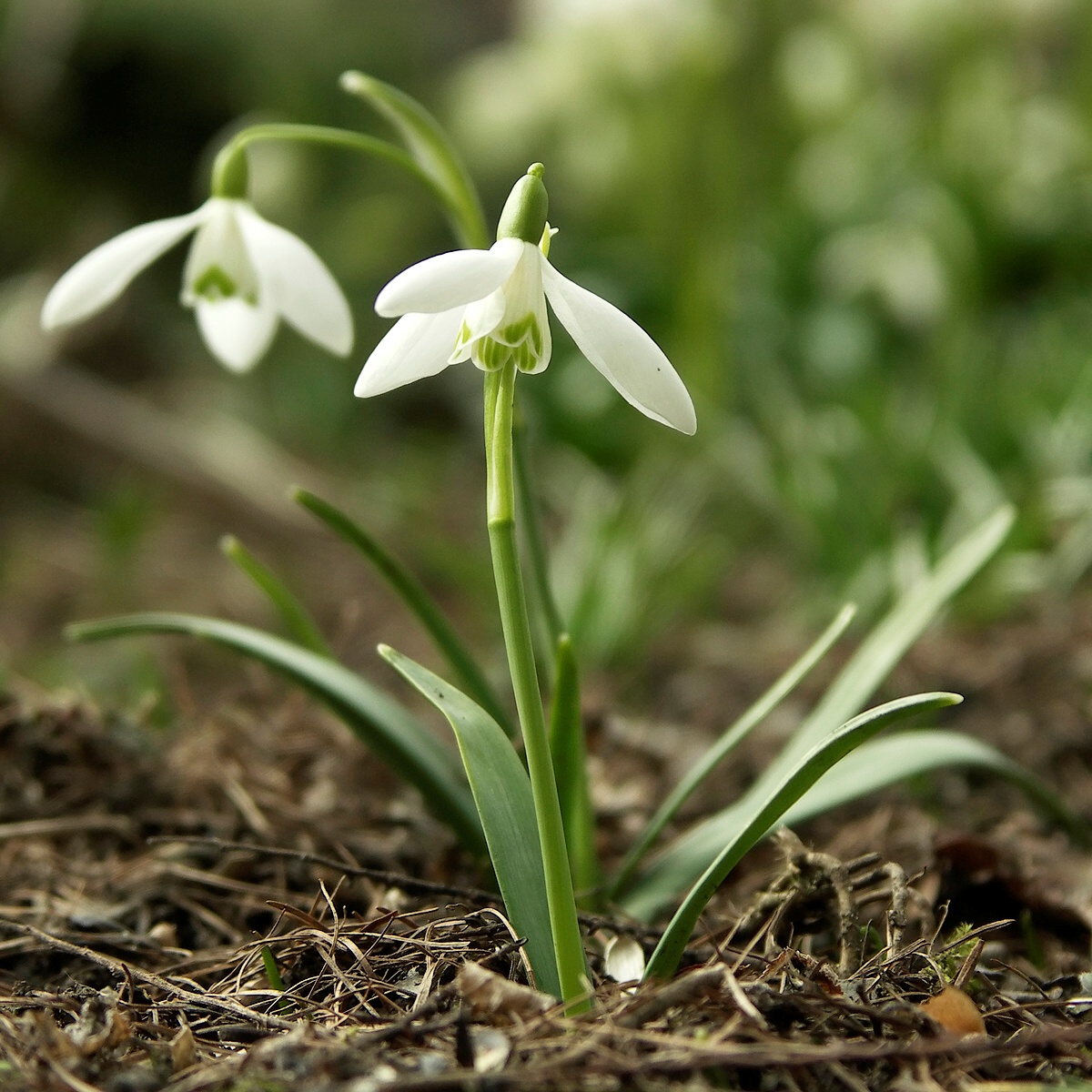 SnowdropGalanthus
White bell-shaped flowers that bloom at the end of winter
🇹🇷 Turkey and 7 more · Wildflower
SnowdropGalanthus
White bell-shaped flowers that bloom at the end of winter
🇹🇷 Turkey and 7 more · Wildflower
More from South Africa
All the flowers of South Africa Eucalyptus
The tall, aromatic trees and shrubs known as gum trees or eucalypts
🇦🇺 Australia and 7 more · Flowering tree
Eucalyptus
The tall, aromatic trees and shrubs known as gum trees or eucalypts
🇦🇺 Australia and 7 more · Flowering tree
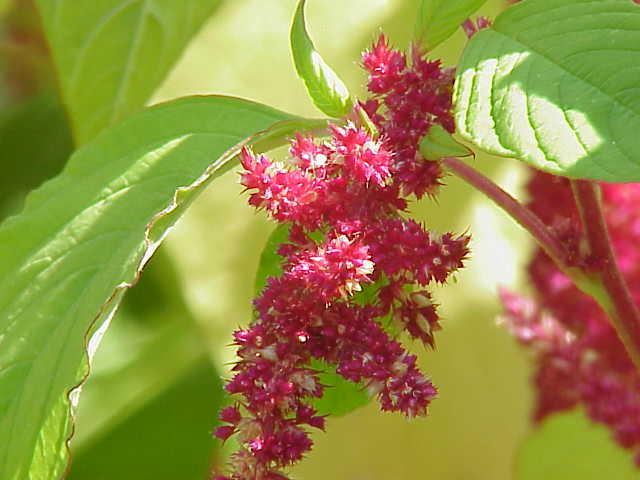 AmaranthAmaranthus
A tall, colourful plant grown for its flowers, leaves and edible seeds
🇲🇽 Mexico and 7 more · Wildflower
AmaranthAmaranthus
A tall, colourful plant grown for its flowers, leaves and edible seeds
🇲🇽 Mexico and 7 more · Wildflower
 Acacia
Shrubs and trees with golden or cream puffball flowers, native mostly to Australia
🇦🇺 Australia and 6 more · Wildflower
Acacia
Shrubs and trees with golden or cream puffball flowers, native mostly to Australia
🇦🇺 Australia and 6 more · Wildflower
 Sensitive PlantMimosa pudica
A touch-sensitive plant whose leaves fold up when disturbed
🇧🇷 Brazil and 8 more · Wildflower
Sensitive PlantMimosa pudica
A touch-sensitive plant whose leaves fold up when disturbed
🇧🇷 Brazil and 8 more · Wildflower