
March Lily
Amaryllis belladonna, family Amaryllidaceae
A pink-flowered bulb from South Africa that blooms on bare stems in late summer
March Lily is a bulbous plant from South Africa’s Cape Province, grown for its pink, fragrant flowers that appear on leafless stems in late summer or autumn. It is now found in gardens and naturalized in many regions worldwide, but all parts are toxic if eaten.
- Native to South Africa’s Cape Province
- Pink, fragrant flowers bloom on bare stems in late summer
- Naturalized in gardens and wild areas worldwide
- All parts of the plant are toxic if eaten
- Pollinated by moths and carpenter bees
What does March Lily look like?
March Lily grows from a bulb and sends up one or two sturdy, leafless stems at the end of summer. Each stem carries a cluster of two to twelve funnel-shaped flowers, which are pink and can reach up to 10 cm long. The blooms are sweetly scented and appear before the narrow, strap-like leaves, giving the plant a bare look when in flower. The fragrance is strongest at night, and the flowers are pollinated by moths and bees.
Where does March Lily come from?
This species is native to the rocky areas of South Africa’s Cape Province. Over time, it has spread far beyond its original home and now grows wild or in gardens in parts of Europe, the Americas, Australia, and several islands. The name 'belladonna' comes from Italian and means 'beautiful lady.'
When and how March Lily blooms
The bulbs are planted with their tops just at the soil surface. In cooler places, gardeners may mulch or dig up the bulbs for winter. The plant is drought tolerant and needs little watering. It multiplies from offsets, and seeds are dispersed by wind after the first winter rains. Flowering can take several years from seed.


How March Lily is used
People grow March Lily mainly for its showy, fragrant flowers in gardens and as an ornamental. In its native region, it grows wild among rocks. The bulbs contain alkaloids that have been studied for possible effects against malaria, but all parts are poisonous and can cause illness if eaten.
Kinds of March Lily
Amaryllis belladonna is one of only two species in its genus. While the classic form has pink flowers, some cultivated varieties may show slight differences in shade or flower size.
What March Lily means
The plant is valued for its beauty and fragrance in gardens around the world. It is sometimes called 'naked-lady-lily' because its flowers appear before the leaves. The plant is toxic, and this helps protect it from being eaten by animals such as deer.
Where March Lily is used and seen

Questions people ask about March Lily
Where does March Lily come from?
March Lily is native to the Cape Province in South Africa, where it grows among rocks. It has also become naturalized in many other parts of the world, including Australia, the United Kingdom, and the United States.
What does March Lily look like?
It has leafless stems that appear at the end of summer, each topped with a cluster of pink, funnel-shaped flowers up to 10 cm long. The narrow leaves grow after the flowers fade.
Is March Lily poisonous?
Yes, all parts of the plant contain toxic alkaloids. Eating any part can cause vomiting and diarrhea in humans and is also harmful to animals.
How is March Lily used?
It is mainly grown as an ornamental garden plant for its attractive and fragrant flowers. Its bulbs have been studied for medicinal compounds, but it is not safe to eat.
What does March Lily symbolise?
The sources do not mention any specific symbolism for March Lily.
Good reading and sources
- Encyclopaedia BritannicaArticle
- USDA Plants DatabaseUS Department of Agriculture, Article
- Plants of the World OnlineRoyal Botanic Gardens, Kew, Plant database
- Where it has been recordedGBIF, Plant database
- Sightings and photos by naturalistsiNaturalist, Plant database
- Amaryllis belladonna on WikipediaEncyclopedia
- More photos on Wikimedia CommonsPhotos
- Wikidata recordOpen data
The facts on this page come from the Wikipedia article "Amaryllis belladonna", written by its contributors and used under the CC BY-SA 4.0 licence, and from its Wikidata record (CC0). Phool rewrote the text in its own words, with AI assistance, and compares every page with the article to make sure no passage is copied. It may be reused under the same CC BY-SA 4.0 licence with a link back.
It may contain mistakes. It is not medical or foraging advice: many flowers are poisonous, and traditional uses are reported, not recommended. If something is wrong, tell us. Last refreshed 2026-10-03.
Others in the family Amaryllidaceae
The whole family Narcissus
Spring-flowering bulbs with trumpet-shaped blooms in white, yellow, and orange
🇬🇧 United Kingdom and 7 more · Wildflower
Narcissus
Spring-flowering bulbs with trumpet-shaped blooms in white, yellow, and orange
🇬🇧 United Kingdom and 7 more · Wildflower
 Allium
The genus of onions, garlic, leeks, chives and their wild relatives
Allium · Wildflower
Allium
The genus of onions, garlic, leeks, chives and their wild relatives
Allium · Wildflower
 Wild GarlicAllium ursinum
A wild woodland plant with star-shaped white flowers and edible leaves
🇮🇪 Ireland · Wildflower
Wild GarlicAllium ursinum
A wild woodland plant with star-shaped white flowers and edible leaves
🇮🇪 Ireland · Wildflower
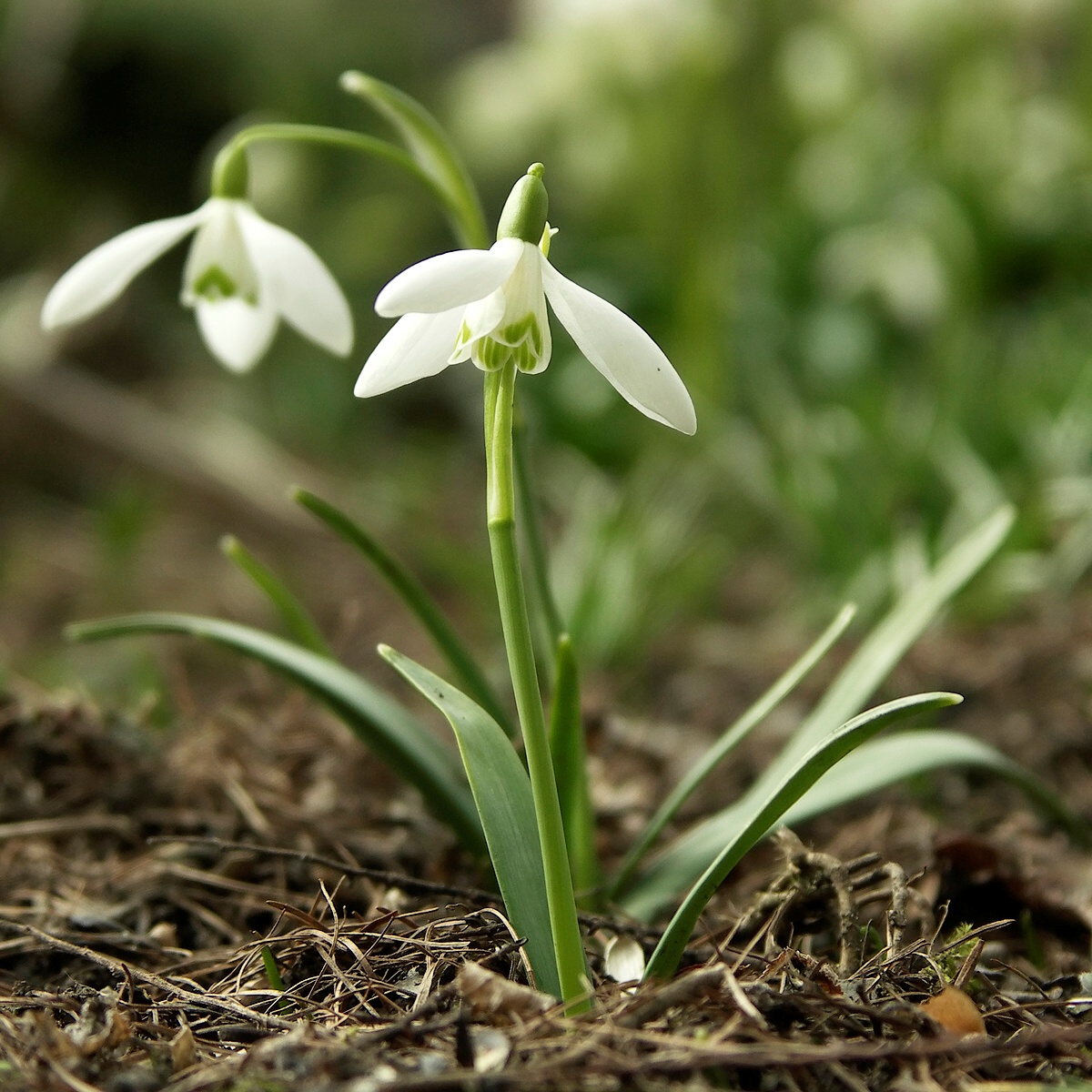 SnowdropGalanthus
White bell-shaped flowers that bloom at the end of winter
🇹🇷 Turkey and 7 more · Wildflower
SnowdropGalanthus
White bell-shaped flowers that bloom at the end of winter
🇹🇷 Turkey and 7 more · Wildflower
More from South Africa
All the flowers of South Africa Eucalyptus
The tall, aromatic trees and shrubs known as gum trees or eucalypts
🇦🇺 Australia and 7 more · Flowering tree
Eucalyptus
The tall, aromatic trees and shrubs known as gum trees or eucalypts
🇦🇺 Australia and 7 more · Flowering tree
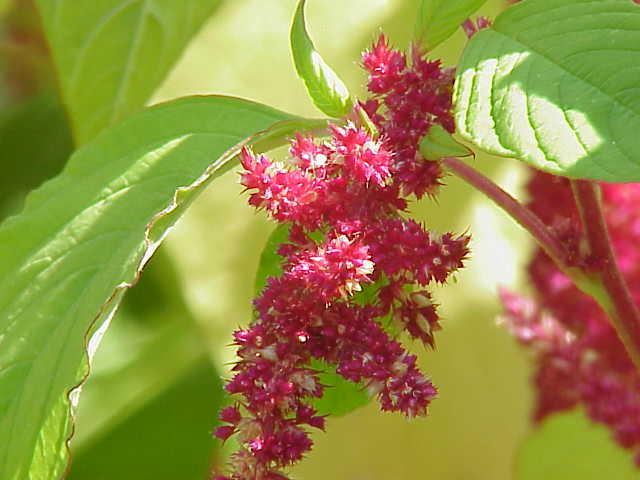 AmaranthAmaranthus
A tall, colourful plant grown for its flowers, leaves and edible seeds
🇲🇽 Mexico and 7 more · Wildflower
AmaranthAmaranthus
A tall, colourful plant grown for its flowers, leaves and edible seeds
🇲🇽 Mexico and 7 more · Wildflower
 Acacia
Shrubs and trees with golden or cream puffball flowers, native mostly to Australia
🇦🇺 Australia and 6 more · Wildflower
Acacia
Shrubs and trees with golden or cream puffball flowers, native mostly to Australia
🇦🇺 Australia and 6 more · Wildflower
 Sensitive PlantMimosa pudica
A touch-sensitive plant whose leaves fold up when disturbed
🇧🇷 Brazil and 8 more · Wildflower
Sensitive PlantMimosa pudica
A touch-sensitive plant whose leaves fold up when disturbed
🇧🇷 Brazil and 8 more · Wildflower