
Bassia scoparia
A bushy annual with red autumn leaves, used for brooms and as a food garnish
Bassia scoparia is a bushy annual plant native to parts of Eurasia, now found in many regions worldwide. Its foliage turns red in autumn, and it is grown for gardens, erosion control, and its seeds, which are eaten in Japan. The plant is also used to make brooms and has a role in traditional medicine.
- Its leaves turn bright red in autumn
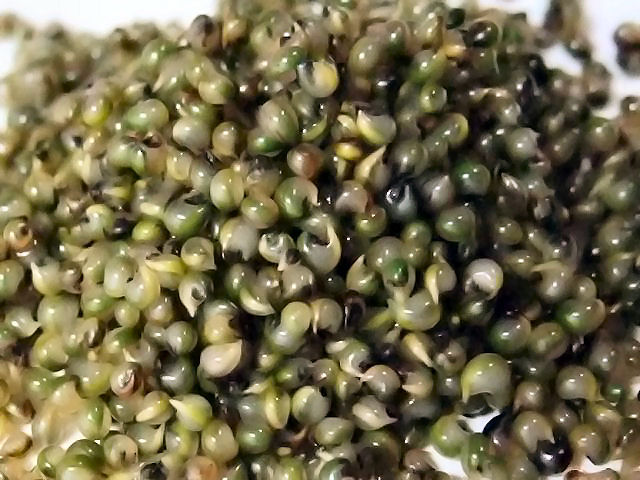
- Seeds are eaten as 'tonburi' in Japan
- Traditionally used to make brooms in Japan, Bulgaria, and Serbia
- Can be toxic to livestock if eaten in large amounts
- Grown for erosion control and as an ornamental plant
What does Bassia scoparia look like?
Bassia scoparia grows as a large, bushy annual herb. Its leaves are slender and green through most of the year, turning a striking red when autumn arrives. The plant produces small, dull brown fruits, each containing a dark seed. In the landscape, it forms dense, rounded clumps. The plant is sometimes called burningbush or summer cypress due to its shape and autumn color.
Where does Bassia scoparia come from?
This species is native to a wide area stretching from Central Europe across Asia, including regions of China such as Xinjiang, Tibet, and Guangdong. It was first described by Carl Linnaeus in 1753 and has since been reclassified several times. Today, it grows wild in many parts of the world and is considered both useful and invasive, depending on the region.
When and how Bassia scoparia blooms
Bassia scoparia completes its life cycle in a single year. It grows best in open, sunny places and can thrive in poor soils, which makes it useful for stabilizing bare ground. The plant is often started from seed. In autumn, the whole plant may break off at ground level and roll with the wind, helping it spread.


How Bassia scoparia is used
People grow Bassia scoparia for its colorful autumn foliage, as a garden plant, and for controlling soil erosion. In Japan, its seeds are prepared as a delicacy called tonburi, especially in Akita. The branches are tied together to make brooms in Japan, Bulgaria, and Serbia. The seeds are also used in traditional Chinese medicine. Livestock may graze on it, but it can be harmful in large amounts.
Kinds of Bassia scoparia
The plant is known by many names in different places, such as kochia and burningbush. In Japan, it is called hahaki-gi or hōki-gusa, reflecting its use in broom-making. The seeds used for tonburi are a local specialty in Akita. There are no widely recognized horticultural varieties mentioned in the sources.
What Bassia scoparia means
In Japanese legend, Bassia scoparia was said to vanish when approached, and it appears in waka poetry. Its seeds are valued as a delicacy in Japan, and the plant is a symbol of broom-making in several countries. While useful, it is also seen as a weed in places where it spreads quickly.
Where to see Bassia scoparia

Questions people ask about Bassia scoparia
Where does Bassia scoparia come from?
Bassia scoparia is native to a region stretching from Central Europe to Asia, including several parts of China. It now grows in many other parts of the world as well.
What is Bassia scoparia used for?
It is grown for its red autumn foliage in gardens, used for making brooms, and its seeds are eaten as a delicacy in Japan. The plant is also used in traditional medicine and for erosion control.
Is Bassia scoparia edible?
The seeds are edible and are prepared as tonburi, a garnish and delicacy in Japan. However, the plant can be toxic to livestock if consumed in large amounts.
What does Bassia scoparia look like?
It is a bushy annual herb with slender green leaves that turn red in autumn. The plant forms rounded clumps and produces small, dark seeds.
Does Bassia scoparia have any cultural meaning?
In Japan, it is linked to broom-making and appears in legends and poetry. Its seeds are a local delicacy in Akita, and the plant is recognized for its traditional uses in several countries.
Good reading and sources
- Encyclopaedia BritannicaArticle
- Bassia scopariaUS Department of Agriculture, Article
- Bassia scopariaRoyal Horticultural Society, Article
- Plants of the World OnlineRoyal Botanic Gardens, Kew, Plant database
- Where it has been recordedGBIF, Plant database
- Sightings and photos by naturalistsiNaturalist, Plant database
- Bassia scoparia on WikipediaEncyclopedia
- More photos on Wikimedia CommonsPhotos
- Wikidata recordOpen data
The facts on this page come from the Wikipedia article "Bassia scoparia", written by its contributors and used under the CC BY-SA 4.0 licence, and from its Wikidata record (CC0). Phool rewrote the text in its own words, with AI assistance, and compares every page with the article to make sure no passage is copied. It may be reused under the same CC BY-SA 4.0 licence with a link back.
It may contain mistakes. It is not medical or foraging advice: many flowers are poisonous, and traditional uses are reported, not recommended. If something is wrong, tell us. Last refreshed 2026-10-03.
Others in the family Amaranthaceae
The whole family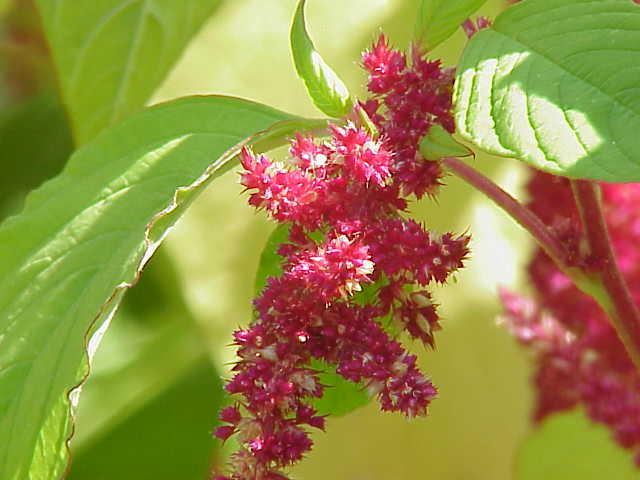 AmaranthAmaranthus
A tall, colourful plant grown for its flowers, leaves and edible seeds
🇲🇽 Mexico and 7 more · Wildflower
AmaranthAmaranthus
A tall, colourful plant grown for its flowers, leaves and edible seeds
🇲🇽 Mexico and 7 more · Wildflower
 Celosia
Flame-like flowers grown for food and garden colour
🇳🇬 Nigeria and 5 more · Garden flower
Celosia
Flame-like flowers grown for food and garden colour
🇳🇬 Nigeria and 5 more · Garden flower
 Love-lies-bleedingAmaranthus caudatus
Tall Andean plant with long, drooping red or white flower clusters
🇵🇪 Peru and 8 more · Wildflower
Love-lies-bleedingAmaranthus caudatus
Tall Andean plant with long, drooping red or white flower clusters
🇵🇪 Peru and 8 more · Wildflower
 Globe amaranthGomphrena globosa
A round-flowered annual grown for its lasting, colorful blooms
🇬🇹 Guatemala and 4 more · Wildflower
Globe amaranthGomphrena globosa
A round-flowered annual grown for its lasting, colorful blooms
🇬🇹 Guatemala and 4 more · Wildflower
More from China
All the flowers of China PeachPrunus persica
A flowering fruit tree from China, grown for its pink blossoms and sweet fruit
🇨🇳 China and 7 more · Flowering tree
PeachPrunus persica
A flowering fruit tree from China, grown for its pink blossoms and sweet fruit
🇨🇳 China and 7 more · Flowering tree
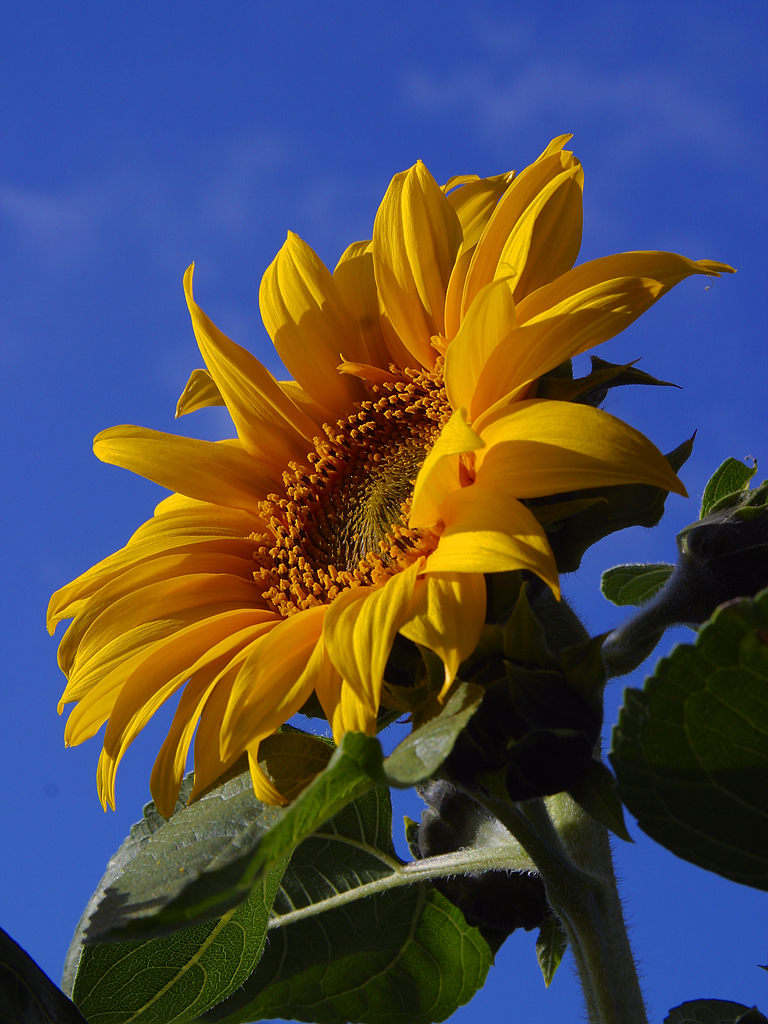 Common sunflowerHelianthus annuus
A tall annual plant grown for its large yellow flower heads and edible seeds
🇨🇦 Canada and 4 more · Wildflower
Common sunflowerHelianthus annuus
A tall annual plant grown for its large yellow flower heads and edible seeds
🇨🇦 Canada and 4 more · Wildflower
 PomegranatePunica granatum
A shrub with bright red flowers and a fruit full of edible seeds
🇮🇷 Iran and 9 more · Flowering shrub
PomegranatePunica granatum
A shrub with bright red flowers and a fruit full of edible seeds
🇮🇷 Iran and 9 more · Flowering shrub
 BirchBetula
Slender trees with papery bark found across the northern world
🇨🇳 China and 7 more · Wildflower
BirchBetula
Slender trees with papery bark found across the northern world
🇨🇳 China and 7 more · Wildflower