
Adey abeba
Bidens macroptera, family Asteraceae
In its own language: አደይ አበባ
The yellow eight-petalled flower of Ethiopia’s New Year
Adey abeba (Bidens macroptera) is a small yellow flower native to Ethiopia. It blooms at the end of the rainy season, marking the Ethiopian New Year, and is given as a symbol of luck and blessing during local celebrations.
- Blooms only for two months at the end of the rainy season
- Has eight yellow petals and is small in size
- Given as a symbol of luck and blessing during Enkutatash
What does Adey abeba look like?
Adey abeba is a small wildflower with eight yellow petals. The flowers are modest in size and appear at the end of the rainy season in Ethiopia. Their bright yellow colour stands out against the green landscape as the seasons change. The plant is best known for its blooms, which are used in local customs and celebrations.
Where does Adey abeba come from?
Bidens macroptera grows wild in Ethiopia and is not known from other regions. The flower is closely tied to Ethiopian culture and is called adey abeba in Amharic. Its appearance signals the end of the rains and the coming of spring and a new year. The plant’s name and use are rooted in local tradition.
When and how Adey abeba blooms
Adey abeba blooms naturally as the rainy season ends, usually beginning in August. The flowers last for about two months. They grow in the wild and can also be found in gardens. People gather the flowers fresh from the fields to use in celebrations, especially for the New Year.
How Adey abeba is used
During Enkutatash, the Ethiopian New Year, young girls gather adey abeba and sing the traditional song Abebayehosh as they present the flowers to parents and loved ones. The act is seen as wishing luck and blessing for the year ahead. The flower is not only a gift but also a seasonal emblem.
What Adey abeba means
Adey abeba is a symbol of the Ethiopian New Year and the start of spring. Its blooming marks the end of the rainy season and the beginning of a new cycle. The flower is deeply woven into Ethiopian tradition, especially through songs and the custom of gifting it during Enkutatash.
Where to see Adey abeba

Days and festivals
Questions people ask about Adey abeba
Where does adey abeba come from?
Adey abeba (Bidens macroptera) is native to Ethiopia and grows wild there, especially at the end of the rainy season.
What does adey abeba symbolise?
In Ethiopia, adey abeba symbolises the end of the rainy season, the start of spring, and the beginning of the new year. It is seen as a sign of luck and blessing.
When does adey abeba bloom?
Adey abeba blooms in August and lasts for about two months, marking the transition from the rainy season to spring in Ethiopia.
How is adey abeba used during Enkutatash?
During Enkutatash, groups of young girls sing traditional songs and give adey abeba flowers to their parents and loved ones as a gesture of good wishes for the new year.
Good reading and sources
- Plants of the World OnlineRoyal Botanic Gardens, Kew, Plant database
- Where it has been recordedGBIF, Plant database
- Sightings and photos by naturalistsiNaturalist, Plant database
The facts on this page come from the Wikipedia article "Bidens macroptera", written by its contributors and used under the CC BY-SA 4.0 licence, and from its Wikidata record (CC0). Phool rewrote the text in its own words, with AI assistance, and compares every page with the article to make sure no passage is copied. It may be reused under the same CC BY-SA 4.0 licence with a link back.
It may contain mistakes. It is not medical or foraging advice: many flowers are poisonous, and traditional uses are reported, not recommended. If something is wrong, tell us. Last refreshed 2026-10-03.
Others in the family Asteraceae
The whole family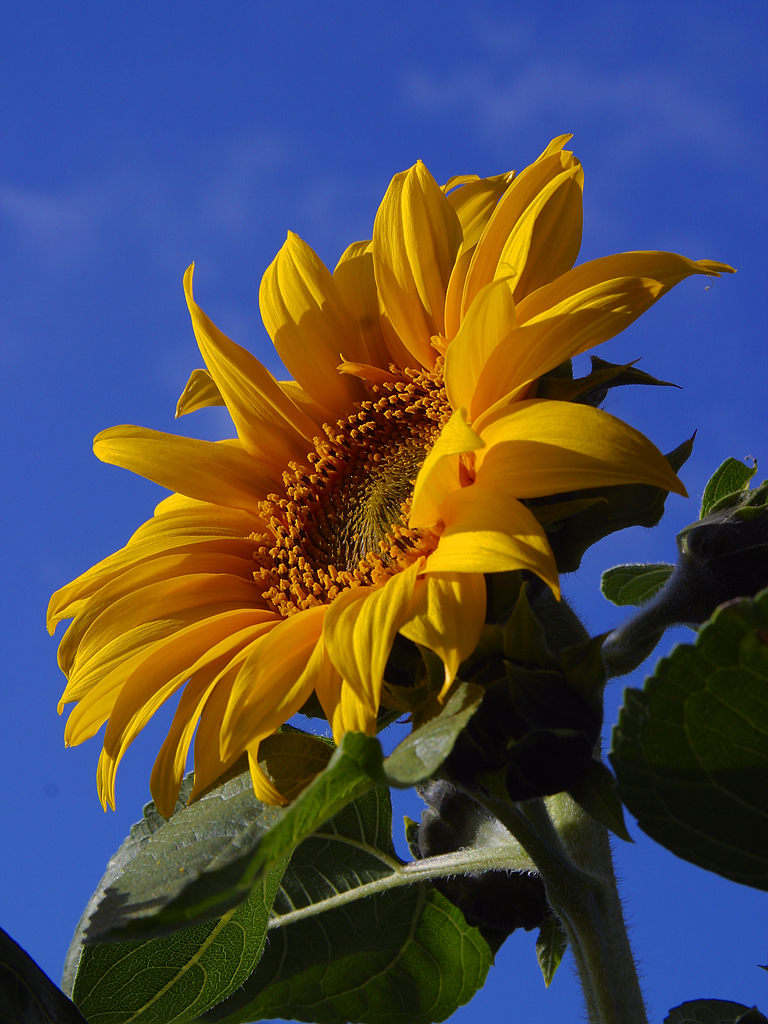 Common sunflowerHelianthus annuus
A tall annual plant grown for its large yellow flower heads and edible seeds
🇨🇦 Canada and 4 more · Wildflower
Common sunflowerHelianthus annuus
A tall annual plant grown for its large yellow flower heads and edible seeds
🇨🇦 Canada and 4 more · Wildflower
 Chrysanthemum菊花
Autumn-blooming flower with thousands of varieties, cherished in East Asia and beyond
🇨🇳 China and 6 more · Wildflower
Chrysanthemum菊花
Autumn-blooming flower with thousands of varieties, cherished in East Asia and beyond
🇨🇳 China and 6 more · Wildflower
 Asteraceae
The vast family of daisies, asters, and sunflowers with star-like flower heads
Asteraceae · Wildflower
Asteraceae
The vast family of daisies, asters, and sunflowers with star-like flower heads
Asteraceae · Wildflower
 DandelionTaraxacum
A yellow-flowered perennial found in fields, lawns, and gardens worldwide
Taraxacum · Wildflower
DandelionTaraxacum
A yellow-flowered perennial found in fields, lawns, and gardens worldwide
Taraxacum · Wildflower
More from Ethiopia
All the flowers of Ethiopia Thorn-appleDatura stramonium
A poisonous, night-blooming plant with trumpet-shaped white or violet flowers
🇨🇳 China and 7 more · Wildflower
Thorn-appleDatura stramonium
A poisonous, night-blooming plant with trumpet-shaped white or violet flowers
🇨🇳 China and 7 more · Wildflower
 Primula
A large genus of spring-blooming wild and garden flowers from cool and mountain regions
🇨🇳 China and 5 more · Wildflower
Primula
A large genus of spring-blooming wild and garden flowers from cool and mountain regions
🇨🇳 China and 5 more · Wildflower
 Pelargonium
A diverse group of flowering plants often grown as garden and house plants
🇿🇦 South Africa and 7 more · Garden flower
Pelargonium
A diverse group of flowering plants often grown as garden and house plants
🇿🇦 South Africa and 7 more · Garden flower
 Arabian coffeeCoffea arabica
The white-flowered shrub whose beans make most of the world’s coffee
🇪🇹 Ethiopia and 4 more · Wildflower
Arabian coffeeCoffea arabica
The white-flowered shrub whose beans make most of the world’s coffee
🇪🇹 Ethiopia and 4 more · Wildflower