
Yellow oleander
Cascabela thevetia, family Apocynaceae
A tropical shrub with funnel-shaped yellow flowers and toxic seeds
Yellow oleander is an evergreen shrub or small tree from Mexico and Central America, now grown in gardens and parks across many warm regions. It has glossy, narrow leaves and bright yellow, funnel-shaped flowers that bloom from summer to fall. All parts of the plant are poisonous, but the flowers are used in Hindu worship in India.
- All parts of yellow oleander are poisonous to most animals and people
- Bright yellow, funnel-shaped flowers bloom from summer to autumn
- Used in Hindu worship practices in India
- Tolerates drought and high temperatures
- Sometimes called 'Napoleon's hat' in Brazil
What does Yellow oleander look like?
Yellow oleander is a tropical evergreen shrub or small tree. Its leaves are long, narrow, and glossy green, shaped a bit like those of a willow. The plant produces clusters of funnel-shaped flowers, mostly bright yellow but sometimes apricot or white. Flowers bloom at the ends of branches from summer to autumn. The fruit is deep red-black, containing a large seed. All parts of the plant are poisonous.
Where does Yellow oleander come from?
Native to Mexico and Central America, yellow oleander has spread widely as a garden plant in warm climates. It is cultivated in many countries, including India, Brazil, and Sri Lanka, and has become naturalized in semi-arid regions. The name 'Cascabela' comes from Spanish words for a small bell or rattlesnake, hinting at its toxicity. The scientific name honors André de Thevet, a French explorer.
When and how Yellow oleander blooms
Yellow oleander flowers from summer into autumn. It grows well in hot, dry climates and tolerates drought and a range of soils. In places with frost, it is often grown in containers and brought indoors for winter. The plant is usually grown from seed or cuttings. Its waxy leaves help it conserve water.


How Yellow oleander is used
The bright yellow flowers are used in Hindu worship in India. The plant is grown as an ornamental shrub or small tree in gardens and parks. Its seeds and extracts have been tested for pest control uses. All parts of the plant are highly toxic, and cases of poisoning are reported in areas where it grows.
Kinds of Yellow oleander
Besides the common yellow form, flowers can sometimes be apricot or white. In Brazil, it is called 'chapéu-de-napoleão.' In Sri Lanka and South India, local names include Kaneru and Manjal arali. Some birds can eat the seeds without harm, but most animals and people are affected by the toxins.
What Yellow oleander means
Yellow oleander is used in Hindu religious practices in India. In some regions, the plant is associated with poisoning, including its use in suicides in South India and Sri Lanka. Its toxicity is compared to that of a rattlesnake in the plant's Spanish-derived name. The plant is also grown for its ornamental value.
Questions people ask about Yellow oleander
Where does yellow oleander come from?
Yellow oleander is native to Mexico and Central America. It is now widely grown in warm regions around the world, including India, Brazil, and Sri Lanka.
What does yellow oleander look like?
It is an evergreen shrub or small tree with long, narrow, glossy green leaves and clusters of funnel-shaped flowers, usually bright yellow but sometimes apricot or white. The fruit is deep red-black and contains a large seed.
Is yellow oleander poisonous?
Yes, all parts of the yellow oleander plant are highly toxic to most animals and people. The plant contains cardiac glycosides, which can cause serious health problems if ingested.
How is yellow oleander used?
Its flowers are used in Hindu worship in India. The plant is also grown as an ornamental shrub or tree in gardens and parks. Its seeds and extracts have been tested for pest control.
What does yellow oleander symbolize or mean?
In India, yellow oleander flowers are used in religious offerings by Hindu devotees. The plant's name and reputation are also linked to its strong toxicity.
Good reading and sources
- IUCN Red List of Threatened SpeciesIUCN Red List, Article
- USDA Plants DatabaseUS Department of Agriculture, Article
- Plants of the World OnlineRoyal Botanic Gardens, Kew, Plant database
- Where it has been recordedGBIF, Plant database
- Sightings and photos by naturalistsiNaturalist, Plant database
- Cascabela thevetia on WikipediaEncyclopedia
- More photos on Wikimedia CommonsPhotos
- Wikidata recordOpen data
The facts on this page come from the Wikipedia article "Cascabela thevetia", written by its contributors and used under the CC BY-SA 4.0 licence, and from its Wikidata record (CC0). Phool rewrote the text in its own words, with AI assistance, and compares every page with the article to make sure no passage is copied. It may be reused under the same CC BY-SA 4.0 licence with a link back.
It may contain mistakes. It is not medical or foraging advice: many flowers are poisonous, and traditional uses are reported, not recommended. If something is wrong, tell us. Last refreshed 2026-10-03.
Others in the family Apocynaceae
The whole family OleanderNerium oleander
A showy, evergreen shrub with clusters of pink, white or red flowers
🇲🇦 Morocco and 8 more · Flowering shrub
OleanderNerium oleander
A showy, evergreen shrub with clusters of pink, white or red flowers
🇲🇦 Morocco and 8 more · Flowering shrub
 Plumeria
Fragrant tropical tree with waxy, five-petaled flowers in many colours
🇲🇽 Mexico and 6 more · Flowering tree
Plumeria
Fragrant tropical tree with waxy, five-petaled flowers in many colours
🇲🇽 Mexico and 6 more · Flowering tree
 Mandevilla
A tropical vine with large trumpet-shaped blooms in vivid colours
🇧🇷 Brazil and 2 more · Climber
Mandevilla
A tropical vine with large trumpet-shaped blooms in vivid colours
🇧🇷 Brazil and 2 more · Climber
 Pinwheel flowerTabernaemontana divaricata
A fragrant white-flowered shrub native to South and Southeast Asia
🇲🇲 Myanmar and 2 more · Flowering shrub
Pinwheel flowerTabernaemontana divaricata
A fragrant white-flowered shrub native to South and Southeast Asia
🇲🇲 Myanmar and 2 more · Flowering shrub
More from Mexico
All the flowers of Mexico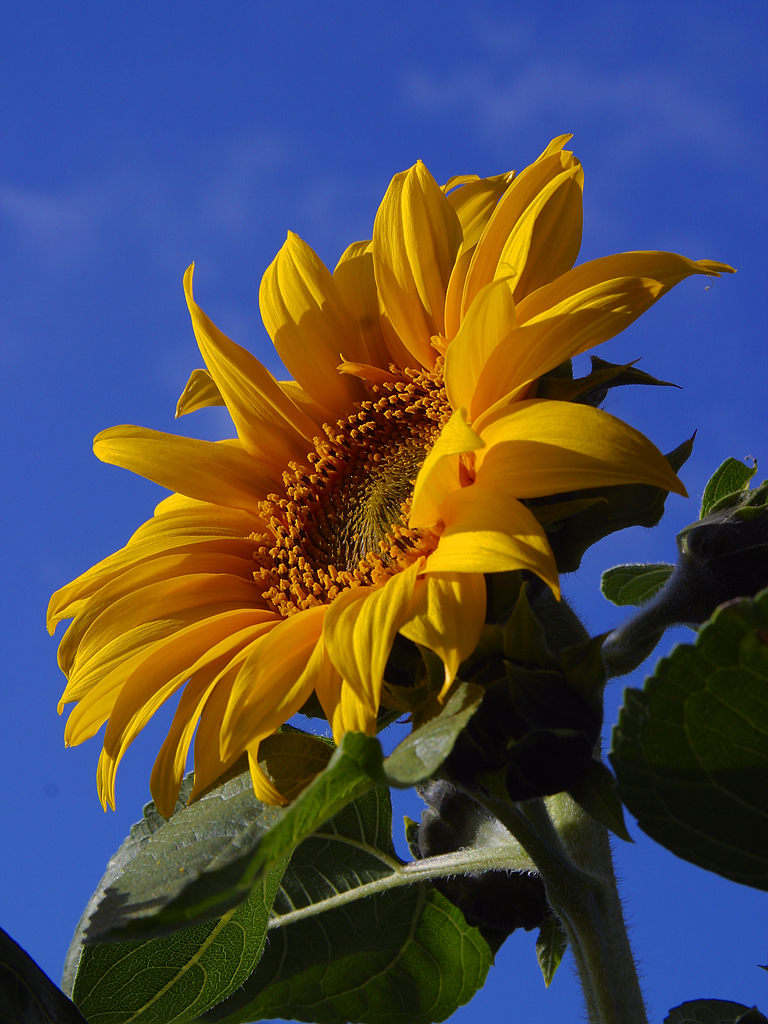 Common sunflowerHelianthus annuus
A tall annual plant grown for its large yellow flower heads and edible seeds
🇨🇦 Canada and 4 more · Wildflower
Common sunflowerHelianthus annuus
A tall annual plant grown for its large yellow flower heads and edible seeds
🇨🇦 Canada and 4 more · Wildflower
 CactusCactaceae
Succulent plants with spines, native to the Americas
🇲🇽 Mexico and 7 more · Wildflower
CactusCactaceae
Succulent plants with spines, native to the Americas
🇲🇽 Mexico and 7 more · Wildflower
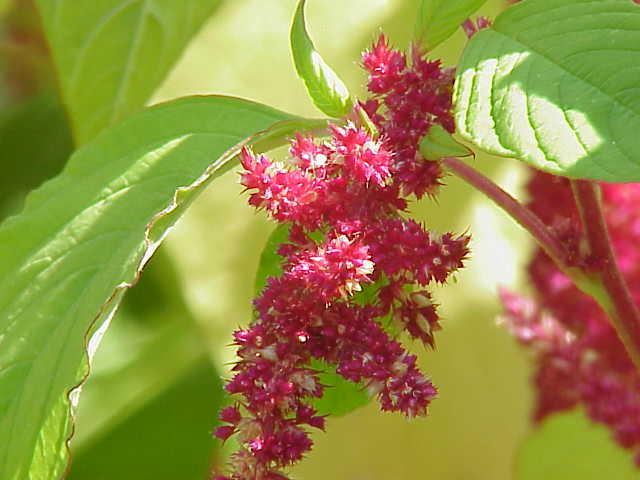 AmaranthAmaranthus
A tall, colourful plant grown for its flowers, leaves and edible seeds
🇲🇽 Mexico and 7 more · Wildflower
AmaranthAmaranthus
A tall, colourful plant grown for its flowers, leaves and edible seeds
🇲🇽 Mexico and 7 more · Wildflower
 HawthornCrataegus
A thorny shrub or tree with white or pink spring flowers and small edible fruits
🇮🇪 Ireland and 7 more · Wildflower
HawthornCrataegus
A thorny shrub or tree with white or pink spring flowers and small edible fruits
🇮🇪 Ireland and 7 more · Wildflower