
Chiranthodendron
Chiranthodendron pentadactylon, family Malvaceae
A tree with red flowers shaped like open human hands
Chiranthodendron pentadactylon is a tall tree native to southern Mexico and Guatemala, known for its striking red flowers that look like clawed hands. The tree is grown in gardens for its unusual blooms and has traditional uses among Mayan and Central American communities.
- Flowers look like bright red open hands
- Native to southern Mexico and Guatemala
- Used in traditional Mayan remedies
- Can grow up to 27.5 meters tall
- Hybridizes with Fremontodendron to make yellow-flowered forms
What does Chiranthodendron look like?
Chiranthodendron pentadactylon is a large tree, reaching up to 27.5 meters tall. Its leaves are broad with shallow lobes and a brown fuzz underneath. The most striking feature is its flower: five long, bright red stamens curve upward from each bloom, giving the look of an open, clawed hand. The fruit is an oblong, five-lobed capsule with black seeds inside.
Where does Chiranthodendron come from?
This tree grows wild on the wet slopes of southern Mexico and Guatemala. It was first described from a cultivated specimen in Toluca, outside its natural range. The tree is closely related to Fremontodendron, and can even hybridize with it. The Mayans held the tree in high regard, and its unusual flowers have led to its spread in gardens, especially in North America.
When and how Chiranthodendron blooms
The tree flowers in late spring and early summer. It thrives in moist, mountainous areas and is often grown in gardens near its native region. Flowers appear at the ends of branches, each with five prominent red stamens. The tree is usually propagated from seed.


How Chiranthodendron is used
Communities in Central America and southern Mexico use the flowers in traditional remedies. The blooms are steeped in hot water to make tea, used for abdominal pain, heart issues, and as a diuretic. Sometimes, the flower solution is applied externally as a wash. The tree is also planted for its decorative value.
Kinds of Chiranthodendron
Chiranthodendron is a genus with only one species, but it can hybridize with Fremontodendron to produce ×Chiranthofremontia lenzii, which has yellow flowers and a less pronounced 'hand' shape.
What Chiranthodendron means
The tree is known by many names in Spanish, Mayan, and Nahuatl, all referring to its hand-like flowers. The Mayans revered it, and it remains notable for its unique appearance and traditional medicinal use. Its scientific name means 'five-fingered hand-flower tree.'
Questions people ask about Chiranthodendron
Where does Chiranthodendron come from?
Chiranthodendron pentadactylon is native to the wet slopes of southern Mexico and Guatemala, though it is also grown in gardens in other regions.
Why is it called the hand-flower or devil's hand tree?
Its five long, curved red stamens make each flower look like an open, clawed human hand, which inspired its common names in English, Spanish, and indigenous languages.
How is Chiranthodendron used by people?
The flowers are used in traditional medicine by Mayan and Central American communities, often made into a tea for abdominal pain, heart issues, and as a diuretic, and sometimes used as an external wash.
What does the tree look like?
It is a tall tree with large, shallowly lobed leaves and unusual red flowers that resemble open hands. The fruit is a five-lobed capsule containing black seeds.
Is Chiranthodendron grown outside its native range?
Yes, it is cultivated in gardens around the world, especially in North America, because of its unique and striking flowers.
Good reading and sources
- USDA Plants DatabaseUS Department of Agriculture, Article
- IUCN Red List of Threatened SpeciesIUCN Red List, Article
- Plants of the World OnlineRoyal Botanic Gardens, Kew, Plant database
- Where it has been recordedGBIF, Plant database
- Sightings and photos by naturalistsiNaturalist, Plant database
- Chiranthodendron on WikipediaEncyclopedia
- More photos on Wikimedia CommonsPhotos
- Wikidata recordOpen data
The facts on this page come from the Wikipedia article "Chiranthodendron", written by its contributors and used under the CC BY-SA 4.0 licence, and from its Wikidata record (CC0). Phool rewrote the text in its own words, with AI assistance, and compares every page with the article to make sure no passage is copied. It may be reused under the same CC BY-SA 4.0 licence with a link back.
It may contain mistakes. It is not medical or foraging advice: many flowers are poisonous, and traditional uses are reported, not recommended. If something is wrong, tell us. Last refreshed 2026-10-03.
Others in the family Malvaceae
The whole family LindenTilia
Tall, broad-leaved trees with fragrant yellow flowers and heart-shaped leaves
🇨🇳 China and 7 more · Flowering tree
LindenTilia
Tall, broad-leaved trees with fragrant yellow flowers and heart-shaped leaves
🇨🇳 China and 7 more · Flowering tree
 Hibiscus
A tropical genus with large, colourful trumpet-shaped flowers
🇮🇳 India and 7 more · Wildflower
Hibiscus
A tropical genus with large, colourful trumpet-shaped flowers
🇮🇳 India and 7 more · Wildflower
 MallowMalva
Edible and ornamental flowering plants with pink, purple or white blooms
🇮🇳 India and 6 more · Wildflower
MallowMalva
Edible and ornamental flowering plants with pink, purple or white blooms
🇮🇳 India and 6 more · Wildflower
 Small-leaved LimeTilia cordata
A tall, fragrant-flowered tree native to much of Europe
🇨🇿 Czech Republic and 6 more · Flowering tree
Small-leaved LimeTilia cordata
A tall, fragrant-flowered tree native to much of Europe
🇨🇿 Czech Republic and 6 more · Flowering tree
More from Mexico
All the flowers of Mexico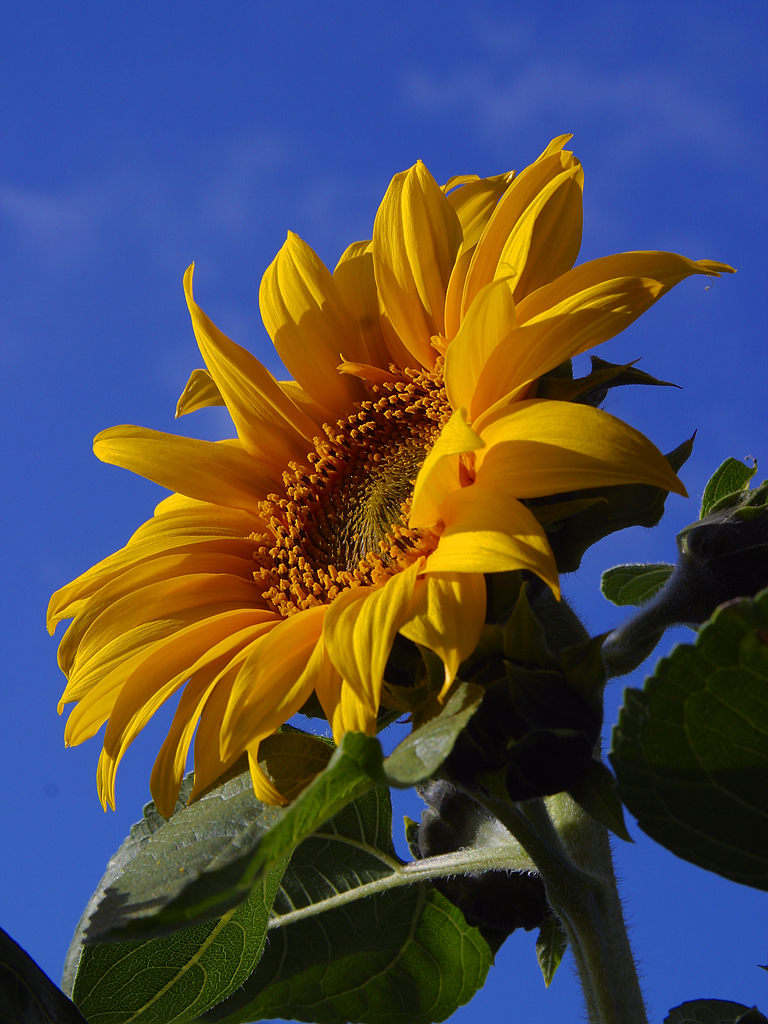 Common sunflowerHelianthus annuus
A tall annual plant grown for its large yellow flower heads and edible seeds
🇨🇦 Canada and 4 more · Wildflower
Common sunflowerHelianthus annuus
A tall annual plant grown for its large yellow flower heads and edible seeds
🇨🇦 Canada and 4 more · Wildflower
 CactusCactaceae
Succulent plants with spines, native to the Americas
🇲🇽 Mexico and 7 more · Wildflower
CactusCactaceae
Succulent plants with spines, native to the Americas
🇲🇽 Mexico and 7 more · Wildflower
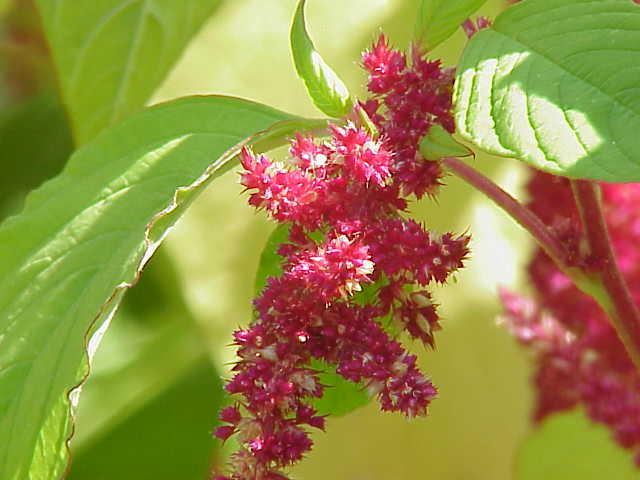 AmaranthAmaranthus
A tall, colourful plant grown for its flowers, leaves and edible seeds
🇲🇽 Mexico and 7 more · Wildflower
AmaranthAmaranthus
A tall, colourful plant grown for its flowers, leaves and edible seeds
🇲🇽 Mexico and 7 more · Wildflower
 HawthornCrataegus
A thorny shrub or tree with white or pink spring flowers and small edible fruits
🇮🇪 Ireland and 7 more · Wildflower
HawthornCrataegus
A thorny shrub or tree with white or pink spring flowers and small edible fruits
🇮🇪 Ireland and 7 more · Wildflower