
Clivia
Shade-loving southern African perennials with vibrant clusters of warm-toned blooms
Clivia is an evergreen forest plant native to South Africa and Eswatini, known for broad strap leaves and umbels of yellow, orange, or red flowers. Lacking true bulbs, it spreads through thick rhizomes and is widely cultivated worldwide as a potted ornamental for sheltered spaces.
- Native exclusively to shaded forest undergrowth in South Africa and Eswatini.
- Unlike many related amaryllids, clivias grow from fleshy rhizomes rather than bulbs.
- Named in 1828 in honour of Charlotte Percy, Duchess of Northumberland.
- Produces fleshy berry fruits containing large seeds over one centimetre wide.
What does Clivia look like?
Clivias are evergreen perennial plants with dark green, arching foliage shaped like wide straps. Unlike typical members of their plant family, they produce no subterranean bulbs, instead growing from sturdy rhizomes and thick fleshy roots. Above the leaves, sturdy flower stems hold dense, rounded clusters of blossoms. Each individual flower has six tepals joined into a tube at the bottom, creating a bell or trumpet shape ranging from an open goblet to a slender dangling cylinder. Bloom shades encompass vibrant yellows, rich oranges, and deep brick reds. Following flowering, the plant produces rounded berry fruits containing unusually large fleshy seeds that often exceed one centimetre across.
Where does Clivia come from?
These plants are native strictly to southern Africa, where wild populations grow in Eswatini and South Africa. They primarily inhabit the shaded forest floor, shielded beneath tree canopies from harsh sunlight, though one species survives in the open climate of the Western Cape. Botanist John Lindley first described the genus scientifically in 1828. He established Clivia nobilis as the initial type species and chose the genus name to honour Lady Charlotte Percy, Duchess of Northumberland, who served as governess to the young future Queen Victoria.
When and how Clivia blooms
Cultivated plants thrive in shaded conditions and well-draining soil, such as coarse coconut fibre or general potting blends. Growth peaks during the warm summer months, when they appreciate steady moisture without being waterlogged. In cooler seasons, plants need a dry, cool rest period around eight to ten degrees Celsius to set future buds. New specimens can be started from seed sown on moist compost under high humidity, or propagated by dividing offsets when repotting. Seedlings develop slowly, taking four to eight years to produce their initial flower heads.


How Clivia is used
People primarily grow clivias as long-lived indoor pot plants and shaded garden ornamentals. Their ability to flourish in dim interiors and tolerate infrequent watering makes them popular houseplants across the globe. Plant breeders continually select forms for novel petal tones, compact habits, and striking striped foliage. Because the foliage and roots contain small amounts of the toxic compound lycorine, clivias must be kept away from grazing domestic pets and young children who might accidentally ingest plant parts.
Kinds of Clivia
The genus contains six recognized species. Clivia miniata is the most common in cultivation, celebrated for its broad open flowers and yellow or orange cultivars. Crossing different lines of pure-breeding yellow plants can result in orange-stemmed seedlings. Clivia caulescens and Clivia nobilis display hanging tubular blooms in winter and spring, while Clivia gardenii and the large Clivia robusta bloom in autumn. Clivia mirabilis, identified in 2000, stands apart by growing in arid Western Cape habitats.
Questions people ask about Clivia
Where do clivia plants originate?
Wild clivias grow only in southern Africa, specifically within the shaded forest floors of South Africa and Eswatini, with a single arid-adapted species found in the Western Cape.
What are clivias used for?
They are cultivated worldwide as ornamental garden plants and indoor houseplants, prized for their evergreen strap leaves, shade tolerance, and clusters of warm yellow, orange, or red flowers.
Are clivia plants poisonous?
Yes. Clivia species contain small quantities of the alkaloid lycorine, which is toxic if consumed in sufficient amounts, posing a health hazard to pets and small children.
How long does a clivia seedling take to bloom?
Depending on the species, seedlings take between four and eight years to flower. Clivia miniata usually blooms within four to five years, whereas Clivia nobilis requires up to eight.
Good reading and sources
- USDA Plants DatabaseUS Department of Agriculture, Article
- Plants of the World OnlineRoyal Botanic Gardens, Kew, Plant database
- Where it has been recordedGBIF, Plant database
- Sightings and photos by naturalistsiNaturalist, Plant database
The facts on this page come from the Wikipedia article "Clivia", written by its contributors and used under the CC BY-SA 4.0 licence, and from its Wikidata record (CC0). EveryPhool rewrote the text in its own words, with AI assistance, and compares every page with the article to make sure no passage is copied. It may be reused under the same CC BY-SA 4.0 licence with a link back.
It may contain mistakes. It is not medical or foraging advice: many flowers are poisonous, and traditional uses are reported, not recommended. If something is wrong, tell us. Last refreshed 2026-10-04.
Others in the family Amaryllidaceae
The whole family Narcissus
Spring-flowering bulbs with trumpet-shaped blooms in white, yellow, and orange
🇬🇧 United Kingdom and 7 more · Wildflower
Narcissus
Spring-flowering bulbs with trumpet-shaped blooms in white, yellow, and orange
🇬🇧 United Kingdom and 7 more · Wildflower
 Allium
The genus of onions, garlic, leeks, chives and their wild relatives
Allium · Wildflower
Allium
The genus of onions, garlic, leeks, chives and their wild relatives
Allium · Wildflower
 Wild GarlicAllium ursinum
A wild woodland plant with star-shaped white flowers and edible leaves
🇮🇪 Ireland · Wildflower
Wild GarlicAllium ursinum
A wild woodland plant with star-shaped white flowers and edible leaves
🇮🇪 Ireland · Wildflower
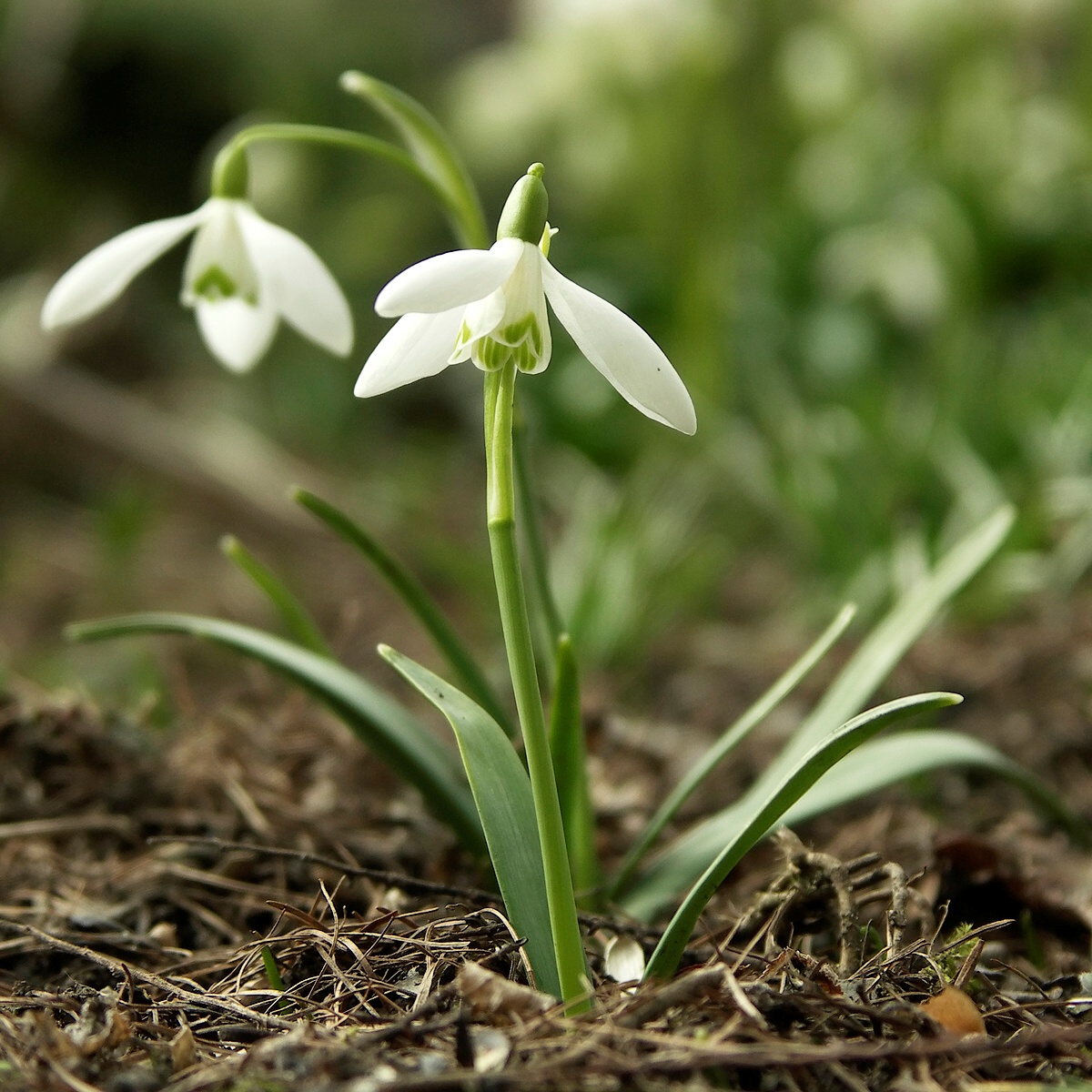 SnowdropGalanthus
White bell-shaped flowers that bloom at the end of winter
🇹🇷 Turkey and 7 more · Wildflower
SnowdropGalanthus
White bell-shaped flowers that bloom at the end of winter
🇹🇷 Turkey and 7 more · Wildflower
More from South Africa
All the flowers of South Africa Eucalyptus
The tall, aromatic trees and shrubs known as gum trees or eucalypts
🇦🇺 Australia and 7 more · Flowering tree
Eucalyptus
The tall, aromatic trees and shrubs known as gum trees or eucalypts
🇦🇺 Australia and 7 more · Flowering tree
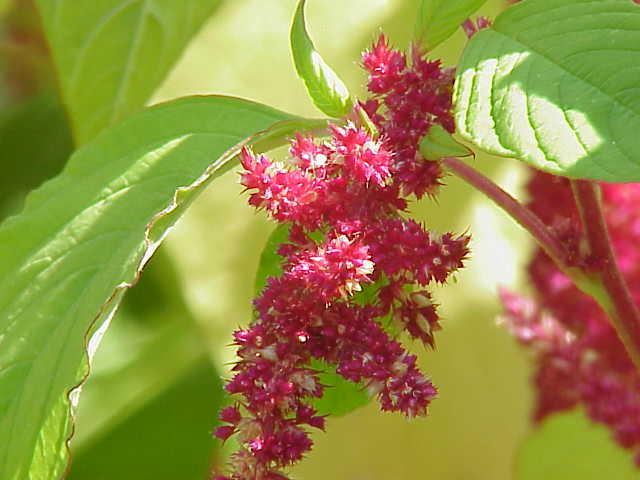 AmaranthAmaranthus
A tall, colourful plant grown for its flowers, leaves and edible seeds
🇲🇽 Mexico and 7 more · Wildflower
AmaranthAmaranthus
A tall, colourful plant grown for its flowers, leaves and edible seeds
🇲🇽 Mexico and 7 more · Wildflower
 Acacia
Shrubs and trees with golden or cream puffball flowers, native mostly to Australia
🇦🇺 Australia and 6 more · Wildflower
Acacia
Shrubs and trees with golden or cream puffball flowers, native mostly to Australia
🇦🇺 Australia and 6 more · Wildflower
 Sensitive PlantMimosa pudica
A touch-sensitive plant whose leaves fold up when disturbed
🇧🇷 Brazil and 8 more · Wildflower
Sensitive PlantMimosa pudica
A touch-sensitive plant whose leaves fold up when disturbed
🇧🇷 Brazil and 8 more · Wildflower